
Catalogue Search | MBRL


Are you sure you want to remove the book from the shelf?

{{itemTitle}}
2
result(s) for
"Harsch, Ernest, author"
Sort by:

Burkina Faso : a history of power, protest and revolution
\"In October 2014, huge protests across Burkina Faso succeeded in overthrowing the long-entrenched regime of their authoritarian ruler, Blasie Compaorâe. Defying all expectations, this popular movement went on to defeat an attempted coup by the old regime, making it possible for a transitional government to organize free and fair elections the following year. In doing so, the people of the previously obscure West African nation surprised the world, and their struggle stands as one of the few instances of a popular democratic uprising succeeding in postcolonial sub-Saharan Africa...\"--Back cover.
Book
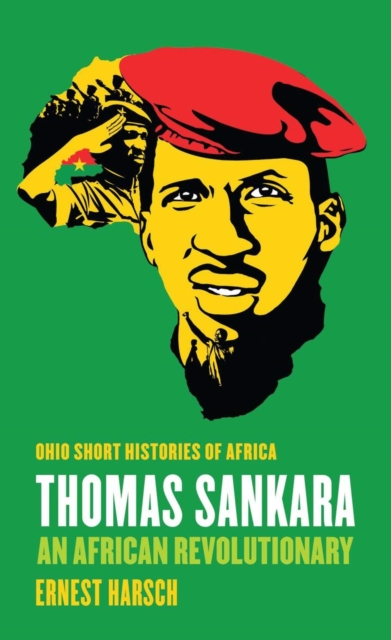
Thomas Sankara
Thomas Sankara, often called the African Che Guevara, was president of Burkina Faso, one of the poorest countries in Africa, until his assassination during the military coup that brought down his government. Although his tenure in office was relatively short, Sankara left an indelible mark on his country's history and development. An avowed Marxist, he outspokenly asserted his country's independence from France and other Western powers while at the same time seeking to build a genuine pan-African unity. Ernest Harsch traces Sankara's life from his student days to his recruitment into the military, early political awakening, and increasing dismay with his country's extreme poverty and political corruption. As he rose to higher leadership positions, he used those offices to mobilize people for change and to counter the influence of the old, corrupt elites. Sankara and his colleagues initiated economic and social policies that shifted away from dependence on foreign aid and toward a greater use of the country's own resources to build schools, health clinics, and public works. Although Sankara's sweeping vision and practical reforms won him admirers both in Burkina Faso and across Africa, a combination of domestic opposition groups and factions within his own government and the army finally led to his assassination in 1987. This is the first English-language book to tell the story of Sankara's life and struggles, drawing on the author's extensive firsthand research and reporting on Burkina Faso, including interviews with the late leader. Decades after his death, Sankara remains an inspiration to young people throughout Africa for his integrity, idealism, and dedication to independence and self-determination.
eBook