
Catalogue Search | MBRL


Are you sure you want to remove the book from the shelf?

{{itemTitle}}
152
result(s) for
"Hass, Peter"
Sort by:

Poetry and terror : politics and poetics in Coming to Jakarta
\"The book explores, in interview format, issues raised but not fully explored by Scott's poem Coming to Jakarta on the 1965 Indonesian massacre. In addition, Scott reflects on ways that poetry can serve as a non-violent higher politics, contributing to the evolution of human culture and thus our \"second nature.\" --Provided by publisher.
BOOK

Imaging-based target volume reduction in chemoradiotherapy for locally advanced non-small-cell lung cancer (PET-Plan): a multicentre, open-label, randomised, controlled trial
With increasingly precise radiotherapy and advanced medical imaging, the concept of radiotherapy target volume planning might be redefined with the aim of improving outcomes. We aimed to investigate whether target volume reduction is feasible and effective compared with conventional planning in the context of radical chemoradiotherapy for patients with locally advanced non-small-cell lung cancer.
We did a multicentre, open-label, randomised, controlled trial (PET-Plan; ARO-2009-09) in 24 centres in Austria, Germany, and Switzerland. Previously untreated patients (aged older than 18 years) with inoperable locally advanced non-small-cell lung cancer suitable for chemoradiotherapy and an Eastern Cooperative Oncology Group performance status of less than 3 were included. Undergoing 18F-fluorodeoxyglucose (18F-FDG) PET and CT for treatment planning, patients were randomly assigned (1:1) using a random number generator and block sizes between four and six to target volume delineation informed by 18F-FDG PET and CT plus elective nodal irradiation (conventional target group) or target volumes informed by PET alone (18F-FDG PET-based target group). Randomisation was stratified by centre and Union for International Cancer Control stage. In both groups, dose-escalated radiotherapy (60–74 Gy, 2 Gy per fraction) was planned to the respective target volumes and applied with concurrent platinum-based chemotherapy. The primary endpoint was time to locoregional progression from randomisation with the objective to test non-inferiority of 18F-FDG PET-based planning with a prespecified hazard ratio (HR) margin of 1·25. The per-protocol set was included in the primary analysis. The safety set included all patients receiving any study-specific treatment. Patients and study staff were not masked to treatment assignment. This study is registered with ClinicalTrials.gov, NCT00697333.
From May 13, 2009, to Dec 5, 2016, 205 of 311 recruited patients were randomly assigned to the conventional target group (n=99) or the 18F-FDG PET-based target group (n=106; the intention-to-treat set), and 172 patients were treated per protocol (84 patients in the conventional target group and 88 in the 18F-FDG PET-based target group). At a median follow-up of 29 months (IQR 9–54), the risk of locoregional progression in the 18F-FDG PET-based target group was non-inferior to, and in fact lower than, that in the conventional target group in the per-protocol set (14% [95% CI 5–21] vs 29% [17–38] at 1 year; HR 0·57 [95% CI 0·30–1·06]). The risk of locoregional progression in the 18F-FDG PET-based target group was also non-inferior to that in the conventional target group in the intention-to-treat set (17% [95% CI 9–24] vs 30% [20–39] at 1 year; HR 0·64 [95% CI 0·37–1·10]). The most common acute grade 3 or worse toxicity was oesophagitis or dysphagia (16 [16%] of 99 patients in the conventional target group vs 17 [16%] of 105 patients in the 18F-FDG PET-based target group); the most common late toxicities were lung-related (12 [12%] vs 11 [10%]). 20 deaths potentially related to study treatment were reported (seven vs 13).
18F-FDG PET-based planning could potentially improve local control and does not seem to increase toxicity in patients with chemoradiotherapy-treated locally advanced non-small-cell lung cancer. Imaging-based target volume reduction in this setting is, therefore, feasible, and could potentially be considered standard of care. The procedures established might also support imaging-based target volume reduction concepts for other tumours.
German Cancer Aid (Deutsche Krebshilfe).
Journal Article
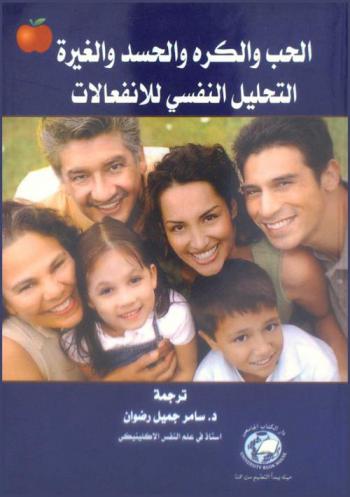
الحب والكره والحسد والغيرة : التحليل النفسي للانفعالات
يتناول الكتاب حيث يدور الموضوع هنا حول الانفعالات والمشاعر والوجدان، حول العلاقة المعقدة بين الانفعالات والأخلاق والمنطق، حول الحب والشهوة وحول الحب بوصفه جدل انفعالي، حول الكره والحنق والغيظ والغضب والانتقام والحسد والغيرة، بمقدار ما ترتبط أفكارنا بالطمع والجشع والسيطرة والجاه، والأمل بانفعالات جديدة. وحول كل موضوع من هذه المواضيع سوف أعط لمحة عامة حول ما يمكن للعلوم المتفرقة أن تسهم به، وسوف أستند هنا إلى علم النفس والتحليل النفسي والفلسفة.
Book

Prospective Randomized Trial of Enoxaparin, Pentoxifylline and Ursodeoxycholic Acid for Prevention of Radiation-Induced Liver Toxicity
Targeted radiotherapy of liver malignancies has found to be effective in selected patients. A key limiting factor of these therapies is the relatively low tolerance of the liver parenchyma to radiation. We sought to assess the preventive effects of a combined regimen of pentoxifylline (PTX), ursodeoxycholic acid (UDCA) and low-dose low molecular weight heparin (LMWH) on focal radiation-induced liver injury (fRILI).
Patients with liver metastases from colorectal carcinoma who were scheduled for local ablation by radiotherapy (image-guided high-dose-rate interstitial brachytherapy) were prospectively randomized to receive PTX, UDCA and LMWH for 8 weeks (treatment) or no medication (control). Focal RILI at follow-up was assessed using functional hepatobiliary magnetic resonance imaging (MRI). A minimal threshold dose, i.e. the dose to which the outer rim of the fRILI was formerly exposed to, was quantified by merging MRI and dosimetry data.
Results from an intended interim-analysis made a premature termination necessary. Twenty-two patients were included in the per-protocol analysis. Minimal mean hepatic threshold dose 6 weeks after radiotherapy (primary endpoint) was significantly higher in the study treatment-group compared with the control (19.1 Gy versus 14.6 Gy, p = 0.011). Qualitative evidence of fRILI by MRI at 6 weeks was observed in 45.5% of patients in the treatment versus 90.9% of the control group. No significant differences between the groups were observed at the 12-week follow-up.
The post-therapeutic application of PTX, UDCA and low-dose LMWH significantly reduced the extent and incidence fRILI at 6 weeks after radiotherapy. The development of subsequent fRILI at 12 weeks (4 weeks after cessation of PTX, UDCA and LMWH during weeks 1-8) in the treatment group was comparable to the control group thus supporting the observation that the agents mitigated fRILI.
EU clinical trials register 2008-002985-70 ClinicalTrials.gov NCT01149304.
Journal Article

Local ablation or radioembolization of colorectal cancer metastases: comorbidities or older age do not affect overall survival
Background
Local ablative techniques are emerging in patients with oligometastatic disease from colorectal carcinoma, commonly described as less invasive than surgical methods. This single arm cohort seeks to determine whether such methods are suitable in patients with comorbidities or higher age.
Methods
Two hundred sixty-six patients received radiofrequency ablation (RFA), CT-guided high-dose rate brachytherapy (HDR-BT) or Y90-radioembolization (Y90-RE) during treatment of metastatic colorectal cancer (mCRC). This cohort comprised of patients with heterogenous disease stages from single liver lesions to multiple organ systems involvement commonly following multiple chemotherapy lines. Data was reviewed retrospectively for patient demographics, previous therapies, initial or disease stages at first intervention, comorbidities and mortality. Comorbidity was measured using the Charlson Comorbidity Index (CCI) and age-adjusted Charlson Index (CACI) excluding mCRC as the index disease. Kaplan-Meier survival analysis and Cox regression were used for statistical analysis.
Results
Overall median survival of 266 patients was 14 months. Age ≥ 70 years did not influence survival after local therapies. Similarly, CCI or CACI did not affect the patients prognoses in multivariate analyses. Moderate or severe renal insufficiency (
n
= 12;
p
= 0.005) was the only single comorbidity identified to negatively affect the outcome after local therapy.
Conclusion
Interventional procedures for mCRC may be performed safely even in elderly and comorbid patients. In severe renal insufficiency, the use of invasive techniques should be limited to selected cases.
Journal Article

Treatment of metastatic gastric adenocarcinoma with image-guided high-dose rate, interstitial brachytherapy as second-line or salvage therapy
PURPOSE We aimed to evaluate the safety and effectiveness of image-guided high-dose rate interstitial brachytherapy (iBT) for the treatment of patients with hepatic, lymphatic, and pancreatic metastases originating from gastric cancer, an entity rarely surgically treatable with curative intent. METHODS Twelve patients with a cumulative number of 36 metastases (29 liver, 2 pancreatic, 5 lymph node) from histologically proven gastric adenocarcinoma received iBT between 2010 and 2016 and were retrospectively analyzed. Every patient underwent palliative chemotherapy prior to iBT. The iBT procedure employs a temporarily, intratumorally placed iridium-192 source in a single fraction with the goal of tumor cell eradication. Effectiveness was assessed clinically and by radiologic imaging every three months. RESULTS Local tumor control was achieved in 32 of all treated metastases (89%). Four lesions showed a local recurrence after 7 months. Lesion sizes varied from 9 to 102 mm with a median of 20 mm. The median progression-free survival was 6.6 months (range, 1.8–46.8 months). The median overall survival was 11.4 months (range, 5–47 months). One patient suffered a major complication following iBT, hepatic hematoma and abscess (Common Terminology Criteria for Adverse Events grade 3), successfully dealt with by transcutaneous drainage. CONCLUSION iBT is an overall safe procedure, which facilitates high rates of local tumor control in treatment of metastatic gastric adenocarcinoma. Compared with surgical metastasectomy, similar overall survival rates could be achieved in our patient collective after iBT application.
Journal Article

Sarcopenia does not limit overall survival after interstitial brachytherapy for breast cancer liver metastases
Purpose Sarcopenia has been identified as a prognostic marker of clinical outcomes in several diseases. However, the influence of sarcopenia on non-surgical local treatments in breast cancer liver metastases (BCLM) is unknown. Therefore, the purpose of this study was to assess the effect of sarcopenia among patients with BCLM undergoing interstitial brachytherapy (iBT). Aim of the study was to evaluate the influence of baseline computed tomography (CT) psoas body composition parameters, including psoas muscle area (PMA), psoas muscle index (PMI), muscle density, and skeletal muscle gauge (SMG) on clinical variables in patients undergoing image-guided iBT. Material and methods Computed tomography scans of patients undergoing iBT for BCLM from 2006-2017 were retrospectively analyzed. PMA, PMI, and SMG were measured on pre-treatment CT scans. Parameters were associated with overall survival using logistic regression analysis. Results Sixty patients were included in the analysis. 27 patients (45%) were considered sarcopenic. Median overall survival was 27 months (SD = 4.0 months). In univariate analysis, neither PMA (HR = 0.956, 95% CI: 0.855-1.068, p = 0.423), average density (HR = 1.028, 95% CI: 0.985-1.072, p = 0.207), PMI (HR = 0.951, 95% CI: 0.701-1.290, p = 0.746), nor SMG (HR = 1.002, 95% CI: 0.998-1.006, p = 0.440) were associated with overall survival. There was no influence of sarcopenia on OS (HR = 0.975, 95% CI: 0.532-1.787, p = 0.934). Conclusions Sarcopenia does not predict overall survival in patients undergoing iBT for BCLM. Interstitial BT may therefore be a suggested treatment option in sarcopenic patients with BCLM eligible for local ablation.
Journal Article

Functional and mutational analysis after radiation and cetuximab treatment on prostate carcinoma cell line DU145
Background
Epidermal Growth Factor Receptor is often overexpressed in advanced prostate carcinoma. In-vitro-studies in prostate carcinoma cell line DU145 have demonstrated increased sensibility to radiation after cetuximab treatment, but clinical data are not sufficient to date.
Methods
We analyzed effects of radiation and cetuximab in DU145 and A431 using proliferation, colony-forming-unit- and annexin-V-apoptosis-assays. Changes in protein expression of pEGFR and pERK1/2 after radiation and cetuximab treatment were analyzed. Using NGS we also investigated the impact of cetuximab long-term treatment.
Results
Cell counts in DU145 were reduced by 44% after 4 Gy (
p
= 0.006) and 55% after 4 Gy and cetuximab (
p
< 0.001)
.
The surviving fraction (SF) was 0.69 after 2 Gy, 0.41 after 4 Gy and 0.15 after 6 Gy (each
p
< 0.001). Cetuximab treatment did not alter significantly growth reduction in 4 Gy radiated DU145 cells,
p
> 0.05 or SF,
p
> 0.05, but minor effects on apoptotic cell fraction in DU145 were detected. Using western blot, there were no detectable pEGFR and pERK1/2 protein signals after cetuximab treatment. No RAS mutation or HER2 amplification was detected, however a TP53 gen-mutation c.820G > T was found.
Conclusions
Radiation inhibits cell-proliferation and colony-growth and induces apoptosis in DU145. Despite blocking MAP-Kinase-pathway using cetuximab, no significant radiation-sensitizing-effect was detected. Cetuximab treatment did not induce resistance-mutations. Further research must clarify which combination of anti-EGFR treatment strategies can increase radiation-sensitizing-effects.
Journal Article
Needle track seeding in colorectal carcinoma after local ablation by high-dose-rate brachytherapy: a retrospective study of 1,107 catheter placements
Image-guided brachytherapy with a single-fraction irradiation (high-dose-rate brachytherapy - HDR-BT) is a promising local ablation technique for unresectable liver metastases. The occurrence of needle track seeding after biopsy and microwave ablation (MWA) has been documented primarily in hepatocellular carcinoma (HCC). Comprehensive data on colorectal metastases and treatment with HDR-BT is missing. The aim of this study was to investigate the incidence of extra- and intra-hepatic track seeding after HDR-BT in patients with colorectal metastases of the liver, and the identification of possible risk factors.
Patients with at least one treatment of HDR-BT were included. Two readers identified possible track seeding after at least 3 months of follow-up. For verification, we used image fusion of CT/MRI images from 3D irradiation plan and follow-up. Intra- and extra-hepatic seeding were included. As possible risk factors, demographics, tumor grading, and aspects of catheter placement were identified, and generalized linear mixed model for evaluation was applied.
On total, 138 patients were included in the study (85 males). We treated 472 liver lesions with 1,107 catheter placements. Sixteen needle track lesions were identified with a catheter-based risk of 1.5% and patient-based risk of 10.9% during a median follow-up of 543 days. Extra-hepatic track seeding (patient-based risk of 1.4%) was found in two patients only. Possible risk factors were tumor grading (
= 0.01) and using MRI-guidance (
= 0.02). There was also a correlation with a high number of interventions per patient (
= 0.009) and number of treated lesions (
= 0.04).
Brachytherapy for treatment of colorectal metastases is associated with a similar risk for extra-hepatic track seeding compared to radio-frequency ablation (RFA). Intra-hepatic seeding, which has not been studied extensively before, occurs more often with seeding frequency comparable to biopsy of colorectal metastases. Possible risk factors could be tumor grading and using MRI-guidance.
Journal Article
Radiation exposure to the kidney with interstitial iridium-192 high-dose-rate brachytherapy: Extent and rare morphologic changes of radiation nephropathy
We sought to investigate functional parameters and morphologic changes of the renal parenchyma after treatment with image-guided brachytherapy using single-fraction irradiation (high-dose-rate brachytherapy - HDR-BT) of primary kidney lesions, and primary and secondary lesions of the liver, lymph node, and adrenal gland close to renal structures.
Patients ineligible for surgery were included. We prospectively investigated renal function loss within one year
renal scintigraphy and laboratory parameters (KDOQI stage). Radiation exposure to the kidney was measured by volume receiving 5 Gy (V
). We observed morphologic changes on CT or MRI, with follow-up every three months.
In total, 35 patients were included (21 males, 14 females). Eight patients were treated for extra-renal malignancies. The mean V
of the ipsilateral kidney was 70.0 ±42.4 ml equaling to 44.9% parenchymal volume. After renal treatment, V
renal volume was 77.8 ±42.2 ml (48.7%) compared with 44.0 ±33.0 ml (32.0%) after extra-renal treatment. No significant reduction in KDOQI stage after 12 months of follow-up were found. Three patients developed morphologic changes in the renal parenchyma, with only one showing a decrease in renal function after 12 months.
CT-guided HDR-BT is a viable treatment modality for local ablative treatment of renal and adjacent masses, with no significant reduction of the KDOQI stage as a predictor for complications of chronic kidney disease. However, larger cohorts need to be analyzed to identify vulnerable patients, as in rare cases, plain dosimetry seems insufficient to predict renal function loss after HDR-BT.
Journal Article