
Catalogue Search | MBRL


Are you sure you want to remove the book from the shelf?

{{itemTitle}}
26,577
result(s) for
"He, Sha"
Sort by:
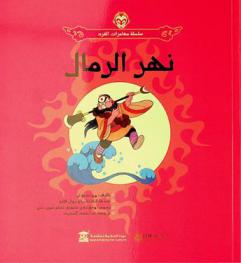
نهر الرمال
لم يستطع سان تسانغ ومعه وو كونغ وبا جيه إكمال رحلتهم إلى الغرب بسبب نهر الرمال المتحركة الذي اعترض طريقهم، وكان يعيش في النهر شيطان له «عقد» ضخم مكون من تسع جماجم أراد التهام الراهب سان تسانغ فخاض با جيه قتالا عنيفا مع الشيطان ولكنه لم يهزمه وحين هاجمه القرد بعصاه الحديدية فر الشيطان هاربا إلى قاع النهر ولم يجرؤ على الخروج فنزل با جيه في النهر وحاول استدراج الشيطان إلى الشاطئ ليقبض عليه القرد، لكن الشيطان حين رأى القرد غاص في قاع النهر، فلجأ القرد إلى قوان بن طلبا للمساعدة، لكن اتضح أن قوان بن أثارت الشيطان وأمرته باتباع سان تسانغ فأرسلت مساعدها مو تشا لمساعدتهم وبعد أن عرف الشيطان أن سان تسانغ هو راهب تانغ، وافق على أن يصبح تلميذه الثالث، وأطلق عليه سان تسانغ : «الراهب شا» ثم استخدم مو : ثم استخدم مو تشا القرع الأحمر الذي أعطته له قوان ين، ووضعه على عقد الجماجم وحولهما إلى قارب واستطاع سان تسانغ مع تلاميذه الثلاثة عبور النهر ومواصلة رحلتهم.
Book

A discrete stochastic model of the COVID-19 outbreak: Forecast and control
The novel Coronavirus (COVID-19) is spreading and has caused a large-scale infection in China since December 2019. This has led to a significant impact on the lives and economy in China and other countries. Here we develop a discrete-time stochastic epidemic model with binomial distributions to study the transmission of the disease. Model parameters are estimated on the basis of fitting to newly reported data from January 11 to February 13, 2020 in China. The estimates of the contact rate and the effective reproductive number support the efficiency of the control measures that have been implemented so far. Simulations show the newly confirmed cases will continue to decline and the total confirmed cases will reach the peak around the end of February of 2020 under the current control measures. The impact of the timing of returning to work is also evaluated on the disease transmission given different strength of protection and control measures.
Journal Article

Nexus between energy efficiency, green investment, urbanization and environmental quality: Evidence from MENA region
Environmental protection holds a paramount position in the pursuit of sustainable development. The existing body of literature has extensively examined various driving forces for environmental enhancement, including renewable energy sources, innovation, and governmental interventions. This study aims to assess the impact of green investment, energy efficiency, and urbanization on achieving environmental sustainability in the MENA region during the period 2004–2019. A comprehensive set of econometric tools has been employed to achieve this goal, including the CADF and CIPS panel unit root tests, error correction-based panel cointegration analysis, Cross-sectional ARDL, and asymmetric ARDL models. The key findings of this research are as follows: Cross-sectional dependency and homogeneity tests demonstrated that the research units shared common dynamics and heterogeneity properties. The stationarity tests based on CIPS and CADF indicated that all variables became stationary after the first differencing. The panel cointegration analysis established a long-term relationship between green investment (GI), energy efficiency (EE), urbanization (UR), and environmental sustainability (ES) in MENA nations. Empirical model estimations using Cross-sectional ARDL revealed significant contributions of GI, EE, and UR to ES in the long and short run. The asymmetry assessment uncovered a nonlinear relationship between the explanatory and dependent variables, both in the long and short run. Specifically, the asymmetric coefficients of GI, EE, and UR displayed negative statistical significance at the 1% level, highlighting their significant roles in promoting environmental sustainability. In light of these findings, this study provides valuable insights for policymakers to formulate strategies to further environmental sustainability in the MENA region.
Journal Article

Nasopharyngeal necrosis following intensity-modulated radiation therapy of primary nasopharyngeal carcinoma—incidence rate and predictors of risk
Objectives
This study aimed to investigate the incidence of post radiation nasopharyngeal necrosis (PRNN) in primary NPC after intensity modulated radiation therapy (IMRT) and identify the predictors of risk.
Methods
Data of 5798 NPC patients who received IMRT-based treatment between April 2009 and December 2015 were retrospectively reviewed. PRNN was diagnosed by MRI or nasopharyngoscopy. Dosimetric factors were selected by the least absolute shrinkage and selection operator logistic regression and applied to Cox proportional hazards modeling with clinical predictors.
Results
Among the 5798 patients, 53 developed PRNN—an incidence rate of 0.89%. Age > 55 years, diabetes, LDH > 170 U/L, and tumor volume of nasopharynx > 60.5 cm
3
,were independently associated with risk of PRNN(all
p
< 0.05. Dosimetric analysis showed that D
0.5cc
EQD2
of 80.20 Gy might be the dose constraint for nasopharynx (sensitivity = 62.3%, 33 out of 53; specificity = 84.2%, 4897 out of 5925). Besides, the RTOG dose constraints of V
110%
(V
77.0
) should be less than 0.2% in case of increasing risk of PRNN(HR = 2.28, 95% CI: 1.26–4.41,
p =
0. 01).
Conclusion
Nasopharyngeal necrosis is rare after primary IMRT. The independent risk factors for this rare complication include age > 55 years, diabetes mellitus, LDH > 170 U/L, tumor volume of nasopharynx > 60.5 cm
3
, D
0.5cc
EQD2
> 80.20 Gy, and V
77.0
< 0.2% to the planning treatment volume of nasopharynx.
Keypoints
High radiation dose may lead to devastating nasopharyngeal necrosis after primary IMRT. Real world analysis will provide valuable information for prevention.
Findings
The aged, diabetes mellitus, large tumor volume, D
0.5cc
EQD2
> 80.20 Gy and V
77.0
< 0.2% to planning treatment volume increased the risk of nasopharyngeal necrosis.
Clinical relevance
This real-world study provided valuable information for prevention of PRNN. Compared with RTOG protocol, D
0.5cc
EQD2
> 80.20 Gy is a reliable evidence-based new complement to dose constraint, especially for T3-4 disease, who received high prescribe dose in China.
Journal Article
Comparison of the seventh and eighth editions of the UICC/AJCC staging system for nasopharyngeal carcinoma: analysis of 1317 patients treated with intensity-modulated radiotherapy at two centers
Background
In the intensity-modulated radiotherapy (IMRT) era, great improvement has been made in survival of nasopharyngeal carcinoma (NPC). The 7th edition of the International Union against Cancer/American Joint Committee on Cancer (UICC/AJCC) staging system seems “outdated ” as it mainly based on the study in 2D/3D era, and thus the 8th edition has made some amendments according to recent studies. We aimed to compare and evaluate these two editions of staging system for NPC in patients treated with intensity-modulated radiotherapy.
Methods
A total of 1317 patients with biopsy-proven, non-metastatic NPC treated with IMRT between 2009 and 2014 at two institutions were retrospectively assessed. All patients were assessed by magnetic resonance imaging and restaged according to the 7th and 8th editions. Prognostic factors for local relapse-free survival (LRFS), distant metastasis-free survival (DMFS), disease-free survival (DFS) and overall survival (OS) were assessed and compared using the Kaplan-Meier method and log-rank test. The Cox proportional hazards model was also used to calculate the hazard ratio (HR).
Results
In both 7th and 8th edition, insignificant difference could be observed between T2 and T3 disease, T2 and T4 disease (all
P
> 0.05) for LRFS, while the difference of LRFS between T3 and T4 disease was significant in the previous edition (
P
= 0.001) but insignificant (
P
= 0.279) after revision. For OS, highly similar survival curve could be seen between T2 and T3 disease in both edition (all
P
> 0.1). DMFS and OS were not significantly different between N3a and N1-3b categories of the 7th edition (all
P
> 0.05). In contrast, obvious segregation was observed between N3 and the other N categories after the revision and combination in the 8th edition (all
P
< 0.05). DFS and OS were not significantly different between stage IVA and IVB of the 7th edition (
P
= 0.057 and
P
= 0.365, respectively); therefore, combining these stages in the 8th edition was reasonable.
Conclusion
The overall stages and N categories of the 8th edition of the UICC/AJCC staging system provide better segregation of survival outcomes than the 7th edition. The 8th edition is also more clinically applicable as it has reduced ambiguity and revised out-of-date definitions. However, the T categories need further optimizing as the 8th edition failed to solve the problem of similar survival between adjacent T-classification, which has been exited since 7th edition.
Journal Article

A modeling study on the critical sensitivity of epidemic peaks and final size to marginal changes in non-pharmaceutical intervention efficacy
During the COVID-19 pandemic in China, non-pharmaceutical interventions (NPIs) have been changed from the containment to the dynamic zero-case policy (DZCP) to achieve the goal of zero COVID in approximately 40 days, and then to reopening. Epidemic characteristic metrics are similar for multiple outbreaks but with markedly different peak values, timings and final sizes. In order to quantify the sensitivity of epidemic dynamics to the effectiveness of NPIs, and to guide intervention strategies for future outbreaks the data-driven modeling approach is adapted. In particular, to examine to which process or which parameter is sensitive, we used analytic techniques to identify and analyze major changes in epidemiological indices caused by small changes in characteristic metrics. By comparing basic statistics for 80 outbreaks induced by three different strains, we show that the controlled epidemic trajectories of COVID-19 epidemics depend entirely on the efficacy of NPIs: the infectivity of a strain has little relevance, even for the most infectious strains. Thus, minor changes in the strength of NPIs will lead to huge differences in epidemiological indicators such as outbreak peak value and outbreak clearing time.
Journal Article

The sequence, structure and evolutionary features of HOTAIR in mammals
Background
An increasing number of long noncoding RNAs (lncRNAs) have been identified recently. Different from all the others that function
in cis
to regulate local gene expression, the newly identified HOTAIR is located between HoxC11 and HoxC12 in the human genome and regulates HoxD expression in multiple tissues. Like the well-characterised lncRNA Xist, HOTAIR binds to polycomb proteins to methylate histones at multiple HoxD loci, but unlike Xist, many details of its structure and function, as well as the
trans
regulation, remain unclear. Moreover, HOTAIR is involved in the aberrant regulation of gene expression in cancer.
Results
To identify conserved domains in HOTAIR and study the phylogenetic distribution of this lncRNA, we searched the genomes of 10 mammalian and 3 non-mammalian vertebrates for matches to its 6 exons and the two conserved domains within the 1800 bp exon6 using Infernal. There was just one high-scoring hit for each mammal, but many low-scoring hits were found in both mammals and non-mammalian vertebrates. These hits and their flanking genes in four placental mammals and platypus were examined to determine whether HOTAIR contained elements shared by other lncRNAs. Several of the hits were within unknown transcripts or ncRNAs, many were within introns of, or antisense to, protein-coding genes, and conservation of the flanking genes was observed only between human and chimpanzee. Phylogenetic analysis revealed discrete evolutionary dynamics for orthologous sequences of HOTAIR exons. Exon1 at the 5' end and a domain in exon6 near the 3' end, which contain domains that bind to multiple proteins, have evolved faster in primates than in other mammals. Structures were predicted for exon1, two domains of exon6 and the full HOTAIR sequence. The sequence and structure of two fragments, in exon1 and the domain B of exon6 respectively, were identified to robustly occur in predicted structures of exon1, domain B of exon6 and the full HOTAIR in mammals.
Conclusions
HOTAIR exists in mammals, has poorly conserved sequences and considerably conserved structures, and has evolved faster than nearby HoxC genes. Exons of HOTAIR show distinct evolutionary features, and a 239 bp domain in the 1804 bp exon6 is especially conserved. These features, together with the absence of some exons and sequences in mouse, rat and kangaroo, suggest
ab initio
generation of HOTAIR in marsupials. Structure prediction identifies two fragments in the 5' end exon1 and the 3' end domain B of exon6, with sequence and structure invariably occurring in various predicted structures of exon1, the domain B of exon6 and the full HOTAIR.
Journal Article

Research on Factor Coupling of Industrialization of Oil and Gas Scientific and Technological Achievements
This paper presents the relationship between the factors of the industrialization of oil and gas scientific and technological achievements. These have established the internal coupling model and the external coupling model among the factors of the industrialization of oil and gas scientific and technological achievements. As revealed in the process of the industrialization of oil and gas scientific and technological achievements, there is a mutual influence between the factors. The actual data is used to simulate the internal coupling and the coupling between the factors of the industrialization of oil and gas scientific and technological achievements. The results show that the degree of the internal coupling and the coupling between the factors changes from coupling dissonance to a coordination state, indicating that the coupling of the factors of the industrialization of oil and gas scientific and technological achievements are enhanced. Results are presented the degree of internal coupling and coupling coordination of each factor basically changed from coupling dissonance to coordination state, indicating that the coupling of the elements in the industrialization of oil and gas scientific and technological achievements is synergistic. In conclusion, attention was drawn to strengthen the interaction between the subject of the industrialization of oil and gas scientific and technological achievements, integrate the industrialization resources of oil and gas scientific and technological achievements, improve the environment for the industrialization of oil and gas scientific and technological achievements, and improve the management system for the industrialization of oil and gas scientific and technological achievements, which can promote the development of the industrialization of oil and gas scientific and technological achievements.
Journal Article

The β-catenin/TCF-4-LINC01278-miR-1258-Smad2/3 axis promotes hepatocellular carcinoma metastasis
Hepatocellular carcinoma (HCC) metastasis is largely responsible for HCC-associated recurrence and mortality. We aimed to identify metastasis-related long non-coding RNAs (lncRNAs) to understand the molecular mechanism of HCC metastasis. We first identified that miR-1258 was downregulated in HCC tissues both in The Cancer Genome Atlas (TCGA) and Sun Yat-sen University Cancer Center (SYSUCC) dataset. MiR-1258 expression negatively correlated with recurrence-free survival and overall survival of HCC patients. MiR-1258 overexpression inhibited migration and invasion of HCC cells both in vitro and in vivo, whereas miR-1258 downregulation promoted cell metastasis. Luciferase assays verified direct binding of miR-1258 to Smad2 and Smad3, thereby attenuating TGF-β/Smad signaling. We further established that lncRNA LINC01278 was a negative regulator of miR-1258. In vivo and in vitro assays demonstrated that LINC01278-mediated HCC metastasis was dependent on miR-1258 expression. Furthermore, miR-1258 downregulation in turn increased LINC01278 expression. We also observed that TCF-4 could bind to the LINC01278 promoter site. In addition, LINC01278 downregulation decreased migration and invasion of HCC cells induced by β-catenin and TGF-β1 both in vitro and in vivo. We uncovered a novel mechanism for β-catenin/TCF-4-LINC01278-miR-1258-Smad2/3 feedback loop activation in HCC metastasis, and the study indicated that LINC01278 could serve as a therapeutic target for HCC metastasis.
Journal Article

Natural flavonoids derived from herbal medicines are potential anti-atherogenic agents by inhibiting oxidative stress in endothelial cells
As the common pathological basis of various cardiovascular diseases, the morbidity and mortality of atherosclerosis (AS) have increased in recent years. Unfortunately, there are still many problems in the treatment of AS, and the prevention and treatment of the disease is not ideal. Up to now, the occurrence and development of AS can roughly include endothelial cell dysfunction, vascular smooth muscle cell proliferation, inflammation, foam cell production, and neoangiogenesis. Among them, endothelial dysfunction, as an early event of AS, plays a particularly important role in promoting the development of AS. In addition, oxidative stress occurs throughout the causes of endothelial dysfunction. Some previous studies have shown that flavonoids derived from herbal medicines are typical secondary metabolites. Due to its structural presence of multiple active hydroxyl groups, it is able to exert antioxidant activity in diseases. Therefore, in this review, we will search PubMed, Web of Science, Elesvier, Wliey, Springer for relevant literature, focusing on flavonoids extracted from herbal medicines, and summarizing how they can prevent endothelial dysfunction by inhibiting oxidative stress. Meanwhile, in our study, we found that flavonoid represented by quercetin and naringenin showed superior protective effects both in vivo and in vitro , suggesting the potential of flavonoid compounds in the treatment of AS.
Journal Article