
Catalogue Search | MBRL


Are you sure you want to remove the book from the shelf?

{{itemTitle}}
2
result(s) for
"Hensley, Cordell, author"
Sort by:

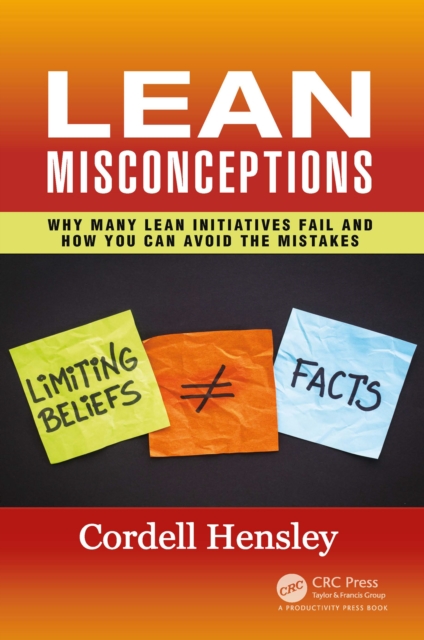
Lean Misconceptions
It has been reported that about 70% of performance-improvement initiatives fail to achieve desired results. The primary causes are unrealistic expectations regarding effort and results and too much focus on short-term improvements instead of long-term capability building. Too many consultants and organizations stress the tools and the results they can achieve without considering the long-term implications. Success relies on focusing on both short-term gains and long-term culture change - That is, using the tools as the mechanism for change versus the objective of the change.
Lean Misconceptions: Why Many Lean Initiatives Fail and How You Can Avoid the Mistakes focuses on continuous improvement as well as the tools organizations can use to achieve long-term growth. Readers will gain new knowledge while also challenging their peers, seniors, subordinates, and their own thinking on Lean.
eBook