
Catalogue Search | MBRL


Are you sure you want to remove the book from the shelf?

{{itemTitle}}
2
result(s) for
"Hoare, Marko Attila, author"
Sort by:

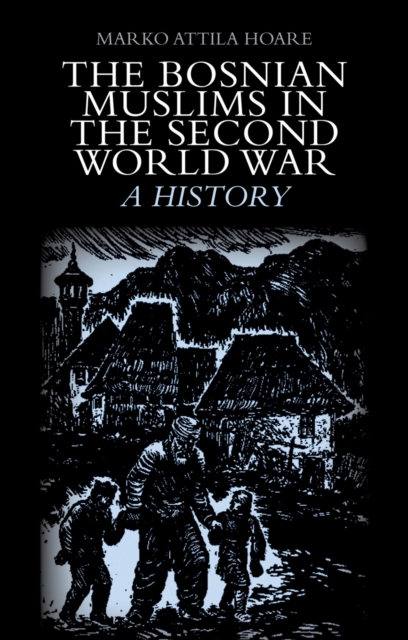
The Bosnian Muslims in the Second World War
The story of the Bosnian Muslims in World War II is an epic frequently alluded to in discussions of the 1990s Balkan conflicts, but almost as frequently misunderstood or falsified. This first comprehensive study of the topic in any language sets the record straight. Based on extensive research in the archives of Bosnia-Hercegovina, Serbia and Croatia, it traces the history of Bosnia and the Muslims from the Nazi German and Fascist Italian occupation of Yugoslavia in 1941, though the years of the Yugoslav civil war, and up to the seizure of power by the Communists and their establishment of a new Yugoslav state. The book explores the reasons for Muslim opposition to the new order established by the Nazis and Fascists in Bosnia in 1941 and the different forms this opposition took. It describes how the Yugoslav Communists were able to harness part of this Muslim opposition to support their own resistance movement and revolutionary bid for power. This Muslim element in the Communists’ revolution shaped its form and outcome, but ultimately had itself to be curbed as the victorious Communists consolidated their dictatorship. In doing so, they set the scene for future struggles over Yugoslavia’s Muslim question.
eBook