
Catalogue Search | MBRL


Are you sure you want to remove the book from the shelf?

{{itemTitle}}
4
result(s) for
"Hogarth, William, 1697-1764"
Sort by:

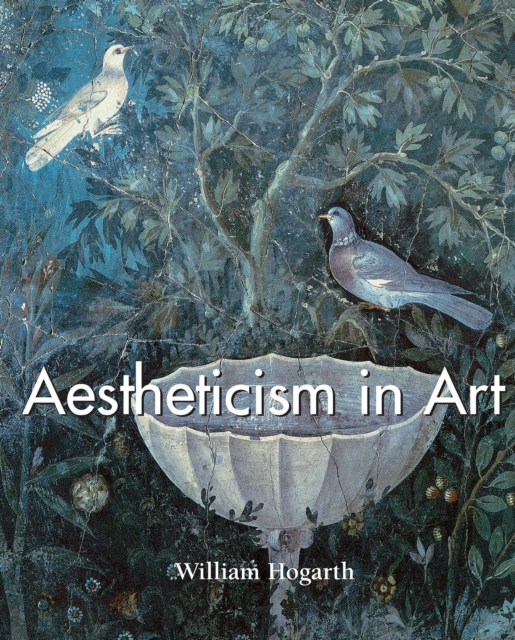
Aestheticism in art
William Hogarth wrote his Analysis of Beauty in 1753, during the Age of Enlightenment. Through this captivating text, he tends to define the notion of beauty in painting and states that it is linked, per se, to the use of the serpentine lines in pictorial compositions. He calls it the line of beauty . His essay is thus dedicated to the study of the composition of paintings, depending on the correct use of the pictorial lines, light, colour, and the figure's attitudes. These timeless concepts have been applied by several artists through the centuries. Paintings from every period have here been.
eBook

OLD ENGLISH MASTERS.--COLE'S NEW SERIES
WHEN George I went to the shades there was little poetry or painting to tell his praises. The masters in verse had passed on; the masters of the brush had not yet arrived. The king had been indifferent to their comings and their goings, for art was not one of his failings. To be sure, painting existed, and court circles for many years had cherished a pseudo-fondness for it...
Magazine Article