
Catalogue Search | MBRL


Are you sure you want to remove the book from the shelf?

{{itemTitle}}
5
result(s) for
"Hong, Fan, editor"
Sort by:

Sport in the Middle East : power, politics, ideology and religion
This collection provides interdisciplinary study of sport in the Middle East in the context of history, politics, policies, gender, religion, ideology and international relations. The chapters examine the role of the Pan-Arab Games in strengthening the bonds of Arab identity in Qatar, the contribution of sport to the building of nationhood and cultural image in Lebanon and Turkey, female involvement in the Olympic movement in Middle Eastern countries, how sport has facilitated the promotion of gender equality and how sport has served the social and cultural transformation of the Islamic world. Study of the role and functions of sport in the Middle East in its historical, political and cultural context is long overdue. Based on recent research conducted by prominent young scholars in this field, this collection will inspire and stimulate the future development of research in the Islamic world.
Book

Diplomatic Games
International sporting events, including the Olympic Games and the FIFA World Cup, have experienced profound growth in popularity and significance since the mid-twentieth century. Sports often facilitate diplomacy, revealing common interests across borders and uniting groups of people who are otherwise divided by history, ethnicity, or politics. In many countries, popular athletes have become diplomatic envoys. Sport is an arena in which international conflict and compromise find expression, yet the impact of sports on foreign relations has not been widely studied by scholars.
In Diplomatic Games, a team of international scholars examines how the nexus of sport and foreign relations has driven political and cultural change since 1945, demonstrating how governments have used athletic competition to maintain and strengthen alliances, promote policies, and increase national prestige. The contributors investigate topics such as China's use of sports to oppose Western imperialism, the ways in which sports helped bring an end to apartheid in South Africa, and the impact of the United States' 1980 Olympic boycott on U.S.-Soviet relations. Bringing together innovative scholarship from around the globe, this groundbreaking collection makes a compelling case for the use of sport as a lens through which to view international relations.
eBook

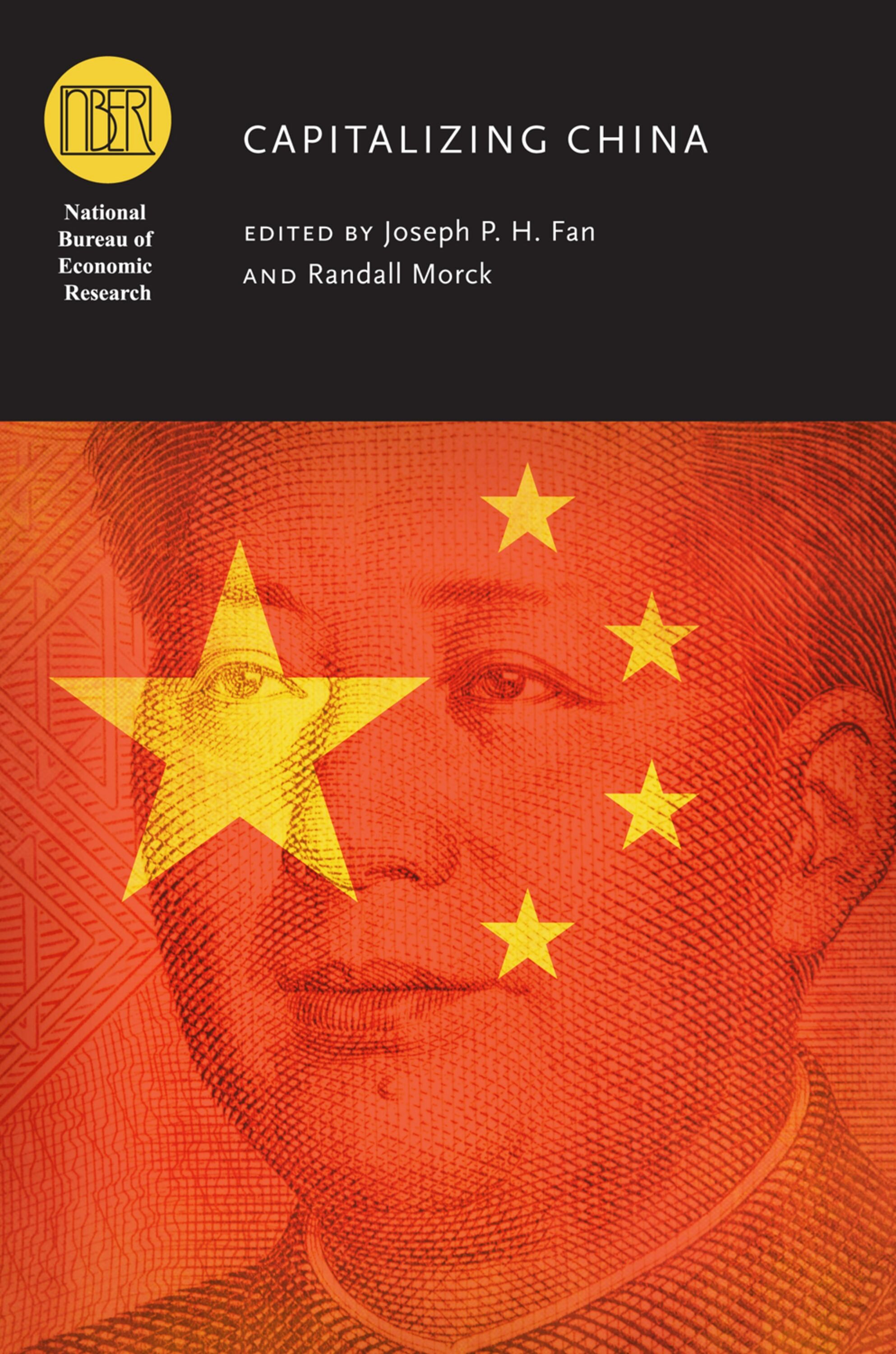
Capitalizing China
China's economic boom over the last two decades has taken many analysts by surprise, given the ongoing role of central government planning. Its current growth trajectory suggests that the size of its economy could soon surpass that of the United States. Some argue that continued growth and the expanding middle class will ultimately exert pressure on the government to bring about greater openness of the financial market.
To better understand China's recent economic performance, this volume examines the distinctive system it has developed: \"market socialism with Chinese characteristics.\" While its formal institutional makeup resembles that of a free-market economy, many of its practices remain socialist, including strategically placed state-owned enterprises that wield influence both directly and through controlled business groups, and Communist Party cells whose purpose is to maintain control of many segments of the economy. China's economic system, the contributors find, also retains many historical characteristics that play a central role in managing the economy. These and other issues are examined in chapters on China's financial regulations, corporate governance codes, bankruptcy laws, taxation, and disclosure rules.
eBook
