
Catalogue Search | MBRL


Are you sure you want to remove the book from the shelf?

{{itemTitle}}
226
result(s) for
"Hopper, Richard"
Sort by:
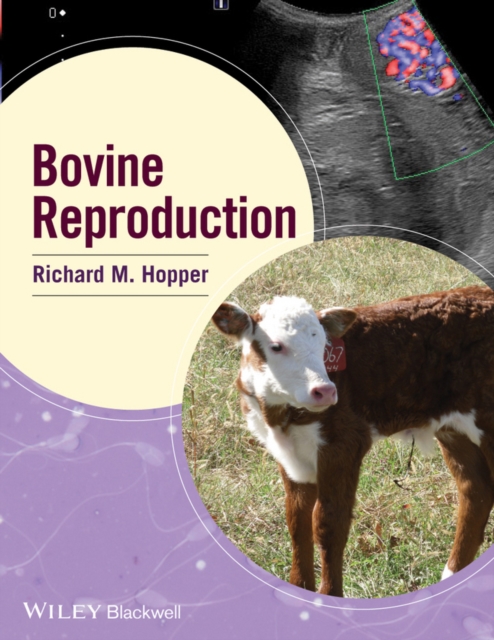
Bovine reproduction
Bovine Reproduction is a comprehensive, current reference providing information on all aspects of reproduction in the bull and cow. Offering fundamental knowledge on evaluating and restoring fertility in the bovine patient, the book also places information in the context of herd health where appropriate for a truly global view of bovine theriogenology. Printed in full color throughout, the book includes 83 chapters and more than 550 images, making it the most exhaustive reference available on this topic. Each section covers anatomy and physiology, breeding management, and reproductive surgery, as well as obstetrics and pregnancy wastage in the cow. Bovine Reproduction is a welcome resource for bovine practitioners, theriogenologists, and animal scientists, as well as veterinary students and residents with an interest in the cow.
eBook

Miniaturized thermal acoustic gas sensor based on a CMOS microhotplate and MEMS microphone
We present a miniaturised thermal acoustic gas sensor, fabricated using a CMOS microhotplate and MEMS microphone. The sensing mechanism is based on the detection of changes in the thermal acoustic conversion efficiency which is dependent on the physical properties of the gas. An active sensing element, consisting of a MEMS microphone, is used to detect the target gas while a reference element is used for acoustic noise compensation. Compared to current photoacoustic gas sensors, our sensor requires neither the use of gas-encapsulated microphones, nor that of optical filters. In addition, it has all the benefits of CMOS technology, including production scalability, low cost and miniaturization. Here we demonstrate its application for CO
2
gas detection. The sensor could be used for gas leak detection, for example, in an industrial plant.
Journal Article

Effect of chronic melatonin supplementation during mid to late gestation on maternal uterine artery blood flow and subsequent development of male offspring in beef cattle
Abstract
The objective of the current study was to examine the effects of supplemental melatonin implants on uterine artery blood flow from mid to late gestation in beef cattle and subsequent development of their male offspring. Commercial beef heifers (n = 32) and cows (n = 25) were bred via artificial insemination and assigned to 1 of 2 groups supplemented with melatonin implants (MEL) or without (CON) at day 180, 210, and 240 of gestation. Uterine artery blood flow was determined using color Doppler ultrasonography. A subset of 12 crossbred heifers (n = 6 MEL; n = 6 CON) underwent Cesarean sections on day 243 ± 2 of gestation to allow for placentome collection. Maternal and fetal serum were collected to analyze melatonin concentrations. The remaining cattle were allowed to calve and at weaning (195 ± 2 d of age), bull calves (n = 15) were castrated and testicular tissue harvested for seminiferous tubule analysis. Heifer uterine artery blood flow was increased (P = 0.009) at day 240 of gestation in MEL compared with CON heifers. Cow uterine artery blood flow was increased (P = 0.003) in MEL compared with CON cows irrespective of gestational day. Maternal and fetal concentrations of melatonin were increased (P < 0.05) in MEL compared with CON heifers. The percent of placentome capillary area per mm2 was decreased (P = 0.019) in MEL compared with CON heifers, while cotyledonary ANGPT1 mRNA tended to increase (P = 0.095) in MEL compared with CON heifers. At weaning, body weight of male offspring and their scrotal circumference were increased (P < 0.05) in calves born to MEL compared with CON dams, while seminiferous tubule diameter and area were not different (P > 0.40) between treatments. In summary, melatonin supplementation increased uterine artery blood flow in mid to late gestating cattle, but this was not accompanied by an increase in fetal weight. Alterations in postnatal development of bulls, including increased body weight and scrotal circumference, warrants future investigations related to attainment of puberty and subsequent fertility of offspring born to melatonin supplemented dams.
Journal Article
A highly efficient CMOS nanoplasmonic crystal enhanced slow-wave thermal emitter improves infrared gas-sensing devices
The application of plasmonics to thermal emitters is generally assisted by absorptive losses in the metal because Kirchhoff’s law prescribes that only good absorbers make good thermal emitters. Based on a designed plasmonic crystal and exploiting a slow-wave lattice resonance and spontaneous thermal plasmon emission, we engineer a tungsten-based thermal emitter, fabricated in an industrial CMOS process and demonstrate its markedly improved practical use in a prototype non-dispersive infrared (NDIR) gas-sensing device. We show that the emission intensity of the thermal emitter at the CO
2
absorption wavelength is enhanced almost 4-fold compared to a standard non-plasmonic emitter, which enables a proportionate increase in the signal-to-noise ratio of the CO
2
gas sensor.
Journal Article
Predicting calvarial morphology in sagittal craniosynostosis
Early fusion of the sagittal suture is a clinical condition called, sagittal craniosynostosis. Calvarial reconstruction is the most common treatment option for this condition with a range of techniques being developed by different groups. Computer simulations have a huge potential to predict the calvarial growth and optimise the management of this condition. However, these models need to be validated. The aim of this study was to develop a validated patient-specific finite element model of a sagittal craniosynostosis. Here, the finite element method was used to predict the calvarial morphology of a patient based on its preoperative morphology and the planned surgical techniques. A series of sensitivity tests and hypothetical models were carried out and developed to understand the effect of various input parameters on the result. Sensitivity tests highlighted that the models are sensitive to the choice of input parameter. The hypothetical models highlighted the potential of the approach in testing different reconstruction techniques. The patient-specific model highlighted that a comparable pattern of calvarial morphology to the follow up CT data could be obtained. This study forms the foundation for further studies to use the approach described here to optimise the management of sagittal craniosynostosis.
Journal Article
A highly stable, nanotube-enhanced, CMOS-MEMS thermal emitter for mid-IR gas sensing
The gas sensor market is growing fast, driven by many socioeconomic and industrial factors. Mid-infrared (MIR) gas sensors offer excellent performance for an increasing number of sensing applications in healthcare, smart homes, and the automotive sector. Having access to low-cost, miniaturized, energy efficient light sources is of critical importance for the monolithic integration of MIR sensors. Here, we present an on-chip broadband thermal MIR source fabricated by combining a complementary metal oxide semiconductor (CMOS) micro-hotplate with a dielectric-encapsulated carbon nanotube (CNT) blackbody layer. The micro-hotplate was used during fabrication as a micro-reactor to facilitate high temperature (>700
∘
C) growth of the CNT layer and also for post-growth thermal annealing. We demonstrate, for the first time, stable extended operation in air of devices with a dielectric-encapsulated CNT layer at heater temperatures above 600
∘
C. The demonstrated devices exhibit almost unitary emissivity across the entire MIR spectrum, offering an ideal solution for low-cost, highly-integrated MIR spectroscopy for the Internet of Things.
Journal Article

Multi-channel portable odor delivery device for self-administered and rapid smell testing
To improve our understanding of the perception of odors, researchers are often required to undertake experimental procedures with users exposed to multiple odors in a variety of settings, including to diagnose smell loss in clinics and care homes. Existing smell tests are typically administered using multiple sniffing pens, manually presented to patients by a highly specialized nurse using a time-consuming and complex testing paradigm. Automated odor delivery devices, such as olfactometer systems, exist but are expensive, bulky and typically lab based, making them difficult to use for on the ground odor delivery. Here we have developed a portable, affordable, odor delivery device that can deliver 24 odors through individual channels with high temporal precision and without cross-contamination. The device allows for the rapid, flexible sequencing of odors via digital control using a mobile application and has been experimentally validated in the lab, as well as tested on patients. The design provides several advantages for investigating olfactory perception and offers the possibility that users can one day self-administer smell tests in a range of settings, including at home, allowing smell healthcare services to evolve and become part of a routine practice and self-care culture.
Richard Hopper and colleagues design a multi-channel odor delivery system. Their device allows high precision olfactory experiences to be created with a compact desktop unit.
Journal Article

A genotype-specific surgical approach for patients with Pfeiffer syndrome due to W290C pathogenic variant in FGFR2 is associated with improved developmental outcomes and reduced mortality
Purpose
Among children with
FGFR2
-associated Pfeiffer syndrome, those with the W290C pathogenic variant (PV) are reported to have the worst clinical outcomes. Mortality is high, and severe neurocognitive impairment has been reported in all surviving patients. However, it is unclear whether these poor outcomes are an unavoidable consequence of the PV itself, or could be improved with a genotype-specific treatment approach. The purpose of this report is to describe the more intensive surgical approach used for each of the three patients with W290C PV in
FGFR2
at our center, all of whom survived and have normal neurocognitive functioning.
Methods
Retrospective chart review.
Results
In contrast to other patients with Pfeiffer syndrome at our center, all three patients who were subsequently found to have a W290C PV required a similar and more aggressive approach based on early cephalocranial disproportion. In contrast to previously reported W290C cases, each of our three patients survived and demonstrate normal neurocognitive functioning.
Conclusion
While previously reported outcomes in W290C-associated Pfeiffer syndrome have been extremely poor, we present three patients who underwent an intensive surgical approach and have normal development. This suggests that a personalized and aggressive surgical approach for children with W290C PV may dramatically improve clinical outcome.
Journal Article
Maternal nutrient restriction alters uterine artery hemodynamics and placentome vascular density in Bos indicus and Bos taurus
The objective was to examine uterine artery blood flow (UBF) as well as macroscopic and microscopic placentome vascular density in nutrient-restricted Angus and Brahman heifers. Angus (n = 6) and Brahman (n = 6) heifers were bred to a single sire and pregnancy confirmed at 30-d postbreeding. Heifers were randomly assigned to 1 of 2 dietary treatments consisting of 100% (control-fed; CON; n = 6) or 60% (total nutrient-restricted; RES; n = 6) based from net energy requirements for gestating heifers. Nutritional treatments were imposed from days 50 to 180 of gestation. On day 175 of gestation, UBF was collected ipsilateral and contralateral to the conceptus via Doppler ultrasonography. Heifers underwent Cesarean sections for collection of 2 adjacent placentomes on day 180 of gestation. The primary cotyledonary artery of 1 placentome was perfused with Alexa Fluor 647 Con A conjugate to examine macroscopic cotyledonary vascular density via an in vivo imaging system. The second placentome was fixed for microscopic immunofluorescence labeling of capillaries and separated into maternal (caruncle) and fetal (cotyledon) components for determination of angiogenic factor mRNA expression. Main effects of nutritional treatment and breed are reported in the absence of a significant nutritional treatment by breed interaction. Ipsilateral UBF was decreased (P < 0.05) by 48% in RES vs. CON, whereas breed did not influence ipsilateral UBF. Contralateral UBF was not different between nutritional treatments; however, contralateral UBF was decreased (P < 0.05) by 63% in Brahman vs. Angus cattle. Macroscopic cotyledonary vascular density was increased (P < 0.05) by 36% in RES vs. CON and 82% in Brahman vs. Angus heifers. Percent capillary area and capillary perimeter were increased (P < 0.05) in RES vs. CON and increased (P < 0.05) in Brahman vs. Angus heifers. Dietary treatments did not alter angiogenic factor expression; however, transcript abundance of caruncle and cotyledon ANGP1, FLT1, and KDR was increased (P < 0.05) in Brahman vs. Angus heifers. In summary, these data indicate compensatory responses in macroscopic and microscopic placentome blood vessel density during maternal nutrient restriction-induced reductions in UBF. Moreover, a greater macroscopic density of cotyledonary blood vessels was observed in Brahman vs. Angus heifers.
Journal Article

Crosstalk Analysis of a CMOS Single Membrane Thermopile Detector Array
We present a new experimental technique to characterise the crosstalk of a thermopile-based thermal imager, based on bi-directional electrical heating of thermopile elements. The new technique provides a significantly simpler and more reliable method to determine the crosstalk, compared to a more complex experimental setup with a laser source. The technique is used to characterise a novel single-chip array, fabricated on a single dielectric membrane. We propose a theoretical model to simulate the crosstalk, which shows good agreement with the experimental results. Our results allow a better understanding of the thermal effects in these devices, which are at the center of a rising market of industrial and consumer applications.
Journal Article