
Catalogue Search | MBRL


Are you sure you want to remove the book from the shelf?

{{itemTitle}}
2,516
result(s) for
"Hor"
Sort by:
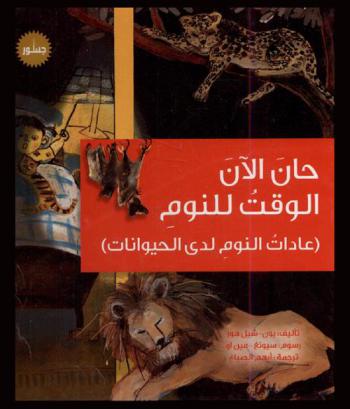
حان الآن الوقت للنوم : (عادات النوم لدى الحيونات)
يعرض هذا الكتاب \"حان الآن الوقت للنوم عادات النوم لدى الحيونات\" تأليف يون-شيل هور أوقات وأماكن وكيفية النوم لدى المخلوقات الحية على الأرض بجوها ويابستها وبحارها ويبين ردود الفعل في حال تعرض هذه المخلوقات للخطر أثناء اليقظة والنوم ووأيضا يبين أهمية النوم بالنسبة للمخلوقات كافة والبحث عن حلول إبداعية كيف يستخلص من مشكلاته.
BOOK

Biodegradation of polyethylene: a brief review
Plastic waste management and recycling became a serious global issue as it affects living beings from all the ecosystems. Researchers investigated biodegradation of polyethylene (PE) by measuring changes in various physico-chemical and structural characteristics using techniques like as fourier transform infrared spectroscopy (FTIR), scanning electron microscope (SEM), etc. However, these evidences are not enough to prove the exact biodegradation of PE. In this review, we summarized microbial biodegradation of polyethylene and discussed recent developments for the candidate microbial enzymes and their possible roles in PE degradation. In addition, we conversed the advanced technologies correctly used for measuring PE degradation using isotope-labeled PE to figure out its metabolism into the end products like as
13
CO
2
.
Journal Article

Epigenetic regulation in human cancer: the potential role of epi-drug in cancer therapy
Epigenetics is dynamic and heritable modifications to the genome that occur independently of DNA sequence. It requires interactions cohesively with various enzymes and other molecular components. Aberrant epigenetic alterations can lead to inappropriate onset of genetic expressions and promote tumorigenesis. As the epigenetic modifiers are susceptible to extrinsic factors and reversible, they are becoming promising targets in multiple cancer therapies. Recently, various epi-drugs have been developed and implicated in clinical use. The use of epi-drugs alone, or in combination with chemotherapy or immunotherapy, has shown compelling outcomes, including augmentation of anti-tumoral effects, overcoming drug resistance, and activation of host immune response.
Journal Article

Topological surface states protected from backscattering by chiral spin texture
Topological insulators: no turning back
Topological insulators are materials in which a relativistic effect known as spin–orbit coupling gives rise to a bulk insulating gap and surface states that resemble so-called chiral edge states in the quantum Hall effect. It has been theoretically suggested that the quantum mechanical spin degree of freedom of such surface edge states may be protected against scattering due to topology, which could be useful for spintronics and quantum computing. Now Roushan
et al
. provide the experimental confirmation of this important prediction. Using scanning tunnelling and angle-resolved photoemission microscopy they are able to demonstrate that, despite strong atomic scale disorder in their system, backscattering between surface states with opposite momentum and opposite spin is absent.
Topological insulators are materials in which a relativistic effect known as spin–orbit coupling gives rise to surface states that resemble chiral edge modes in quantum Hall systems, but with unconventional spin textures. It has been suggested that a feature of such spin-textured boundary states is their insensitivity to spin-independent scattering, which is thought to protect them from backscattering. Here, scanning tunnelling spectroscopy and angle-resolved photoemission spectroscopy are used to confirm this prediction.
Topological insulators are a new class of insulators in which a bulk gap for electronic excitations is generated because of the strong spin–orbit coupling
1
,
2
,
3
,
4
,
5
inherent to these systems. These materials are distinguished from ordinary insulators by the presence of gapless metallic surface states, resembling chiral edge modes in quantum Hall systems, but with unconventional spin textures. A key predicted feature of such spin-textured boundary states is their insensitivity to spin-independent scattering, which is thought to protect them from backscattering and localization. Recently, experimental and theoretical efforts have provided strong evidence for the existence of both two- and three-dimensional classes of such topological insulator materials in semiconductor quantum well structures
6
,
7
,
8
and several bismuth-based compounds
9
,
10
,
11
,
12
,
13
, but so far experiments have not probed the sensitivity of these chiral states to scattering. Here we use scanning tunnelling spectroscopy and angle-resolved photoemission spectroscopy to visualize the gapless surface states in the three-dimensional topological insulator Bi
1-
x
Sb
x
, and examine in detail the influence of scattering from disorder caused by random alloying in this compound. We show that, despite strong atomic scale disorder, backscattering between states of opposite momentum and opposite spin is absent. Our observations demonstrate that the chiral nature of these states protects the spin of the carriers. These chiral states are therefore potentially useful for spin-based electronics, in which long spin coherence is critical
14
, and also for quantum computing applications, where topological protection can enable fault-tolerant information processing
15
,
16
.
Journal Article
A topological Dirac insulator in a quantum spin Hall phase
The best of both worlds
Two of the hottest topics in fundamental condensed matter physics are relativistic Dirac particles and the quantum spin Hall phase. Materials that realize either one of these phenomena are scarce, but new work in bismuth-antimony crystals points to a novel state of quantum matter with both properties. Dirac particles have so far been discovered only in graphene, and the topological edge states central to the quantum spin Hall phase have yet to be directly observed. Hsieh
et al
. now show, through experimental observation of the simple crystal system Bi
1−
x
Sb
x
, that the three-dimensional generalization of both these exotic quantum phases coexist and are highly coupled. This 'topological metal' could be of interest for developing next-generation quantum computing devices.
In the conventional quantum Hall effect, a two-dimensional electronic system in the presence of a magnetic field forms metallic conduction paths at the edge of the sample. This paper experimentally demonstrates a sought-after three-dimensional and spontaneous version of this effect; the bulk of a Bi0.9Sb0.1 crystal is shown to be insulating, while two-dimensional metallic conduction paths exist at the surface, without any applied magnetic field.
When electrons are subject to a large external magnetic field, the conventional charge quantum Hall effect
1
,
2
dictates that an electronic excitation gap is generated in the sample bulk, but metallic conduction is permitted at the boundary. Recent theoretical models suggest that certain bulk insulators with large spin–orbit interactions may also naturally support conducting topological boundary states in the quantum limit
3
,
4
,
5
, which opens up the possibility for studying unusual quantum Hall-like phenomena in zero external magnetic fields
6
. Bulk Bi
1-
x
Sb
x
single crystals are predicted to be prime candidates
7
,
8
for one such unusual Hall phase of matter known as the topological insulator
9
,
10
,
11
. The hallmark of a topological insulator is the existence of metallic surface states that are higher-dimensional analogues of the edge states that characterize a quantum spin Hall insulator
3
,
4
,
5
,
6
,
7
,
8
,
9
,
10
,
11
,
12
,
13
. In addition to its interesting boundary states, the bulk of Bi
1-
x
Sb
x
is predicted to exhibit three-dimensional Dirac particles
14
,
15
,
16
,
17
, another topic of heightened current interest following the new findings in two-dimensional graphene
18
,
19
,
20
and charge quantum Hall fractionalization observed in pure bismuth
21
. However, despite numerous transport and magnetic measurements on the Bi
1-
x
Sb
x
family since the 1960s
17
, no direct evidence of either topological Hall states or bulk Dirac particles has been found. Here, using incident-photon-energy-modulated angle-resolved photoemission spectroscopy (IPEM-ARPES), we report the direct observation of massive Dirac particles in the bulk of Bi
0.9
Sb
0.1
, locate the Kramers points at the sample’s boundary and provide a comprehensive mapping of the Dirac insulator’s gapless surface electron bands. These findings taken together suggest that the observed surface state on the boundary of the bulk insulator is a realization of the ‘topological metal’
9
,
10
,
11
. They also suggest that this material has potential application in developing next-generation quantum computing devices that may incorporate ‘light-like’ bulk carriers and spin-textured surface currents.
Journal Article

The Reactive Oxygen Species in Macrophage Polarization: Reflecting Its Dual Role in Progression and Treatment of Human Diseases
High heterogeneity of macrophage is associated with its functions in polarization to different functional phenotypes depending on environmental cues. Macrophages remain in balanced state in healthy subject and thus macrophage polarization may be crucial in determining the tissue fate. The two distinct populations, classically M1 and alternatively M2 activated, representing the opposing ends of the full activation spectrum, have been extensively studied for their associations with several disease progressions. Accumulating evidences have postulated that the redox signalling has implication in macrophage polarization and the key roles of M1 and M2 macrophages in tissue environment have provided the clue for the reasons of ROS abundance in certain phenotype. M1 macrophages majorly clearing the pathogens and ROS may be crucial for the regulation of M1 phenotype, whereas M2 macrophages resolve inflammation which favours oxidative metabolism. Therefore how ROS play its role in maintaining the homeostatic functions of macrophage and in particular macrophage polarization will be reviewed here. We also review the biology of macrophage polarization and the disturbance of M1/M2 balance in human diseases. The potential therapeutic opportunities targeting ROS will also be discussed, hoping to provide insights for development of target-specific delivery system or immunomodulatory antioxidant for the treatment of ROS-related diseases.
Journal Article

Integrating Network Pharmacology and Pharmacological Evaluation for Deciphering the Action Mechanism of Herbal Formula Zuojin Pill in Suppressing Hepatocellular Carcinoma
Hepatocellular carcinoma (HCC) is a kind of complicated disease with an increasing incidence all over the world. A classic Chinese medicine formula, Zuojin pill (ZJP), was shown to exert therapeutic effects on HCC. However, its chemical and pharmacological profiles remain to be elucidated. In the current study, network pharmacology approach was applied to characterize the action mechanism of ZJP on HCC. All compounds were obtained from the corresponding databases, and active compounds were selected according to their oral bioavailability and drug-likeness index. The potential proteins of ZJP were obtained from the traditional Chinese medicine systems pharmacology (TCMSP) database and the traditional Chinese medicine integrated database (TCMID), whereas the potential genes of HCC were obtained from OncoDB.HCC and Liverome databases. The potential pathways related to genes were determined by gene ontology (GO) and pathway enrichment analyses. The compound-target and target-pathway networks were constructed. Subsequently, the potential underlying action mechanisms of ZJP on HCC predicted by the network pharmacology analyses were experimentally validated in HCC cellular and orthotopic HCC implantation murine models. A total of 224 components in ZJP were obtained, among which, 42 were chosen as bioactive components. The compound-target network included 32 compounds and 86 targets, whereas the target-pathway network included 70 proteins and 75 pathways. The in vitro and in vivo experiments validated that ZJP exhibited its prominent therapeutic effects on HCC mainly via the regulation of cell proliferation and survival though the EGFR/MAPK, PI3K/NF-κB, and CCND1 signaling pathways. In conclusion, our study suggested combination of network pharmacology prediction with experimental validation may offer a useful tool to characterize the molecular mechanism of traditional Chinese medicine (TCM) ZJP on HCC.
Journal Article

Epigenetic regulation of ferroptosis via ETS1/miR-23a-3p/ACSL4 axis mediates sorafenib resistance in human hepatocellular carcinoma
Background
Drug resistance to sorafenib greatly limited the benefits of treatment in patients with hepatocellular carcinoma (HCC). MicroRNAs (miRNAs) participate in the development of drug resistance. The key miRNA regulators related to the clinical outcome of sorafenib treatment and their molecular mechanisms remain to be identified.
Methods
The clinical significance of miRNA-related epigenetic changes in sorafenib-resistant HCC was evaluated by analyzing publicly available databases and in-house human HCC tissues. The biological functions of miR-23a-3p were investigated both in vitro and in vivo. Proteomics and bioinformatics analyses were conducted to identify the mechanisms that regulating miR-23a-3p. Luciferase reporter assay and chromatin immunoprecipitation (ChIP) assay were used to validate the binding relationship of miR-23a-3p and its targets.
Results
We found that miR-23a-3p was the most prominent miRNA in HCC, which was overexpressed in sorafenib non-responders and indicated poor survival and HCC relapse. Sorafenib-resistant cells exhibited increased miR-23a-3p transcription in an ETS Proto-Oncogene 1 (ETS1)-dependent manner. CRISPR-Cas9 knockout of miR-23a-3p improved sorafenib response in HCC cells as well as orthotopic HCC tumours. Proteomics analysis suggested that sorafenib-induced ferroptosis was the key pathway suppressed by miR-23a-3p with reduced cellular iron accumulation and lipid peroxidation. MiR-23a-3p directly targeted the 3′-untranslated regions (UTR) of ACSL4, the key positive regulator of ferroptosis. The miR-23a-3p inhibitor rescued ACSL4 expression and induced ferrotoptic cell death in sorafenib-treated HCC cells. The co-delivery of ACSL4 siRNA and miR-23a-3p inhibitor abolished sorafenib response.
Conclusion
Our study demonstrates that ETS1/miR-23a-3p/ACSL4 axis contributes to sorafenib resistance in HCC through regulating ferroptosis. Our findings suggest that miR-23a-3p could be a potential target to improve sorafenib responsiveness in HCC patients.
Journal Article
A tunable topological insulator in the spin helical Dirac transport regime
Topological insulators: tuned to protection
Helical Dirac fermions are relativistic particles which, unlike conventional Dirac fermions in graphene, have a net intrinsic angular momentum (spin) interlocked with their translational momentum, a property desirable for spintronic and computing technologies. Recently, it was proposed that such helical Dirac systems could be realized in so-called topological insulators — materials in which strong spin–orbit coupling gives rise to a bulk insulating gap and surface states protected against scattering by time-reversal symmetry. Hsieh
et al
. combine spin- and momentum-resolved spectroscopic imaging techniques to report the experimental realization of such a system in a bismuth-based material, where the experiments reveal nearly 100% spin polarization even up to room temperature. Crucially, the paper reports tunability of the fermion density, via doping, enabling the authors to drive the system to the so-called topological transport regime, which is believed to facilitate spin transport without heat dissipation.
Helical Dirac fermions are charge carriers that behave as massless relativistic particles with an intrinsic angular momentum (spin) locked to their translational momentum, a property desirable for spintronic and computing technologies. It has recently been proposed that such fermions may exist at the edges of certain types of topologically ordered insulators. Here, the realization and characterization of such a system is reported; the results reveal nearly 100 per cent spin polarization, even up to room temperature.
Helical Dirac fermions—charge carriers that behave as massless relativistic particles with an intrinsic angular momentum (spin) locked to its translational momentum—are proposed to be the key to realizing fundamentally new phenomena in condensed matter physics
1
,
2
,
3
,
4
,
5
,
6
,
7
,
8
,
9
. Prominent examples include the anomalous quantization of magneto-electric coupling
4
,
5
,
6
, half-fermion states that are their own antiparticle
7
,
8
, and charge fractionalization in a Bose–Einstein condensate
9
, all of which are not possible with conventional Dirac fermions of the graphene variety
10
. Helical Dirac fermions have so far remained elusive owing to the lack of necessary spin-sensitive measurements and because such fermions are forbidden to exist in conventional materials harbouring relativistic electrons, such as graphene
10
or bismuth
11
. It has recently been proposed that helical Dirac fermions may exist at the edges of certain types of topologically ordered insulators
3
,
4
,
12
—materials with a bulk insulating gap of spin–orbit origin and surface states protected against scattering by time-reversal symmetry—and that their peculiar properties may be accessed provided the insulator is tuned into the so-called topological transport regime
3
,
4
,
5
,
6
,
7
,
8
,
9
. However, helical Dirac fermions have not been observed in existing topological insulators
13
,
14
,
15
,
16
,
17
,
18
. Here we report the realization and characterization of a tunable topological insulator in a bismuth-based class of material by combining spin-imaging and momentum-resolved spectroscopies, bulk charge compensation, Hall transport measurements and surface quantum control. Our results reveal a spin-momentum locked Dirac cone carrying a non-trivial Berry’s phase that is nearly 100 per cent spin-polarized, which exhibits a tunable topological fermion density in the vicinity of the Kramers point and can be driven to the long-sought topological spin transport regime. The observed topological nodal state is shown to be protected even up to 300 K. Our demonstration of room-temperature topological order and non-trivial spin-texture in stoichiometric Bi
2
Se
3
.M
x
(M
x
indicates surface doping or gating control) paves the way for future graphene-like studies of topological insulators, and applications of the observed spin-polarized edge channels in spintronic and computing technologies possibly at room temperature.
Journal Article
Insights into the Role and Interdependence of Oxidative Stress and Inflammation in Liver Diseases
The crucial roles of oxidative stress and inflammation in the development of hepatic diseases have been unraveled and emphasized for decades. From steatosis to fibrosis, cirrhosis and liver cancer, hepatic oxidative stress, and inflammation are sustained and participated in this pathological progressive process. Notably, increasing evidences showed that oxidative stress and inflammation are tightly related, which are regarded as essential partners that present simultaneously and interact with each other in various pathological conditions, creating a vicious cycle to aggravate the hepatic diseases. Clarifying the interaction of oxidative stress and inflammation is of great importance to provide new directions and targets for developing therapeutic intervention. Herein, this review is concerned with the regulation and interdependence of oxidative stress and inflammation in a variety of liver diseases. In addition to classical mediators and signaling, particular emphasis is placed upon immune suppression, a potential linkage of oxidative stress and inflammation, to provide new inspiration for the treatment of liver diseases. Furthermore, since antioxidation and anti-inflammation have been extensively attempted as the strategies for treatment of liver diseases, the application of herbal medicines and their derived compounds that protect liver from injury via regulating oxidative stress and inflammation collectively were reviewed and discussed.
Journal Article