
Catalogue Search | MBRL


Are you sure you want to remove the book from the shelf?

{{itemTitle}}
4
result(s) for
"Horberry, Tim, author"
Sort by:

Driver acceptance of new technology : theory, measurement and optimisation
\"Acceptance of new technology and systems by drivers is an important area of concern to governments, automotive manufacturers and equipment suppliers, especially technology that has significant potential to enhance safety. To be acceptable, new technology must be useful and satisfying to use. If not, drivers will not want to have it, in which case it will never achieve the intended safety benefit. Even if they have the technology, drivers may not use it if it is deemed unacceptable, or may not use it in the manner intended by the designer. At worst, they may seek to disable it\"-Provided by publisher.
Book
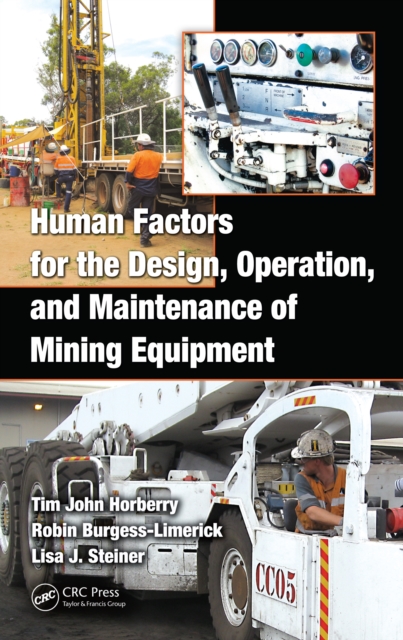
Human Factors for the Design, Operation, and Maintenance of Mining Equipment
Written by leading experts from Australia and North America, this book covers the impact of new mining technology on human work performance and safety. Ergonomics experts Tim John Horberry, Robin Burgess-Limerick, and Lisa J. Steiner draw on their personal experience to provide recent research, case studies, and examples, making the book useful, accurate, informative, and easy to read. The authors combine their in-the-trenches experience and academic expertise to present a treatment that balances breadth with depth. The book supplies a much-needed overview of the human element in the journey to optimal equipment design of mining equipment.
eBook

Driver Acceptance of New Technology
This edited volume brings together the accumulating body of work on driver and operator acceptance of new technology. It covers the theory behind acceptance, how it can be measured and how it can be improved. Case studies are presented that provide data on driver acceptance for new and emerging vehicle technology.
eBook
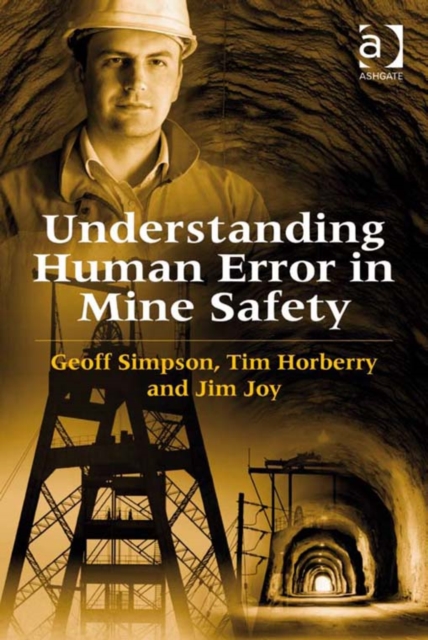
Understanding Human Error in Mine Safety
The consideration of human factors issues is vital to the mining industry. As in other safety-critical domains, human performance problems constitute a significant threat to system safety, making the study of human factors an important field for improving safety in mining operations. The primary purpose of this book is to provide the reader with a much-needed overview of human factors within the mining industry, in particular to understand the role of human error in mine safety, explaining contemporary risk management and safety systems approaches. The approach taken is multidisciplinary and holistic, based on a model of the systems of work in the mining industry domain. The ingredients in this model include individual operators, groups/teams, technology/equipment, work organisation and the physical environment. Throughout the book, topics such as human error and safety management are covered through the use of real examples and case studies, allowing the reader to see the practical significance of the material presented while making the text rigorous, useful and enjoyable. Understanding Human Error in Mine Safety is written for professionals in the field, researchers and students of mining engineering, safety or human factors.
eBook