
Catalogue Search | MBRL


Are you sure you want to remove the book from the shelf?

{{itemTitle}}
149
result(s) for
"Hunt, Jonathan R."
Sort by:

The Reagan Moment
In The Reagan Moment , the ideas, events, strategies,
trends, and movements that shaped the 1980s are revealed to have
had lasting effects on international relations: The United States
went from a creditor to a debtor nation; democracy crested in East
Asia and returned to Latin America; the People's Republic of China
moved to privatize, decentralize, and open its economy; Osama bin
Laden founded Al Qaeda; and relations between Washington and Moscow
thawed en route to the Soviet Union's dissolution.
The Reagan Moment places US foreign relations into
global context by examining the economic, international, and
ideational relationships that bound Washington to the wider world.
Editors Jonathan R. Hunt and Simon Miles bring together a cohort of
scholars with fresh insights from untapped and declassified global
sources to recast Reagan's pivotal years in power.
Contributors: Seth Anziska, James Cameron, Elizabeth Charles,
Susan Colbourn, Michael De Groot, Stephanie Freeman, Christopher
Fuller, Flavia Gasbarri, Mathias Haeussler, William Inboden, Mark
Atwood Lawrence, Elisabeth Mariko Leake, Melvyn P. Leffler, Evan D.
McCormick, Jennifer Miller, David Painter, Robert Rakove, William
Michael Schmidli, Sarah Snyder, Lauren Frances Turek, James
Wilson
eBook
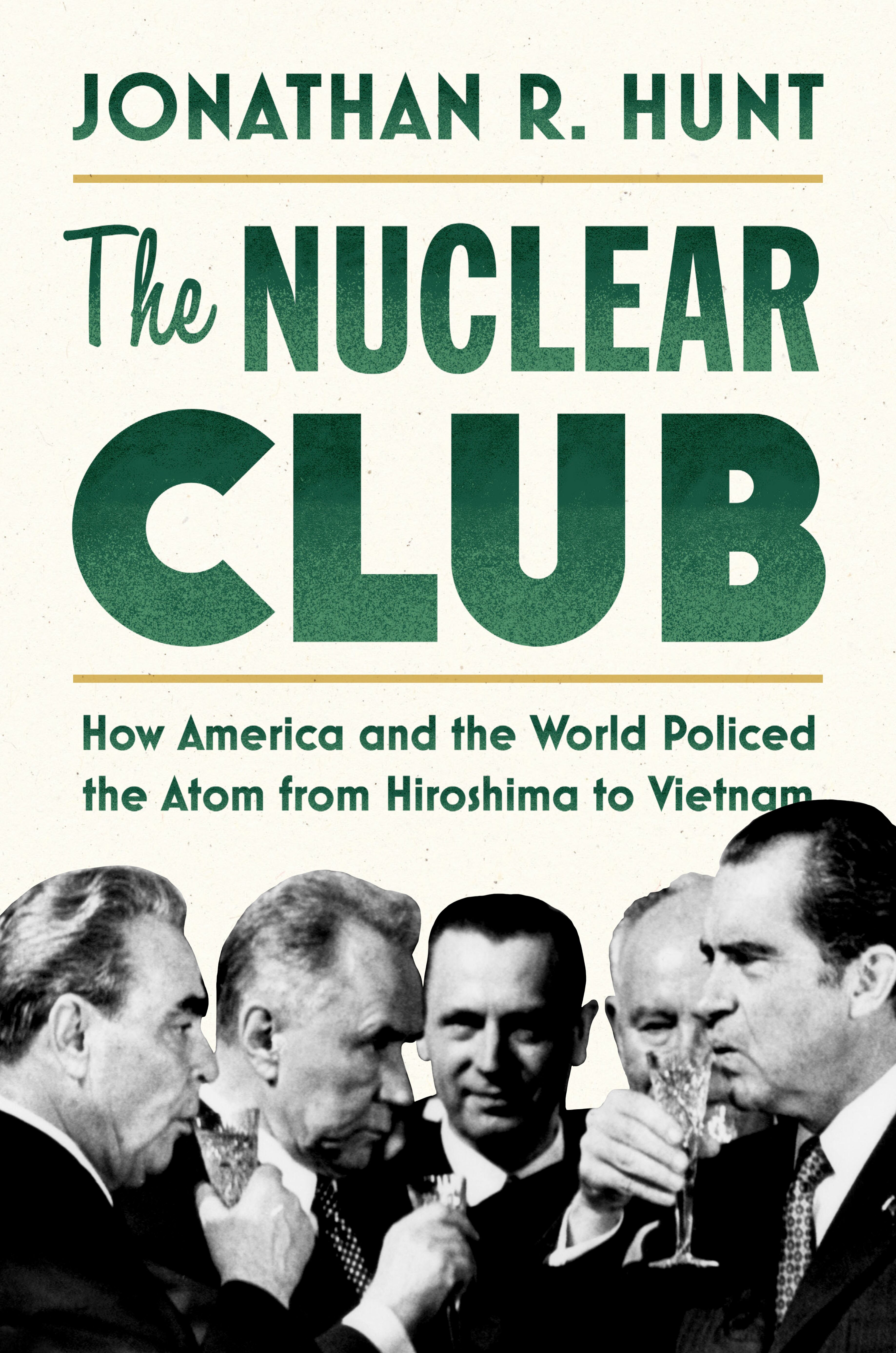
The nuclear club : how America and the world policed the atom from Hiroshima to Vietnam
The Nuclear Club reveals how a coalition of powerful and developing states embraced global governance in hopes of a bright and peaceful tomorrow. While fears of nuclear war were ever-present, it was the perceived threat to their preeminence that drove Washington, Moscow, and London to throw their weight behind the 1963 Limited Test Ban Treaty (LTBT) banishing nuclear testing underground, the 1967 Treaty of Tlatelolco banning atomic armaments from Latin America, and the 1968 Nuclear Non-Proliferation Treaty (NPT) forbidding more countries from joining the most exclusive club on Earth.
International society, the Cold War, and the imperial U.S. presidency were reformed from 1945 to 1970, when a global nuclear order was inaugurated, averting conflict in the industrial North and yielding what George Orwell styled a \"peace that is no peace\" everywhere else. Today the nuclear order legitimizes foreign intervention worldwide, empowering the nuclear club and, above all, the United States, to push sanctions and even preventive war against atomic outlaws, all in humanity's name.
eBook
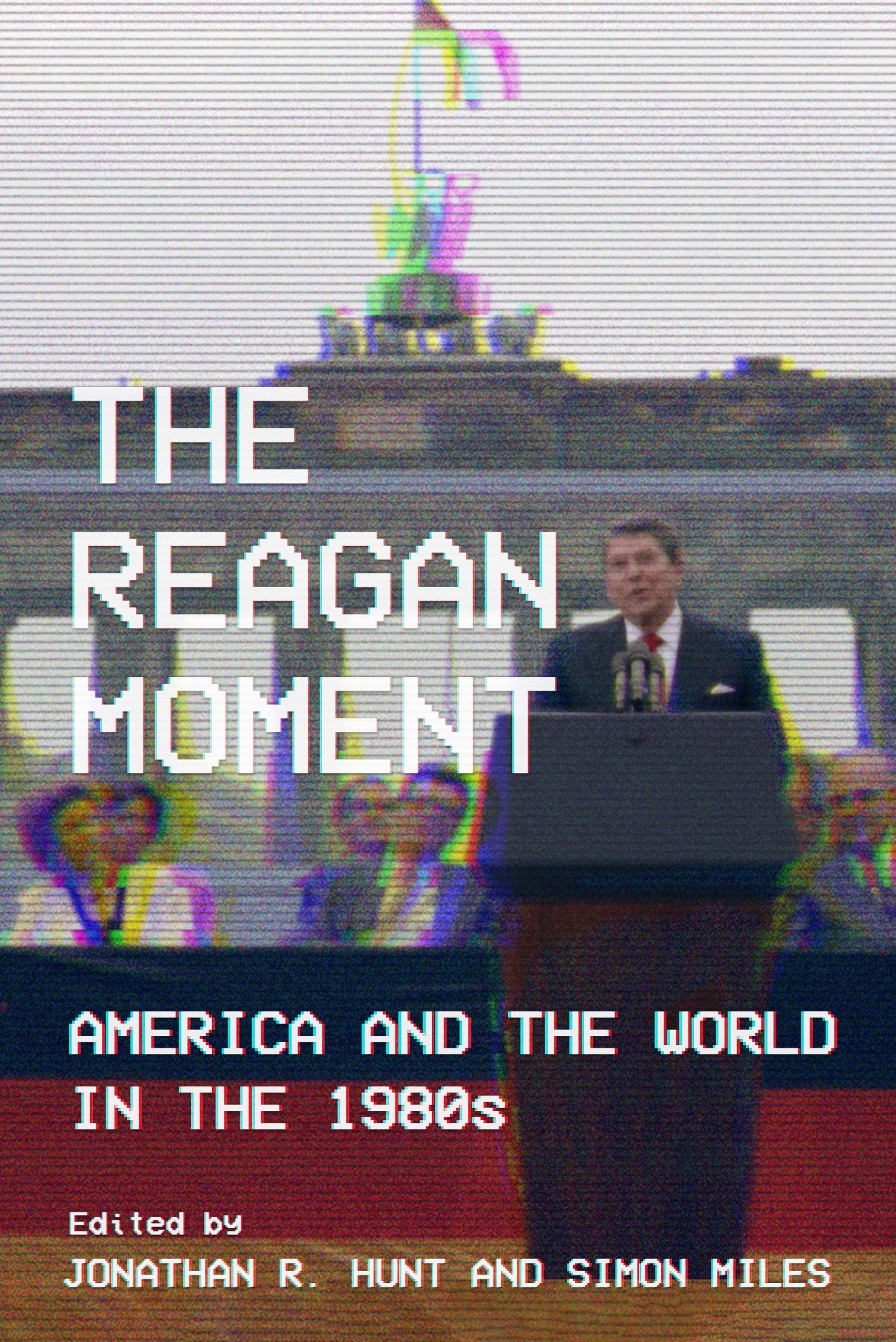
The Reagan Moment
In The Reagan Moment , the ideas, events, strategies,
trends, and movements that shaped the 1980s are revealed to have
had lasting effects on international relations: The United States
went from a creditor to a debtor nation; democracy crested in East
Asia and returned to Latin America; the People's Republic of China
moved to privatize, decentralize, and open its economy; Osama bin
Laden founded Al Qaeda; and relations between Washington and Moscow
thawed en route to the Soviet Union's dissolution.
The Reagan Moment places US foreign relations into
global context by examining the economic, international, and
ideational relationships that bound Washington to the wider world.
Editors Jonathan R. Hunt and Simon Miles bring together a cohort of
scholars with fresh insights from untapped and declassified global
sources to recast Reagan's pivotal years in power.
Contributors: Seth Anziska, James Cameron, Elizabeth Charles,
Susan Colbourn, Michael De Groot, Stephanie Freeman, Christopher
Fuller, Flavia Gasbarri, Mathias Haeussler, William Inboden, Mark
Atwood Lawrence, Elisabeth Mariko Leake, Melvyn P. Leffler, Evan D.
McCormick, Jennifer Miller, David Painter, Robert Rakove, William
Michael Schmidli, Sarah Snyder, Lauren Frances Turek, James
Wilson
eBook

Reagan Moment
In The Reagan Moment, the ideas, events, strategies, trends, and movements that shaped the 1980s are revealed to have had lasting effects on international relations: The United States went from a creditor to a debtor nation; democracy crested in East Asia and returned to Latin America; the People's Republic of China moved to privatize, decentralize, and open its economy; Osama bin Laden founded Al Qaeda; and relations between Washington and Moscow thawed en route to the Soviet Union's dissolution. The Reagan Moment places US foreign relations into global context by examining the economic, international, and ideational relationships that bound Washington to the wider world. Editors Jonathan R. Hunt and Simon Miles bring together a cohort of scholars with fresh insights from untapped and declassified global sources to recast Reagan's pivotal years in power. Contributors: Seth Anziska, James Cameron, Elizabeth Charles, Susan Colbourn, Michael De Groot, Stephanie Freeman, Christopher Fuller, Flavia Gasbarri, Mathias Haeussler, William Inboden, Mark Atwood Lawrence, Elisabeth Mariko Leake, Melvyn P. Leffler, Evan D. McCormick, Jennifer Miller, David Painter, Robert Rakove, William Michael Schmidli, Sarah Snyder, Lauren Frances Turek, James Wilson
eBook