
Catalogue Search | MBRL


Are you sure you want to remove the book from the shelf?

{{itemTitle}}
263
result(s) for
"Ibrahim, Susan"
Sort by:

Multidrug-resistant Acinetobacter baumannii as an emerging concern in hospitals
Acinetobacter baumannii
has become a major concern for scientific attention due to extensive antimicrobial resistance. This resistance causes an increase in mortality rate because strains resistant to antimicrobial agents are a major challenge for physicians and healthcare workers regarding the eradication of either hospital or community-based infections. These strains with emerging resistance are a serious issue for patients in the intensive care unit (ICU). Antibiotic resistance has increased because of the acquirement of mobile genetic elements such as transposons, plasmids, and integrons and causes the prevalence of multidrug resistance strains (MDR). In addition, an increase in carbapenem resistance, which is used as last line antibiotic treatment to eliminate infections with multidrug-resistant Gram-negative bacteria, is a major concern. Carbapenems resistant
A. baumannii
(CR-Ab) is a worldwide problem. Because these strains are often resistant to all other commonly used antibiotics. Therefore, pathogenic multi-drug resistance
A. baumannii
(MDR-Ab) associated infections become hard to eradicate. Plasmid-mediated resistance causes outbreaks of extensive drug-resistant
. A. baumannii
(XDR-Ab). In addition, recent outbreaks relating to livestock and community settings illustrate the existence of large MDR-Ab strain reservoirs within and outside hospital settings. The purpose of this review, proper monitoring, prevention, and treatment are required to control (XDR-Ab) infections. Attachment, the formation of biofilms and the secretion of toxins, and low activation of inflammatory responses are mechanisms used by pathogenic
A. baumannii
strain. This review will discuss some aspects associated with antibiotics resistance in
A. baumannii
as well as cover briefly phage therapy as an alternative therapeutic treatment.
Journal Article

Gaps in the global health research landscape for mpox: an analysis of research activities and existing evidence
Background
Since December 2022, human cases of mpox in the Democratic Republic of the Congo (DRC) have risen at unprecedented rates. We identified a need for systematic mapping of the active research landscape and evidence, assessing their alignment with both local and global research priorities, to inform urgently needed research investments to support response efforts.
Methods
We conducted a mapping review of global research funding and international clinical trial registries and established a systematic rapid research needs appraisals platform to identify existing evidence gaps on mpox research. We analysed the alignment of these to established research categories and both local and globally identified mpox-specific research priorities.
Results
We identified 124 ongoing mpox research grants, 79 registered trials and 415 published studies. Most grants (85.0%,
n
= 105/124), clinical trials (49.3%,
n
= 39/79) and primary studies (57.7%,
n
= 205/355) were conducted in high-income countries, with most evidence published in response to the 2022 clade II global mpox outbreaks. Research funding has been focussed on vaccine and therapeutic pre-clinical development. Key gaps remain in both ongoing research and evidence relating to clinical characterisation among populations at risk, clinical trials on effective medical countermeasures specific to clade I, social sciences, health systems research, and healthcare and community protection.
Conclusions
Our findings highlight persistent research gaps related to mpox clade Ib, particularly the limited knowledge on its characteristics and a lack of ongoing efforts to develop effective medical countermeasures, posing a risk to control efforts. Aligning research and investments to locally and globally identified research priorities and evidence gaps will help support national, regional and international responses to prevent transmission and improve outcomes.
Journal Article
Research prioritisation in preparedness for and response to outbreaks of high-consequence pathogens: a scoping review
Background
Priority setting for research on epidemic/pandemic-prone pathogens is essential for the allocation of limited resources to optimise impact. It involves the identification of gaps in knowledge crucial to effective preparedness and response to outbreaks. This review maps priority-setting exercises, reviews their approaches to research prioritisation and describes associated monitoring and evaluation processes for research priorities on high-consequence pathogens.
Methods
Using search terms associated with high-consequence pathogens, as defined by the WHO (2020), EMERGE (2019), European CDC (2022) and the Association of Southeast Asian Nations (2021), and research prioritisation, we searched WHO Global Index Medicus; Ovid Medline; Ovid Embase; Ovid Global Health; and Scopus. Grey literature sources were Google Scholar and the WHO websites, complemented by recommendations from stakeholder consultation. Two independent reviewers screened abstracts and full-texts including documents describing research prioritisation activities. Results were analysed using descriptive statistics and narrative synthesis.
Results
We identified 125 publications presenting priority setting activities on 17 high-consequence pathogens published between 1975 and 2022. Most (62%) were related to SARS-CoV-2, 5.6% to Ebola virus and 5% to Zika virus. Three different broad approaches to setting priorities were identified, most (53%) involved external consultations with experts. Few (6%) indicated plans to monitor progress against set priorities.
Conclusions
Our results highlight the diversity in research prioritisation practice in the context of high-consequence pathogens and a limited application of the existing standards in health research prioritisation. An increased uptake of these standards and harmonisation of practice may improve quality and confidence and ultimately improve alignment of funded research with the resulting priorities.
Journal Article

Sudan virus disease outbreak in Uganda: urgent research gaps
The Sudan ebolavirus (SUDV) outbreak highlights our ongoing vulnerability to re-emerging high-consequence infectious diseases. Although the Minister of health in Uganda has initiated public health measures in collaboration with neighbouring countries and with support of the WHO, cases have continued to spread to several regions including the capital. The ongoing transmission, uncertain case numbers and no licensed vaccine or therapeutics available are a cause for concern. We searched four databases for SUDV research using the search terms “SUDV”, “Sudan Virus” and “Ebola Sudan”. Our analysis identified only 20 SUDV research studies. Most were implemented in the USA and only one in Uganda. Nine studies were on therapeutics, eight on vaccines, one on diagnostics, one in one health and one in social science. Our data highlight a lack of SUDV research and an urgent need for investment to identify an effective vaccine, and optimal supportive care and therapeutic strategies for all at risk groups as a key research priority. Research investments should be prioritised into vaccines and treatment strategies that will be accessible to high-risk populations in affected regions during the outbreak, to protect populations, improve individual outcomes and facilitate outbreak control.
Journal Article

Marine Brevibacterium aureum Extract and Its Constituent’s Saphenic Acid a Derivative of 1-phenazinecarboxylic Acid (Tubermycin B), Initiate Apoptosis via Inhibition of NF-κB and MAPK Expression
ObjectiveIn this study, we investigated the anti-inflammatory activity of marine Brevibacterium aureum and its major constituent’s saphenic acid a derivative of 1-phenazinecarboxylic acid on induction of inducible pro-inflammatory cytokines, in lipopolysaccharide (LPS)-stimulated macrophages cells.MethodsThe marine samples were collected and tested for its anti-cancer activity using MTT assay protocols. The effects of saphenic acid on macrophages was tested by AO/EB staining, cell cycle, and tunnel assay. The expression of pro-inflammatory mediators in macrophages was evaluated with western blot. The inhibitory effects of saphenic acid on the activation of signalling pathways in macrophages were evaluated by western blot analysis.ResultsThe strain identified as Brevibacterium aeureum species exhibit potential in vitro cytotoxicity on MCF-7, HeLa and HCT-116 showed optimal anticancer activity when compared to standard. Its major constituent’s saphenic acid significantly suppressed levels of expression of LPS-induced NF-κB and phosphorylation of MAPKs (ERK1/2, JNK, and p38).ConclusionCollectively, data from this study suggest that B. aureum and its major fraction saphenic acid have the potency of anticancer activities, which is effected via inhibition of NF-κB and MAPK signaling pathways, and thus holds promise for treatment of inflammatory disease.
Journal Article

Intelligent Drip Irrigation Systems Utilising Internet of Things and Laser Fiber Optic Sensors for Soil Moisture Content (REVIEW)
Measurements of soil moisture systems are frequently carried out using gravimetric method, tensiometers and capacitive sensors with poor accuracy and responsiveness, particularly with deep layer of soil. These systems are limited by time, lack live data making them less efficient and not focused on irrigation and bad water-use efficiency and nonoptimum crop. On the other hand, recently IoT based smart-irrigation is reported which employ complex laser-based fiber-optic sensors for precise measurement of soil moisture. These sensors deliver accurate and consistent moisture readings every time, as well as current data, allowing farmers to make irrigation decisions based on dry spots in their fields and the evapotranspiration. Besides, it is also possible to monitor the soil in a local way at different depths, achieving a more effective distribution of water according to plant demand with the help of smart irrigation. That not only saves water but is better for plant health and improves crop yields. Laser-optical fiber sensors are also technological breakthroughs for promoting nutrient management in sustainable agriculture by keeping the WUE and productivity on maximum level for sustainable farming purposes.
Journal Article

Regulation of the Transcription Factor Yin Yang 1 by Tyrosine Phosphorylation
Yin Yang 1 (YY1) is a multifunctional transcription factor that can activate or repress transcription depending on the promotor and/or the co-factors recruited. YY1 is phosphorylated in various signaling pathways and is critical for different biological functions including embryogenesis, apoptosis, proliferation, cell-cycle regulation and tumorigenesis. Here we report that YY1 is a substrate of two different tyrosine kinases. First, c-Abl kinase phosphorylates YY1 at conserved residue Y254 in the spacer region. Pharmacological inhibition of c-Abl kinase by imatinib, nilotinib and GZD824, knock-down of c-Abl using siRNA and the use of c-Abl kinase-dead drastically reduces tyrosine phosphorylation of YY1. Both radioactive and non-radioactive in vitro kinase assays, as well as co-immunoprecipitation in different cell lines, show that the target of c-Abl phosphorylation is tyrosine residue 254. c-Abl phosphorylation has little effect on YY1 DNA binding ability or cellular localization in asynchronous cells. However, functional studies revealed that c-Abl mediated phosphorylation of YY1 regulated YY1’s transcriptional ability in vivo. Secondly, we show that YY1 is phosphorylated by non-receptor tyrosine kinase Src and this phosphorylation is mediated by the receptor tyrosine kinase c-Kit signaling pathway at tyrosine residue 251. Computational prediction using GPS 3.0 identified Src as a possible kinase that could target YY1 for tyrosine phosphorylation. The use of a highly sensitive phospho-specific antibody against phosphorylated Y251 in combination with non-radioactive in vitro kinase assay show that Src phosphorylates YY1 in vitro . Pharmacological inhibition of both c-Kit and Src kinase caused a great reduction in tyrosine phosphorylation of YY1 at Y251. The use of SCF ligand to stimulate c-Kit kinase show that YY1 may be a target of Src kinase phosphorylation under the c-Kit signaling cascade at Y251. Ongoing research includes the generation of phospho-mutations at tyrosine 251 using the CRISPR/Cas9 genome editing tool to uncover the biological significance of this phosphorylation. In conclusion, we demonstrate the novel role of c-Abl kinase in regulation of YY1’s transcriptional activity, linking YY1 regulation with the c-Abl tyrosine kinase signaling pathways. We also link YY1 phosphorylation to the c-Kit receptor tyrosine kinase signaling pathway. Because errors in signaling result in cancer growth and other disease, understanding the dynamic cellular processes of YY1 phosphorylation by tyrosine kinases will lead to a better understanding of the signaling networks within the cell leading to more effective treatment for disease.
Dissertation
An annotated edition of the letters of arthur hugh clough to his american friends: ralph waldo emerson, charles eliot norton, james russell lowell, francis james child and henry wadsworth longfellow, over the period 1847-1861
This is a textually complete and comprehensively annotated edition of the poet Arthur Hugh Clough’s letters to five of the leading American poets and scholars of his day: Ralph Waldo Emerson, Charles Eliot Norton, James Russell Lowell, Francis James Child and Henry Wadsworth Longfellow, over the period 1847–1861. Fifteen of these letters have not previously been published, and those that appear in published editions are largely incomplete and unannotated. The letters in this edition have been transcribed from the original manuscripts held at the Bodleian and Houghton Libraries. They provide a great deal of valuable information about the less well-known later period of Clough’s life and have been extensively annotated to modern scholarly standards using information from primary literary and historical sources. The introduction to the thesis contextualises Clough’s visit to America and the initiation of the correspondence with his American friends, highlighting the central importance of the ‘American dimension’ to Clough’s life and work. I also discuss aspects of nineteenth-century letter-writing that have only relatively recently become the subject of critical attention, such as the impact of material factors – postage rates, steamship schedules, etc – on Clough’s transatlantic correspondence. Clough’s creation of an ‘epistolary self’ in his private letters, together with his distinctive habit of writing ‘journal-letters’ and the idea of letters as historical ‘testimony’ are the subject of detailed analysis, and I draw a number of parallels with his use of the epistolary form in his major poetry. Chapter 2 of the thesis evaluates existing ‘theories’ of annotation, reviews current practice in relation to the annotation of nineteenth-century correspondence and concludes with a reflection on my own experience of editing Clough’s letters. The absence of a definitive version of Clough’s American letters and the comprehensive introduction will make this edition an original contribution to scholarly work on nineteenth-century correspondence and poetry.
Dissertation
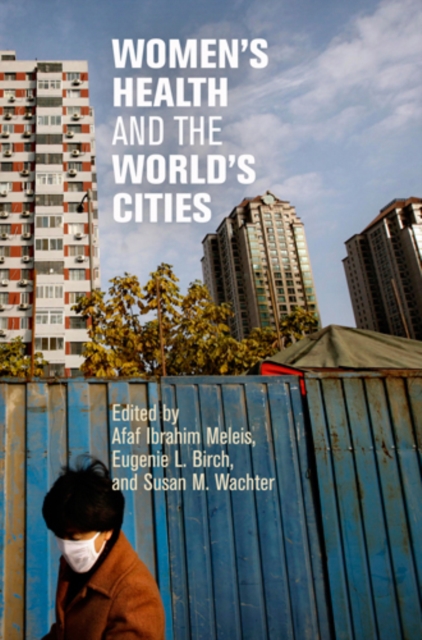
Women's Health and the World's Cities
Growing urbanization affects women and men in fundamentally different ways, but the relationship between gender and city environments has been ignored or misunderstood. Women and men play different roles, frequent different public areas, and face different health risks. Women suffer disproportionately from disease, injury, and violence because their access to resources is often more limited than that of their male counterparts. Yet, when women are healthy and safe, so are their families and communities. Urban policy makers and public health professionals need to understand how conditions in densely populated places can help or harm the well-being of women in order to serve this large segment of humanity.Women's Health and the World's Citiesilluminates the intersection of gender, health, and urban environments. This collection of essays examines the impact of urban living on the physical and psychological states of women and girls in Africa, Asia, Latin America, and the United States. Urban planners, scholars, medical practitioners, and activists present original research and compelling ideas. They consider the specific needs of subpopulations of urban women and evaluate strategies for designing spaces, services, and infrastructure in ways that promote women's health.Women's Health and the World's Citiesprovides urban planners and public health care providers with on-the-ground examples of projects and policies that have changed women's lives for the better.
eBook