
Catalogue Search | MBRL


Are you sure you want to remove the book from the shelf?

{{itemTitle}}
2
result(s) for
"Irving, Andrew, editor"
Sort by:

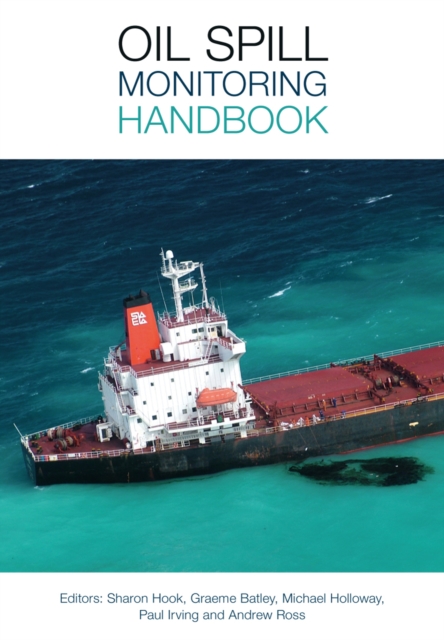
Oil Spill Monitoring Handbook
Oil spills can be difficult to manage, with reporting frequently delayed. Too often, by the time responders arrive at the scene, the slick has moved, dissolved, dispersed or sunk. This Handbook provides practical advice on what information is likely required following the accidental release of oil or other petroleum-based products into the marine environment.The book focuses on response phase monitoring for maritime spills, otherwise known as Type I or operational monitoring. Response phase monitoring tries to address the questions - what? where? when? how? how much? - that assist responders to find, track, predict and clean up spills, and to assess their efforts. Oil spills often occur in remote, sensitive and logistically difficult locations, often in adverse weather, and the oil can change character and location over time. An effective response requires robust information provided by monitoring, observation, sampling and science.
eBook