
Catalogue Search | MBRL


Are you sure you want to remove the book from the shelf?

{{itemTitle}}
167
result(s) for
"Jacobs, Dale"
Sort by:

Graphic encounters : comics and the sponsorship of multimodal literacy
\"With the recent explosion of activity and discussion surrounding comics, it seems timely to examine how we might think about the multiple ways in which comics are read and consumed. Graphic Encounters moves beyond seeing the reading of comics as a debased or simplified word-based literacy. Dale Jacobs argues compellingly that we should consider comics as multimodal texts in which meaning is created through linguistic, visual, audio, gestural, and spatial realms in order to achieve effects and meanings that would not be possible in either a strictly print or strictly visual text. Jacobs advances two key ideas: one, that reading comics involves a complex, multimodal literacy and, two, that by studying how comics are used to sponsor multimodal literacy, we can engage more deeply with the ways students encounter and use these and other multimodal texts. Looking at the history of how comics have been used (by churches, schools, and libraries among others) will help us, as literacy teachers, best use that knowledge within our curricula, even as we act as sponsors ourselves\"-- Provided by publisher.
Book
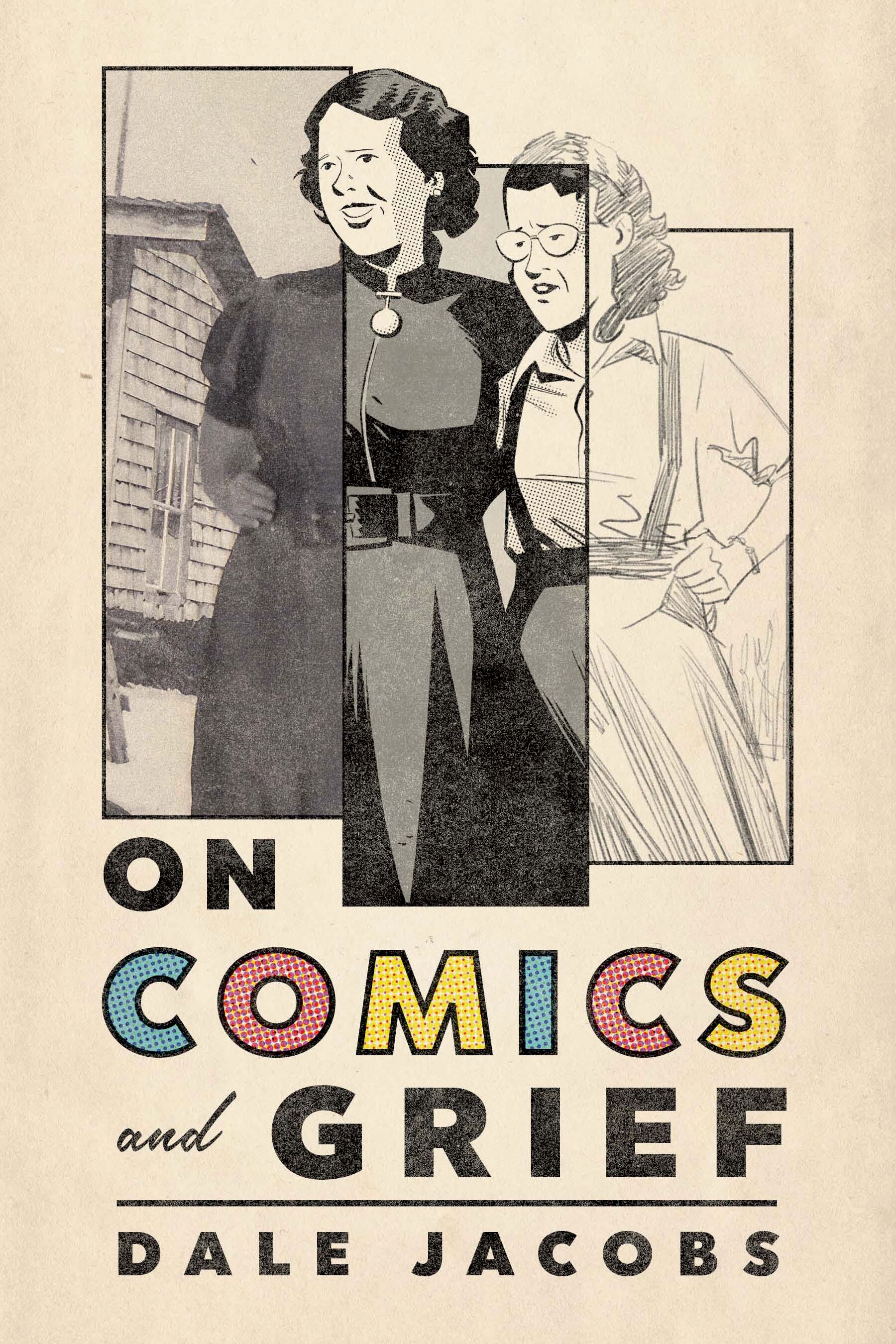
On Comics and Grief
Fragmented and hybrid in style, On Comics and Grief examines a year in comic book publishing and the author's grief surrounding his mother's death. This book connects grief, memory, nostalgia, personal history, theory, and multiple lines of comics studies inquiry in relation to the comic books of 1976. Structured around a year of comic books with a cover date of 1976, the year the author turned ten, the book is divided into an Introduction plus twelve sections, each a month of the publishing year. Two comic books are highlighted each month and examined through the interwoven lenses of creative nonfiction and comics studies. Through these twenty-four comics, the book addresses the major comic book publishers and virtually all genres of comics published in 1976. By pushing the ways in which the personal is used in comics studies, combining different modes of writing, and embracing a fragmentary style, the book explores what is possible in academic writing in general and comics studies in particular. On Comics and Grief both acts as a way for the author to process his grief and uses grief as a way to think about the comics themselves through the emotions and personal connections that underlie the work we do as scholars.
eBook

The Windsor Review: Moving Forward
Just as Eugene McNamara modelled the first iteration of The University of Windsor Review on Dalhousie Review, Queen's Quarterly, and The Kenyon Review, my own touchstone journals as I think about The Windsor Review moving forward are The Stinging Fly and Brevity. Rather than print, we'II do it through digital open access. [...]in addition to this focus on creative writing, the review as a genre in its own right will return.
Journal Article
