
Catalogue Search | MBRL


Are you sure you want to remove the book from the shelf?

{{itemTitle}}
214
result(s) for
"Jiang, Ligang"
Sort by:
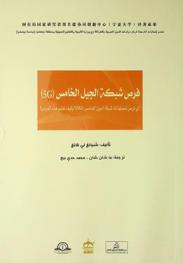
فرص شبكة الجيل الخامس (5G) : أي فرص تحملها لنا شبكة الجيل الخامس (5G) ؟ وكيف نغتنم هذه الفرص ؟
يثير الجيل الخامس (5G) متابعة العالم بأسره ويحظى أيضا باهتمام في الصين من القمة إلى القاعدة، وكل ذلك يبرهن على أمر معين وهو ما يتحلى به الناس من تطلع عميق تجاه الجيل الخامس (5G) بعد أن عشنا الجيل الرابع من الاتصالات (4G) ونحن على ثقة بأن الجيل الخامس (5G) يمثل فرصة كبرى لتغيير العالم ؛ فما الفرص التي سيجلب لنا الجيل الخامس (5G) يا ترى ؟ ومتى ستظهر هذه الفرص ؟ وكيف تغتنمها ؟ ؛ بعد فترة طويلة من المراقبة والتحليل والإحساس ومن خلال رسم خط مستقيم من الفرص ونظرة استشرافية شاركنا خبير الاتصالات شيانغ لي قانغ فرص الجيل الخامس (5G)، وهذا لم يسمح للمزيد من الناس بمعرفة ما الذي يعنيه الجيل الخامس (5G) فحسب، بل اطلعوا بشكل أوضح على ما يكن أن ينجز الجيل الخامس (5G) واستوعبوا أكثر من ذلك ما يمكن أن يفعله كل واحد منا من خلال الجيل الخامس (5G)
BOOK

Occult medial orbital wall trapdoor fracture inducing recurrent rhinogenic intraorbital abscess in a pediatric patient: a case report
Background
In pediatric populations, rhinogenic intraorbital abscess is frequently encountered, typically resulting from the direct extension of acute sinusitis. However, recurrent rhinogenic intraorbital abscess secondary to an occult medial orbital wall trapdoor fracture is extremely rare and often overlooked due to atypical trauma history and subtle imaging features.
Case presentation
An 11-year-old male pediatric patient experienced recurrent nasal congestion and rhinorrhea with redness, swelling, and pain of the left eye. He was first diagnosed with acute sinusitis, yet conventional anti-infective treatment failed to provide improvement. Radiological assessment indicated a left intraorbital abscess, and further history disclosed repeated facial injuries caused by basketball strikes. Although the preoperative Computed Tomography(CT) did not clearly show a fracture, the integration of clinical presentation and multidisciplinary evaluation indicated that an occult medial orbital wall trapdoor fracture was highly likely to have resulted in an anatomical vulnerability: on the one hand, it might impair normal sinus drainage; on the other hand, it could create subtle fissures, serving as a conduit for recurrent dissemination of sinus infection into the orbit, eventually leading to abscess development. The pediatric patient was treated with endoscopic total ethmoidectomy, frontal and sphenoid sinusotomy, and concurrent intraorbital abscess drainage, leading to significant symptomatic relief and no recurrence over a six-month follow-up period.
Conclusions
Occult medial orbital wall trapdoor fractures may underlie recurrent rhinogenic intraorbital abscess in pediatric patients, underscoring the importance of thorough trauma history assessment and high-resolution radiological evaluation. In the presence of ocular warning signs or recurrence, prompt endoscopic sinus surgery with intraorbital abscess drainage is recommended to control the etiology, remove the lesion, and optimize clinical outcomes.
Journal Article

An Adaptive Control Strategy for a Virtual Synchronous Generator Based on Exponential Inertia and Nonlinear Damping
The increasing incorporation of renewable energy into power grids has significantly reduced system inertia and damping, posing challenges to frequency stability and power quality. To address this issue, an adaptive virtual synchronous generator (VSG) control strategy is proposed, which dynamically adjusts virtual inertia and damping in response to real-time frequency variations. Virtual inertia is modulated by an exponential function according to the frequency variation rate, while damping is regulated via a hyperbolic tangent function, enabling minor support during small disturbances and robust compensation during severe events. Control parameters are optimized using an enhanced particle swarm optimization (PSO) algorithm based on a composite performance index that accounts for frequency deviation, overshoot, settling time, and power tracking error. Simulation results in MATLAB/Simulink under step changes, load fluctuations, and single-phase faults demonstrate that the proposed method reduces the frequency deviation by over 26.15% compared to fixed-parameter and threshold-based adaptive VSG methods, effectively suppresses power overshoot, and eliminates secondary oscillations. The proposed approach significantly enhances grid transient stability and demonstrates strong potential for application in power systems with high levels of renewable energy integration.
Journal Article

Atypical bilateral papilledema during the puerperium: a case report
To analyze a case of atypical bilateral papilledema in a puerperium woman, and to explore the pathogenic mechanism of pregnancy-related physiological changes, blood hypercoagulable state, immune abnormalities and abnormal structure of intracranial venous sinus, so as to provide reference for early diagnosis and intervention of similar cases.
A 28-year-old woman, 3 days post-operative from a cesarean section, presented at the hospital with decreased vision in her right eye. An examination revealed bilateral papilledema. She did not have typical symptoms like dizziness, headache, or pulsatile tinnitus. During pregnancy, she had taken hydroxychloroquine orally for 5 months due to elevated immune indexes. She also received anticoagulant therapy for lower extremity venous thrombosis a month prior and had a history of cerebrospinal fluid leakage repair for intracranial hypotension syndrome a year ago. Fundus photography and OCT showed bilateral papilledema and macular edema in the right eye, with slightly enlarged physiological blind spots in both eyes. Her pre-pregnancy BMI was 16.5, and postpartum BMI was 22. Laboratory tests indicated a D-dimer level exceeding 20 mg/L and abnormal immune indicators. Ophthalmic color Doppler ultrasound demonstrated bilateral optic nerve sheath widening, with measurements of 0.625 cm on the right and 0.590 cm on the left, suggesting potential elevated intracranial pressure. MRV detected stenosis in the right distal sigmoid sinus and proximal transverse sinus, while the left sigmoid sinus and transverse sinus were not visualized. The patient was diagnosed with increased intracranial pressure caused by multiple factors. Treatment with mannitol to reduce intracranial pressure, along with anticoagulation and other supportive and symptomatic treatments, was administered. After 1 week, macular edema in the right eye subsided, vision improved, and bilateral papilledema slowly improved.
This case provides multi-dimensional clinical evidence for the differential diagnosis of puerperium papilledema. For patients with low BMI and atypical symptoms of bilateral papilledema during puerperium, it is necessary to be alert to multiple pathogenic factors. It is recommended to preferentially screen intracranial venous sinus lesions and detect immune indicators by imaging. Ocular ultrasound can be used as a non-invasive screening method for intracranial hypertension.
Journal Article

The association between serum S100β levels and prognosis in acute stroke patients after intravenous thrombolysis: a multicenter prospective cohort study
Background
S100β is a biomarker of astroglial damage, the level of which is significantly increased following brain injury. However, the characteristics of S100β and its association with prognosis in patients with acute ischemic stroke following intravenous thrombolysis (IVT) remain unclear.
Methods
Patients in this multicenter prospective cohort study were prospectively and consecutively recruited from 16 centers. Serum S100β levels were measured 24 h after IVT. National Institutes of Health Stroke Scale (NIHSS) and hemorrhagic transformation (HT) were measured simultaneously. NIHSS at 7 days after stroke, final infarct volume, and modified Rankin Scale (mRS) scores at 90 days were also collected. An mRS score ≥ 2 at 90 days was defined as an unfavorable outcome.
Results
A total of 1072 patients were included in the analysis. The highest S100β levels (> 0.20 ng/mL) correlated independently with HT and higher NIHSS at 24 h, higher NIHSS at 7 days, larger final infarct volume, and unfavorable outcome at 3 months. The patients were divided into two groups based on dominant and non-dominant stroke hemispheres. The highest S100β level was similarly associated with the infarct volume in patients with stroke in either hemisphere (dominant:
β
36.853, 95% confidence interval (CI) 22.659–51.048,
P
< 0.001; non-dominant:
β
23.645, 95% CI 10.774–36.516,
P
= 0.007). However, serum S100β levels at 24 h were more strongly associated with NIHSS scores at 24 h and 3-month unfavorable outcome in patients with dominant hemisphere stroke (NIHSS:
β
3.470, 95% CI 2.392–4.548,
P
< 0.001; 3-month outcome: odds ratio (OR) 5.436, 95% CI 2.936–10.064,
P
< 0.001) than in those with non-dominant hemisphere stroke (NIHSS:
β
0.326, 95% CI − 0.735–1.387,
P
= 0.547; 3-month outcome: OR 0.882, 95% CI 0.538–1.445,
P
= 0.619). The association of S100β levels and HT was not significant in either stroke lateralization group.
Conclusions
Serum S100β levels 24 h after IVT were independently associated with HT, infarct volume, and prognosis in patients with IVT, which suggests the application value of serum S100β in judging the degree of disease and predicting prognosis.
Journal Article

Exploring the effect of gestational diabetes mellitus on retinal vascular morphology by PKSEA-Net
Gestational diabetes mellitus (GDM) is a temporary metabolic disorder in which small retinal vessels may have experience subtle changes before clinical lesions of the fundus retina appear. An innovative artificial intelligence image processing technology was applied to locate and analyze the small retinal vessel morphology and accurately evaluate the changes of the small retinal vessels in GDM patients and pregnant women with normal blood glucose and non-pregnant women with normal blood glucose.
The subjects were divided into three groups:GDM group, pregnant control group (PC), and normal control group (NC). Use optical coherence tomography angiography (OCTA) to collect OCT images of subjects,and perform quantitative identification and analysis of retinal vessel parameters based on artificial intelligence measurement software integrated the prior knowledge supervised edge-aware multi-task network (PKSEA-Net): Retinal arteriolar lumen diameter (RALD), retinal arteriolar outer diameter (RAOD), retinal venular lumen diameter (RVLD),retinal venular outer diameter (RVOD),arterial wall thickness (AWT),venular wall thickness (VWT),arterial wall to lumen ratio (AWLR),venular wall to lumen ratio (VWLR),arterial wall cross-sectional area (AWCSA),venular wall cross-sectional area (VWCSA), arteriovenous ratio (AVR).
This study revealed significant differences in RVOD, RVLD, VWT, VWCSA and AVR between the GDM group and the PC group (
= 0.005,
< 0.027,
= 0.008,
= 0.001,
= 0.022), significant differences in RVOD, RVLD, VWT, VWCSA and AVR between the GDM group and the NC group (
< 0.001,
= 0.001,
< 0.001,
< 0.001,
= 0.001). In GDM group, RVOD, RVLD, VWT and VWCSA increased, while AVR decreased. There were no significant differences in RVOD, RVLD, VWT, VWCSA and AVR between PC group and NC group (
= 0.139,
= 0.263,
= 0.107,
= 0.059,
= 0.218), and no significant differences in VWLR among the three groups (
> 0.05). No significant difference was observed in retinal artery vascular parameters (RAOD, RALD, AWT, AWLR, AWCSA) across the three groups (
> 0.05).
There were increases in RVOD, RVLD, VWT, and VWCSA, decrease in AVR in patients with GDM. However, no significant difference of retinal vascular parameters was shown between normal pregnant women and normal non-pregnant women. PKSEA-Net can assist to identify changes in retinal vascular morphology and diagnose micro-vascular lesion early in normal pregnant women and high-risk groups of GDM.
Journal Article
A three-dimensional clinical teaching model integrating CBL and PBL for ophthalmology clerkship in traditional Chinese and Western medicine
Integrated traditional Chinese and Western medicine has shown clear advantages in the management of ophthalmic diseases. However, misalignment between traditional Chinese medicine syndrome differentiation and Western pathological classification, overemphasis on Western diagnostic and therapeutic procedures, and insufficient training in traditional Chinese medicine techniques continue to constrain teaching quality in ophthalmology.
This single-center prospective interventional study implemented a three-dimensional integrated traditional Chinese and Western medicine teaching model that combined case-based learning and problem-based learning, and compared teaching outcomes in 156 medical students before and after the intervention.
The new teaching model received a mean satisfaction score of 4.54 ± 0.33 on a five-point Likert scale. Compared with baseline, students showed significantly higher classroom participation (92.0 ± 4.5% compared with 64.0 ± 8.5%,
< 0.001), comprehensive examination scores (92.0 ± 4.0 compared with 77.0 ± 5.5,
< 0.001), and overall autonomous learning ability scores (4.54 ± 0.33 compared with 3.20 ± 0.45,
< 0.001). Additional improvements were observed in independent literature review frequency (3.5 ± 0.4 compared with 1.2 ± 0.3 times per week,
< 0.001), acupuncture point location accuracy (95.0% compared with 84.0%,
< 0.001), and Western medicine examination scores (95.5 ± 3.1 compared with 80.5 ± 4.2,
< 0.001).
The three-dimensional integrated traditional Chinese and Western medicine teaching model effectively enhanced ophthalmology teaching quality and helped cultivate medical students with integrated traditional Chinese and Western medicine competencies, as reflected by improved student engagement, autonomous learning, and clinical skill mastery.
Journal Article

Effect of Acrylamide on Oocyte Nuclear Maturation and Cumulus Cells Apoptosis in Mouse In Vitro
Acrylamide (ACR) is a chemical compound with severe neurotoxicity, genotoxicity, carcinogenicity and reproductive toxicity. Recent studies showed that ACR impairs the function of reproductive organs, e.g., epididymis and testes. In vitro maturation of mouse oocyte is a sensitive assay to identify potential chemical hazard to female fertility. The aim of this study was to evaluate the adverse effects of ACR on the nuclear maturation and cumulus cells apoptosis of mouse oocytes in vitro. Cumulus-oocyte complexes were incubated in a maturation medium containing 0, 5, 10 and 20 μM of ACR. Chromosome alignment and spindle morphology of oocytes was determined by immunofluorescence and confocal microscopy. Our results showed that oocytes exposed to different doses of ACR in vitro were associated with a significant decrease of oocyte maturation, significant increase of chromosome misalignment rate, occurrence of abnormal spindle configurations, and the inhibition of oocyte parthenogenetic activation. Furthermore, apoptosis of cumulus cells was determined by TUNEL and CASPASE-3 assay. Results showed that apoptosis in cumulus cells was enhanced and the expression of CASPASE-3 was increased after cumulus-oocyte complexes were exposed to ACR. Therefore, ACR may affect the nuclear maturation of oocytes via the apoptosis of cumulus cells in vitro.
Journal Article
Application of the full-width-at-half-maximum image segmentation method to analyse retinal vascular changes in patients with internal carotid artery stenosis
To investigate the correlation between retinal vascular changes and ICA stenosis by measuring retinal vessels using full-width-at-half-maximum (FWHM) and intelligent image recognition.
This research selected patients who were admitted to the Vascular Surgery Department of Quzhou People's Hospital from January 2018 to December 2020 and were preparing for Carotid Artery Stenting (CAS). Participants were divided into two groups: without ICA stenosis (Group 0) and with ICA stenosis (Group 1). A total of 109 cases were included in the study, with 50 cases in Group 1 and 59 cases in Group 0. Vascular images of superior temporal zone B of the retina were obtained by spectral domain optical coherence tomography (SD-OCT). The edges of retinal vessels were identified by FWHM. Each vessel of all subjects was measured three times with the FWHM, and the average value was taken to obtain the retinal arteriolar lumen diameter (RALD), retinal arteriolar outer diameter (RAOD), retinal venular lumen diameter (RVLD), and retinal venular outer diameter (RVOD),Arterial Wall Thickness (AWT),Venular Wall Thickness (VWT)=(RVOD-RVLD)/2,Arteriovenous Ratio (AVR) = RAOD/RVOD.
We found that compared to Group 0, Group 1 had smaller RALD (
< 0.001) and RAOD (
< 0.001), and wider RVOD (
< 0.001), with thicker VWT (
< 0.001). When compared with the contralateral eye in Group 1, the ipsilateral eye exhibited even smaller RALD,RAOD and AVR (
< 0.001,
< 0.001,
< 0.001). After CAS, the RALD,RAOD and AVR in Group 1 increased (
< 0.001,
< 0.001,
< 0.001),while the RVLD and RVOD decreased (
< 0.05,
< 0.001). Our research reveals a significant correlation between retinal vascular changes and internal ICA stenosis.
Utilizing SD-OCT in conjunction with the FWHM,we achieved a non-invasive, intelligent, stable, and precise acquisition of data pertaining to retinal vessels. These findings underscore a significant correlation between alterations in retinal vascular structure and the presence of ICA stenosis, as demonstrated by our research.
Journal Article
Effects of Aroclor 1254 on In Vivo Oocyte Maturation in the Mouse
Polychlorinated biphenyls (PCBs) are stable, lipophilic compounds that accumulate in the environment and in the food chain. Though some studies provided evidence that PCBs had adverse effects on reproductive function, most of these results were from in vitro models. Therefore we investigated the effect of Aroclor 1254 (a commercial PCBs mixture) treatments on in vivo maturation and developmental potential of mouse oocytes. In the present study, female ICR mice were treated with different doses (12.5, 25 and 50 mg/kg) of Aroclor 1254 (a commercial PCB mixture) once every 72 hours by intraperitoneal injection for 9 days. After three treatments of Aroclor 1254, the mice were superovulated to collect oocytes one day after the last exposure. The effects of Aroclor 1254 on oocyte maturation, fertilization, and preimplantation embryonic development were investigated. Immunofluorescence-stained oocytes were observed under a confocal microscope to assess the effects of Aroclor 1254 on spindle morphology. Parthenogenic activation and the incidence of cumulus apoptosis in cumulus-oocyte complexes were observed as well. Oocytes exposed to different doses of Aroclor 1254 in vivo were associated with a significant decrease in outgrowth potential, abnormal spindle configurations, and the inhibition of parthenogenetic activation of ovulated oocytes. Furthermore, the incidence of apoptosis in cumulus cells was increased after exposed to Aroclor 1254. These results may provide reference for the treatment of reproductive diseases such as infertility or miscarriage caused by environmental contaminants.
Journal Article