
Catalogue Search | MBRL


Are you sure you want to remove the book from the shelf?

{{itemTitle}}
332,943
result(s) for
"John, M."
Sort by:


Long-term safety and activity of axicabtagene ciloleucel in refractory large B-cell lymphoma (ZUMA-1): a single-arm, multicentre, phase 1–2 trial
Axicabtagene ciloleucel is an autologous anti-CD19 chimeric antigen receptor (CAR) T-cell therapy. In the previous analysis of the ZUMA-1 registrational study, with a median follow-up of 15·4 months (IQR 13·7–17·3), 89 (82%) of 108 assessable patients with refractory large B-cell lymphoma treated with axicabtagene ciloleucel achieved an objective response, and complete responses were noted in 63 (58%) patients. Here we report long-term activity and safety outcomes of the ZUMA-1 study.
ZUMA-1 is a single-arm, multicentre, registrational trial at 22 sites in the USA and Israel. Eligible patients were aged 18 years or older, and had histologically confirmed large B-cell lymphoma—including diffuse large B-cell lymphoma, primary mediastinal B-cell lymphoma, and transformed follicular lymphoma—according to the 2008 WHO Classification of Tumors of Hematopoietic and Lymphoid Tissue; refractory disease or relapsed after autologous stem-cell transplantation; an Eastern Cooperative Oncology Group performance status of 0 or 1; and had previously received an anti-CD20 monoclonal antibody containing-regimen and an anthracycline-containing chemotherapy. Participants received one dose of axicabtagene ciloleucel on day 0 at a target dose of 2 × 10⁶ CAR T cells per kg of bodyweight after conditioning chemotherapy with intravenous fludarabine (30 mg/m2 body-surface area) and cyclophosphamide (500 mg/m2 body-surface area) on days −5, −4, and −3. The primary endpoints were safety for phase 1 and the proportion of patients achieving an objective response for phase 2, and key secondary endpoints were overall survival, progression-free survival, and duration of response. Pre-planned activity and safety analyses were done per protocol. ZUMA-1 is registered with ClinicalTrials.gov, number NCT02348216. Although the registrational cohorts are closed, the trial remains open, and recruitment to extension cohorts with alternative endpoints is underway.
Between May 19, 2015, and Sept 15, 2016, 119 patients were enrolled and 108 received axicabtagene ciloleucel across phases 1 and 2. As of the cutoff date of Aug 11, 2018, 101 patients assessable for activity in phase 2 were followed up for a median of 27·1 months (IQR 25·7–28·8), 84 (83%) had an objective response, and 59 (58%) had a complete response. The median duration of response was 11·1 months (4·2–not estimable). The median overall survival was not reached (12·8–not estimable), and the median progression-free survival was 5·9 months (95% CI 3·3–15·0). 52 (48%) of 108 patients assessable for safety in phases 1 and 2 had grade 3 or worse serious adverse events. Grade 3 or worse cytokine release syndrome occurred in 12 (11%) patients, and grade 3 or worse neurological events in 35 (32%). Since the previous analysis at 1 year, additional serious adverse events were reported in four patients (grade 3 mental status changes, grade 4 myelodysplastic syndrome, grade 3 lung infection, and two episodes of grade 3 bacteraemia), none of which were judged to be treatment related. Two treatment-related deaths (due to haemophagocytic lymphohistiocytosis and cardiac arrest) were previously reported, but no new treatment-related deaths occurred during the additional follow-up.
These 2-year follow-up data from ZUMA-1 suggest that axicabtagene ciloleucel can induce durable responses and a median overall survival of greater than 2 years, and has a manageable long-term safety profile in patients with relapsed or refractory large B-cell lymphoma.
Kite and the Leukemia & Lymphoma Society Therapy Acceleration Program.
Journal Article


The Eastern Origins of Western Civilisation
John Hobson challenges the ethnocentric bias of mainstream accounts of the Rise of the West. It is often assumed that since Ancient Greek times Europeans have pioneered their own development, and that the East has been a passive by-stander in the story of progressive world history. Hobson argues that there were two processes that enabled the Rise of the 'Oriental West'. First, each major developmental turning point in Europe was informed in large part by the assimilation of Eastern inventions (e.g. ideas, technologies and institutions) which diffused from the more advanced East across the Eastern-led global economy between 500–1800. Second, the construction of European identity after 1453 led to imperialism, through which Europeans appropriated many Eastern resources (land, labour and markets). Hobson's book thus propels the hitherto marginalised Eastern peoples to the forefront of the story of progress in world history.
eBook


KTE-X19 CAR T-Cell Therapy in Relapsed or Refractory Mantle-Cell Lymphoma
Patients with mantle-cell lymphoma who have a relapse after chemotherapy and anti-CD20 and BTK inhibitor therapy have a poor prognosis. An injection of CD19-directed CAR T cells induced a complete response in 59% of patients; 78% with a complete response were in remission at 1 year. About two thirds of patients had serious adverse events, a finding consistent with previous data.
Journal Article

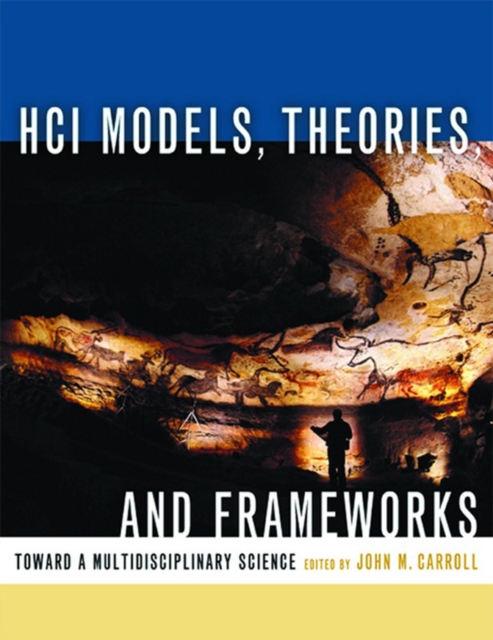
HCI models, theories, and frameworks : toward a multidisciplinary science
HCI Models, Theories, and Frameworks provides a thorough pedagological survey of the science of Human-Computer Interaction (HCI).HCI spans many disciplines and professions, including anthropology, cognitive psychology, computer graphics, graphical design, human factors engineering, interaction design, sociology, and software engineering.
eBook


Predicting Spray Dried Dispersion Particle Size Via Machine Learning Regression Methods
Spray dried dispersion particle size is a critical quality attribute that impacts bioavailability and manufacturability of the spray drying process and final dosage form. Substantial experimentation has been required to relate formulation and process parameters to particle size with the results limited to a single active pharmaceutical ingredient (API). This is the first study that demonstrates prediction of particle size independent of API for a wide range of formulation and process parameters at pilot and commercial scale. Additionally we developed a strategy with formulation and target particle size as inputs to define a set of “first to try” process parameters. An ensemble machine learning model was created to predict dried particle size across pilot and production scale spray dryers, with prediction errors between −7.7% and 18.6% (25th/75th percentiles) for a hold-out evaluation set. Shapley additive explanations identified how changes in formulation and process parameters drove variations in model predictions of dried particle size and were found to be consistent with mechanistic understanding of the particle formation process. Additionally, an optimization strategy used the predictive model to determine initial estimates for process parameter values that best achieve a target particle size for a provided formulation. The optimization strategy was employed to estimate process parameters in the hold-out evaluation set and to illustrate selection of process parameters during scale-up. The results of this study illustrate how trained regression models can reduce the experimental effort required to create an in-silico design space for new molecules during early-stage process development and subsequent scale-up.
Journal Article