
Catalogue Search | MBRL


Are you sure you want to remove the book from the shelf?

{{itemTitle}}
52
result(s) for
"Joyce, Hester"
Sort by:

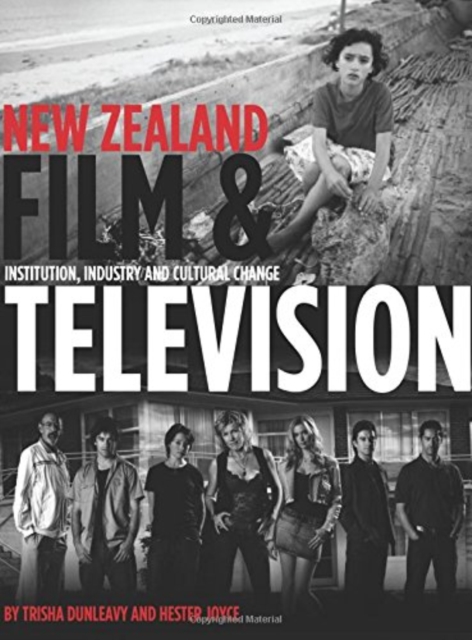
New zealand film and television
Notwithstanding the challenges of a limited population size and the struggle to fund such costly forms of screen production as high-end film and television, both of these New Zealand screen industries have been the site of significant expectation, achievement and cultural influence. Whilst there is a growing body of academic work on New Zealand film and television, relatively little exists on industries, institutions and policy, which this book will address. Written by renowned experts in the field, Trisha Dunelavy and Hester Joyce, this book will provide an authoritative text on the emergence and significance of New Zealand film and television as major cultural and creative industries.
eBook

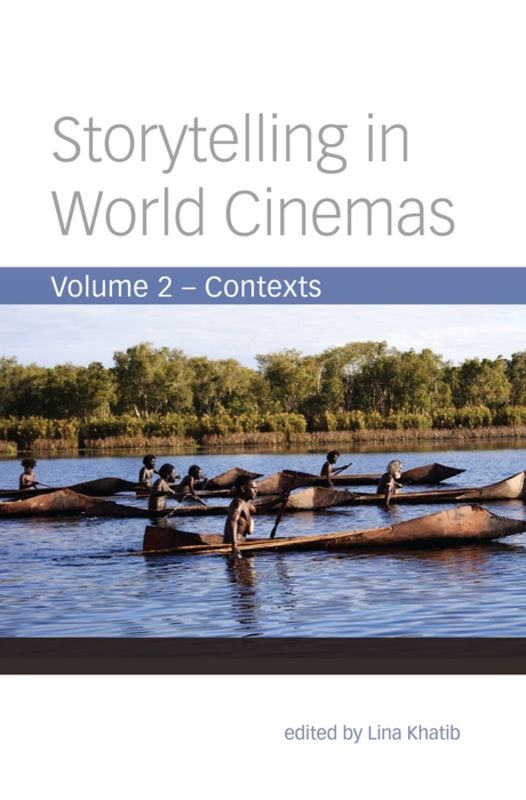
Storytelling in World Cinemas
Storytelling in World Cinemas, Vol. 2: Contexts addresses the questions of what and why particular stories are told in films around the world, both in terms of the forms of storytelling used, and of the political, religious, historical, and social contexts informing cinematic storytelling. Drawing on films from all five continents, the book approaches storytelling from a cultural/historical multidisciplinary perspective, focusing on the influence of cultural politics, postcolonialism, women's social and cultural positions, and religious contexts on film stories. Like its sister volume, Storytelling in World Cinemas, Vol. 1: Forms, this book is an innovative addition to the academic study of world cinemas.
eBook
Taonga (cultural treasures)
To speak of Maori storytelling within New Zealand’s national cinema is to call up the land’s histories and its people’s memories. To write, as I am, asmanuhiri(visitor), as Pakeha (settler), about Maori film suggests engagement. So I begin with the words of two filmmakers, Barry Barclay and Merata Mita whose bodies of work reflect an ongoing articulation of issues central to the representation of their people on screen.¹ Barclay’s work includes short films, television documentaries, documentary and narrative feature films as well as a body of writing about Maori and indigenous representation. Mita’s body of work encompasses a
Book Chapter
