
Catalogue Search | MBRL


Are you sure you want to remove the book from the shelf?

{{itemTitle}}
3
result(s) for
"Jung, C. G. (Carl Gustav), 1875-1961. Analytical psychology"
Sort by:
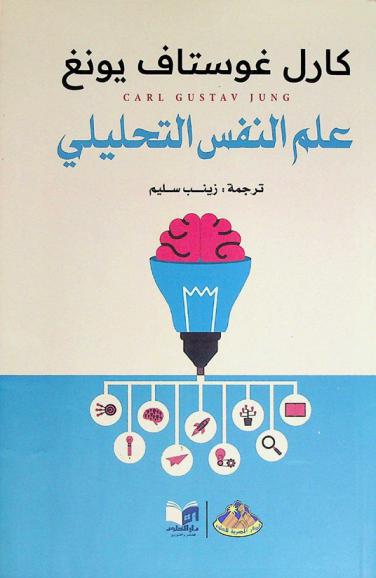
علم النفس التحليلي 1 / 2
يعرض الكتاب مفاهيم يونغ الأساسية مثل اللاوعي الجمعي، الأنيما والأنيموس، الذات، والظل، ويوضح الفرق بين اللاشعور الشخصي واللاشعور الجمعي، يناقش دور الرموز والأحلام في فهم النفس، ويبرز أهمية التحليل الفردي في تحقيق التوازن النفسي، الكتاب يظهر كيف يسهم علم النفس التحليلي في فهم الشخصية والنمو الداخلي عبر الاندماج مع مكونات النفس غير الواعية.
BOOK

Introduction to Jungian psychology
In 1925, while transcribing and painting in his Red Book, C. G. Jung presented a series of seminars in English in which he spoke for the first time in public about his early spiritualistic experiences, his encounter with Freud, the genesis of his psychology, and the self-experimentation he called his \"confrontation with the unconscious,\" describing in detail a number of pivotal dreams and fantasies. He then presented an introductory overview of his ideas about psychological typology and the archetypes of the collective unconscious, illustrated with case material and discussions concerning contemporary art. He focused particularly on the contra-sexual elements of the personality, the anima and the animus, which he discussed with the participants through psychological analyses of popular novels, such as Rider Haggard's She. The notes from these seminars form the only reliable published autobiographical account by Jung and the clearest and most important account of the development of his work.
eBook
