
Catalogue Search | MBRL


Are you sure you want to remove the book from the shelf?

{{itemTitle}}
272
result(s) for
"Kern, Michael J."
Sort by:

A noninvasive fluorescence imaging-based platform measures 3D anisotropic extracellular diffusion
Diffusion is a major molecular transport mechanism in biological systems. Quantifying direction-dependent (i.e., anisotropic) diffusion is vitally important to depicting how the three-dimensional (3D) tissue structure and composition affect the biochemical environment, and thus define tissue functions. However, a tool for noninvasively measuring the 3D anisotropic extracellular diffusion of biorelevant molecules is not yet available. Here, we present light-sheet imaging-based Fourier transform fluorescence recovery after photobleaching (LiFT-FRAP), which noninvasively determines 3D diffusion tensors of various biomolecules with diffusivities up to 51 µm
2
s
−1
, reaching the physiological diffusivity range in most biological systems. Using cornea as an example, LiFT-FRAP reveals fundamental limitations of current invasive two-dimensional diffusion measurements, which have drawn controversial conclusions on extracellular diffusion in healthy and clinically treated tissues. Moreover, LiFT-FRAP demonstrates that tissue structural or compositional changes caused by diseases or scaffold fabrication yield direction-dependent diffusion changes. These results demonstrate LiFT-FRAP as a powerful platform technology for studying disease mechanisms, advancing clinical outcomes, and improving tissue engineering.
It is challenging to quantify anisotropic diffusion in biological systems. Here the authors report light-sheet imaging-based Fourier transform fluorescence recovery after photobleaching (LiFT-FRAP) to noninvasively determine 3D diffusion tensors of various biomolecules at physiological diffusivity.
Journal Article

Deletion of Cdkn1b in ACI rats leads to increased proliferation and pregnancy-associated changes in the mammary gland due to perturbed systemic endocrine environment
Mammary epithelial progenitors are the normal cell-of-origin of breast cancer. We previously defined a population of p27+ quiescent hormone-responsive progenitor cells in the normal human breast whose frequency associates with breast cancer risk. Here, we describe that deletion of the Cdkn1b gene encoding the p27 cyclin-dependent kinase inhibitor in the estrogen-induced mammary tumor-susceptible ACI rat strain leads to a decrease in the relative frequencies of Cd49b+ mammary luminal epithelial progenitors and pregnancy-related differentiation. We show by comprehensive gene expression profiling of purified progenitor and differentiated mammary epithelial cell populations that p27 deletion has the most pronounced effects on luminal progenitors. Cdkn1b-/- females have decreased fertility, but rats that are able to get pregnant had normal litter size and were able to nurse their pups implying that loss of p27 in ACI rats does not completely abrogate ovarian function and lactation. Reciprocal mammary gland transplantation experiments indicate that the p27-loss-induced changes in mammary epithelial cells are not only caused by alterations in their intrinsic properties, but are likely due to altered hormonal signaling triggered by the perturbed systemic endocrine environment observed in Cdkn1b-/- females. We also observed a decrease in the frequency of mammary epithelial cells positive for progesterone receptor (Pr) and FoxA1, known direct transcriptional targets of the estrogen receptor (Erα), and an increase in phospho-Stat5 positive cells commonly induced by prolactin (Prl). Characterization of genome-wide Pr chromatin binding revealed distinct binding patterns in mammary epithelial cells of Cdkn1b+/+ and Cdkn1b-/- females and enrichment in genes with known roles in Notch, ErbB, leptin, and Erα signaling and regulation of G1-S transition. Our data support a role for p27 in regulating the pool size of hormone-responsive luminal progenitors that could impact breast cancer risk.
Journal Article

Electrical Conductivity Method to Determine Sexual Dimorphisms in Human Temporomandibular Disc Fixed Charge Density
To investigate potential mechanisms associated with the increased prevalence of temporomandibular joint (TMJ) disorders among women, the study objective was to determine sex-dependent and region-dependent differences in fixed charge density (FCD) using an electrical conductivity method. Seventeen TMJ discs were harvested from nine males (77 ± 4 years) and eight females (86 ± 4 years). Specimens were prepared from the anterior band, posterior band, intermediate zone, medial disc and lateral disc. FCD was determined using an electrical conductivity method, assessing differences among disc regions and between sexes. Statistical modeling showed significant effects for donor sex (p = 0.002), with cross-region FCD for male discs 0.051 ± 0.018 milliequivalent moles per gram (mEq/g) wet tissue and 0.043 ± 0.020 mEq/g wet tissue for female discs. FCD was significantly higher for male discs compared to female discs in the posterior band, with FCD 0.063 ± 0.015 mEq/g wet tissue for male discs and 0.032 ± 0.020 mEq/g wet tissue for female discs (p = 0.050). These results indicate FCD contributes approximately 20% towards TMJ disc compressive modulus, through osmotic swelling pressure regulation. Additionally, FCD regulates critical extracellular ionic/osmotic and nutrient environments. Sexual dimorphisms in TMJ disc FCD, and resulting differences in extracellular ionic/osmotic and nutrient environments, could result in altered mechano–electro-chemical environments between males and females and requires further study.
Journal Article

Changing topographic Hox expression in blood vessels results in regionally distinct vessel wall remodeling
The distinct topographic Hox expression patterns observed in vascular smooth muscle cells (VSMCs) of the adult cardiovascular system suggest that these transcriptional regulators are critical for maintaining region-specific physiological properties of blood vessels. To test this proposition, we expanded the vascular Hoxc11 expression domain normally restricted to the lower limbs by utilizing an innovative integrated tetracycline regulatory system and Transgelin promoter elements to induce Hoxc11 expression universally in VSMCs of transgenic mice. Ectopic Hoxc11 expression in carotid arteries, aortic arch and descending aorta resulted in drastic vessel wall remodeling involving elastic laminae fragmentation, medial smooth muscle cell loss, and intimal lesion formation. None of these alterations were observed upon induction of Hoxc11 transgene expression in the femoral artery, i.e. the natural Hoxc11 activity domain, although this vessel was greatly enlarged, comparable to the topographically restricted vascular changes seen in Hoxc11−/− mice. To begin defining Hoxc11-controlled pathways of vascular remodeling, we performed immunolabeling studies in conjunction with co-transfection and chromatin immunoprecipitation (ChIP) assays using mouse vascular smooth muscle (MOVAS) cells. The results suggest direct transcriptional control of two members of the matrix metalloproteinase (Mmp) family, including Mmp2 and Mmp9 that are known as key players in the inception and progression of vascular remodeling events. In summary, the severe vascular abnormalities resulting from the induced dysregulated expression of a Hox gene with regional vascular patterning functions suggest that proper Hox function and regulation is critical for maintaining vascular functional integrity.
Journal Article

The Nude Mutant Gene Foxn1 Is a HOXC13 Regulatory Target during Hair Follicle and Nail Differentiation
Among the Hox genes, homeobox C13 (Hoxc13) has been shown to be essential for proper hair shaft differentiation, as Hoxc13 gene-targeted (Hoxc13tm1Mrc) mice completely lack external hair. Because of the remarkable overt phenotypic parallels to the Foxn1nu (nude) mutant mice, we sought to determine whether Hoxc13 and forkhead box N1 (Foxn1) might act in a common pathway of hair follicle (HF) differentiation. We show that the alopecia exhibited by both the Hoxc13tm1Mrc and Foxn1nu mice is because of strikingly similar defects in hair shaft differentiation and that both mutants suffer from a severe nail dystrophy. These phenotypic similarities are consistent with the extensive overlap between Hoxc13 and Foxn1 expression patterns in the HF and the nail matrix. Furthermore, DNA microarray analysis of skin from Hoxc13tm1Mrc mice identified Foxn1 as significantly downregulated along with numerous hair keratin genes. This Foxn1 downregulation apparently reflects the loss of direct transcriptional control by HOXC13 as indicated by our results obtained through co-transfection and chromatin immunoprecipitation (ChIP) assays. As presented in the discussion, these data support a regulatory model of keratinocyte differentiation in which HOXC13-dependent activation of Foxn1 is part of a regulatory cascade controlling the expression of terminal differentiation markers.
Journal Article

The region-dependent biomechanical and biochemical properties of bovine cartilaginous endplate
Regional biomechanical and biochemical properties of bovine cartilaginous endplate (CEP) and its role in disc mechanics and nutrition were determined. The equilibrium aggregate modulus and hydraulic permeability between the central and lateral regions were examined by confined compression testing. Biochemical assays were conducted to quantify the amount of water, collagen, and glycosaminoglycan (GAG). The equilibrium aggregate modulus of the CEP in the central region (0.23±0.15MPa) was significantly lower than for the lateral region (0.83±0.26MPa). No significant regional difference was found for the permeability of the CEP (central region: 0.13±0.07×10⁻¹⁵m4/Ns and lateral region: 0.09±0.03×10⁻¹⁵m4/Ns). CEPs were an average of 75.6% water by wet weight, 41.1% collagen, and 20.4% GAG by dry weight in the central region, as well as an average of 70.2% water by wet weight, 73.8% collagen, and 11.7% GAG by dry weight in the lateral region. Regional differences observed for the equilibrium aggregate modulus were likely due to the regional variation in biochemical composition. The lateral bovine endplate is much stiffer and may share a greater portion of the load. Compared with the nucleus pulposus (NP) and annulus fibrosus (AF), a smaller hydraulic permeability was found for the CEP in both the central and lateral regions, which could be due to its lower water content and higher collagen content. Our results suggest that the CEP may block rapid fluid exchange and solute convection, allow pressurization of the interstitial fluid, and play a significant role in nutrient supply in response to loading.
Journal Article
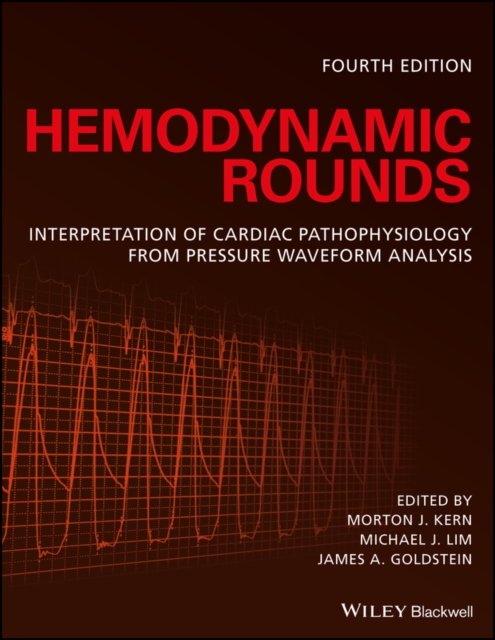
Hemodynamic Rounds
The essential resource on cardiac hemodynamics—now in a new edition Hemodynamic Rounds, Fourth Edition is intended to help cardiologists, cardiovascular fellowship trainees, residents and other members of the medical community enhance their understanding of cardiac physiology and its associated hemodynamic presentations in health and disease. This includes the basic principles of flow and pressure measurements, systemic as well as coronary hemodynamics in normal and diseased states, and changes in hemodynamics following interventional procedures ranging from TAVI and valvuloplasty to stent placement. Like its popular predecessors, this new edition draws on case studies to illustrate characteristic cardiac hemodynamic findings and discusses the essential methods used in interpreting pressure waveforms as a diagnostic and monitoring tool. The text is organized into chapters on specific areas of the heart, common cardiac pathophysiologic conditions, and hemodynamic situations resulting from different therapeutic procedures. It includes discussions of both normal and abnormal pressure waveforms. This new edition has been revised throughout to include brand new content on aortic and mitral valve stenosis and regurgitation as well as TAVI and mitral clip hemodynamics. Highlights include: * Essential and easy to understand resource for those required to interpret cardiac blood flow and blood pressure tracings * Covers hemodynamic assessment by cardiac disorder, plus the bedside applications of hemodynamics * Revised throughout and includes brand new content on valve stenosis and regurgitation and TAVI and mitral clip hemodynamics Hemodynamic Rounds: Interpretation of Cardiac Pathophysiology from Pressure Waveform Analysis, Fourth Edition is an indispensable tool for all physicians, nurses, and students responsible for measuring and interpreting cardiac waveforms in cardiac diagnosis and monitoring.
eBook

Human PRRX1 and PRRX2 genes: cloning, expression, genomic localization, and exclusion as disease genes for Nager syndrome
In this study, we extend our examination of the function of the Prrx1 (a.k.a Mhox, Prx1, K-2, and Pmx1) as well as Prrx2 (a.k.a. S8 and Prx2) genes by characterizing the expression of the human orthologs and their potential for causing specific human malformations. The expression pattern of PRRX2 and its close relative, PRRX1, were analyzed in human tissue by RT-PCR. Although the expression of these human genes is similar to their mouse orthologs, there are notable differences in expression. PRRX2 was detected in the human kidney and lung, whereas in mice and chickens neither of these tissues has been reported to express Prrx2. For PRRX1 the expression pattern was quite similar to other vertebrates, but the ratio of the two isoforms was reversed. To begin the search for the gene-disease connection, both genes were mapped to human chromosomes by FISH. The PRRX1 locus maps to 1q23, whereas the PRRX2 locus maps to 9q34.1. This localization, along with the recently described phenotypes of the gene-targeted Prrx1, Prrx2 and double mutant mice, enabled us to search the human disease databases for similar malformations. This examination suggested that mutations at the PRRX1 and/or PRRX2 loci could result in Nager Acrofacial Dysostosis (NAFD) syndrome. We obtained DNA samples from eight patients with NAFD, as well as two patients with Miller syndrome, and analyzed them for mutations in the PRRX1 and PRRX2 genes. The data excludes mutations in the presumed coding sequences of these genes from causing NAFD.
Journal Article

The Impact of Personal Resources, Job Resources and Job Demands on Nurse Engagement
In today’s VUCA (Volatile, Complex, Uncertain, and Ambiguous) world, the more we understand about how individual differences interact with the work environment to impact employee engagement the greater our chances are of making changes to lead to positive work outcomes regardless of the profession. There is no profession better suited for this type of investigation than that of nursing. Previous research has shown that more highly engaged nurses are able to provide better care and thus increase the chances of a more favorable outcome. There are many factors that can impact work engagement and one accepted model that helps to provide a framework for understanding it is the Job Demands-Resource model (JD-R; Bakker & Demerouti, 2007; 2008). Specifically, the JD-R model provides a theoretical framework to help examine how personal and job resources interact with the demands of the job to lead to outcomes such as employee engagement. To continue to advance the literature, one personal resources (i.e., personality) as well as several job resources (e.g., amount of teamwork and degree of autonomy) and job demands (structure of work tasks and emotional labor required to do the job) are associated with work engagement (Penney, David & Witt, 2011; Tett & Burnett, 2003) In order to better understand these factors, a field study was conducted with registered nurses (RNs) and assistant nurse managers (ANMs) across multiple hospitals belonging to a large healthcare system in the Northeastern United States. The study measured variables at 2-levels and conducted multilevel analysis where applicable. Small sample sizes, likely due to RN and ANM burnout from the COVID-19 pandemic, resulted in only one statistically significant finding. Higher levels of cooperativeness, an aspect of agreeableness from the Five Factor Model (FFM; Rossier, Meyer de Stadelhofen, & Berthoud, 2004), were related to higher levels of employee engagement. Since statistically significant results were not found, the answers to the questions posed in this paper still need to be answered. Further exploration of this topic is needed to fill a void in the existing literature. Future research should focus on further understanding how the JD-R model applies to nurses in different specialties and hospital types. Research should be focused on better understanding the facets of personality that predict the best fit and engagement in nursing specialties to then be used to better select and develop nurses.
Dissertation
A Denial of the Statement Attributed to MAYOR LATROBE IN THE EVENING NEWS IN REGARD TO HIS VISITORS ON SATURDAY, OCTOBER 13, 1888
In view of the misrepresentation of my interview with the Mayor, I will explain truthfully what transpired. On entering the office I said, \"Good morning,\" and then added that I had called to ask if he and his three aids, meaning the fire commissioners, were the sole contributors to the firemen's relief fund. He asked me to repeat it, which I did. He then...
Newspaper Article