
Catalogue Search | MBRL


Are you sure you want to remove the book from the shelf?

{{itemTitle}}
149
result(s) for
"Kerr, Matthew D."
Sort by:

Reinstatement of distributed cortical oscillations occurs with precise spatiotemporal dynamics during successful memory retrieval
Significance Our results represent significant contributions to understanding the neural mechanisms and spatiotemporal dynamics governing neural reinstatement in two important ways. First, by using a cued recall memory task, our paradigm offers experimental control over retrieval. We compare reinstatement during correct and incorrect retrieval, and provide evidence that retrieval recovers a gradually changing representation of temporal context. These data provide support for mental time travel hypothesized to underlie episodic memory. Second, leveraging the high temporal precision afforded by intracranial recordings, we investigate the precise timing of reinstatement and demonstrate that retrieval may reactivate cortical representations of a memory on a faster timescale than during encoding. Our data complement previous studies demonstrating faster replay of patterns associated with a prior episode.
Reinstatement of neural activity is hypothesized to underlie our ability to mentally travel back in time to recover the context of a previous experience. We used intracranial recordings to directly examine the precise spatiotemporal extent of neural reinstatement as 32 participants with electrodes placed for seizure monitoring performed a paired-associates episodic verbal memory task. By cueing recall, we were able to compare reinstatement during correct and incorrect trials, and found that successful retrieval occurs with reinstatement of a gradually changing neural signal present during encoding. We examined reinstatement in individual frequency bands and individual electrodes and found that neural reinstatement was largely mediated by temporal lobe theta and high-gamma frequencies. Leveraging the high temporal precision afforded by intracranial recordings, our data demonstrate that high-gamma activity associated with reinstatement preceded theta activity during encoding, but during retrieval this difference in timing between frequency bands was absent. Our results build upon previous studies to provide direct evidence that successful retrieval involves the reinstatement of a temporal context, and that such reinstatement occurs with precise spatiotemporal dynamics.
Journal Article

Spatial mapping of the biologic effectiveness of scanned particle beams: towards biologically optimized particle therapy
The physical properties of particles used in radiation therapy, such as protons, have been well characterized and their dose distributions are superior to photon-based treatments. However, proton therapy may also have inherent biologic advantages that have not been capitalized on. Unlike photon beams, the linear energy transfer (LET) and hence biologic effectiveness of particle beams varies along the beam path. Selective placement of areas of high effectiveness could enhance tumor cell kill and simultaneously spare normal tissues. However, previous methods for mapping spatial variations in biologic effectiveness are time-consuming and often yield inconsistent results with large uncertainties. Thus the data needed to accurately model relative biological effectiveness to guide novel treatment planning approaches are limited. We used Monte Carlo modeling and high-content automated clonogenic survival assays to spatially map the biologic effectiveness of scanned proton beams with high accuracy and throughput while minimizing biological uncertainties. We found that the relationship between cell kill, dose and LET, is complex and non-unique. Measured biologic effects were substantially greater than in most previous reports, and non-linear surviving fraction response was observed even for the highest LET values. Extension of this approach could generate data needed to optimize proton therapy plans incorporating variable RBE.
Journal Article

Immunomodulatory Microparticles Epigenetically Modulate T Cells and Systemically Ameliorate Autoimmune Arthritis
Disease modifying antirheumatic drugs (DMARDs) have improved the prognosis of autoimmune inflammatory arthritides but a large fraction of patients display partial or nonresponsiveness to front‐line DMARDs. Here, an immunoregulatory approach based on sustained joint‐localized release of all‐trans retinoic acid (ATRA), which modulates local immune activation and enhances disease‐protective T cells and leads to systemic disease control is reported. ATRA imprints a unique chromatin landscape in T cells, which is associated with an enhancement in the differentiation of naïve T cells into anti‐inflammatory regulatory T cells (Treg) and suppression of Treg destabilization. Sustained release poly‐(lactic‐co‐glycolic) acid (PLGA)‐based biodegradable microparticles encapsulating ATRA (PLGA‐ATRA MP) are retained in arthritic mouse joints after intra‐articular (IA) injection. IA PLGA‐ATRA MP enhance migratory Treg which in turn reduce inflammation and modify disease in injected and uninjected joints, a phenotype that is also reproduced by IA injection of Treg. PLGA‐ATRA MP reduce proteoglycan loss and bone erosions in the SKG and collagen‐induced arthritis mouse models of autoimmune arthritis. Strikingly, systemic disease modulation by PLGA‐ATRA MP is not associated with generalized immune suppression. PLGA‐ATRA MP have the potential to be developed as a disease modifying agent for autoimmune arthritis. This work reports a new intraarticular drug delivery strategy of a disease‐modifying agent that can promote durable disease remission in autoimmune arthritis. The agent protects joints from inflammation‐mediated damage while avoiding generalized suppression of immunity. The systemic effect is attributed to epigenetic modulation of T cells by the agent, which enhances and stabilizes disease‐protective regulatory T cells (Treg). [Image composed in part using BioRender.]
Journal Article
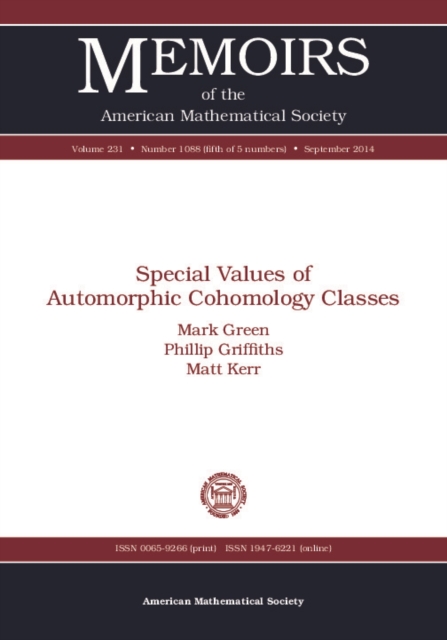
Special values of automorphic cohomology classes
We study the complex geometry and coherent cohomology of nonclassical Mumford-Tate domains and their quotients by discrete groups.
Our focus throughout is on the domains
Turning to the quotients, representation theory allows us to define
subspaces of
The representations related to
this result are certain holomorphic discrete series representations of
eBook

Biodegradable scaffolds for enhancing vaccine delivery
Sustained release of vaccine components is a potential method to boost efficacy compared with traditional bolus injection. Here, we show that a biodegradable hyaluronic acid (HA)‐scaffold, termed HA cryogel, mediates sustained antigen and adjuvant release in vivo leading to a durable immune response. Delivery from subcutaneously injected HA cryogels was assessed and a formulation which enhanced the immune response while minimizing the inflammation associated with the foreign body response was identified, termed CpG‐OVA‐HAC2. Dose escalation studies with CpG‐OVA‐HAC2 demonstrated that both the antibody and T cell responses were dose‐dependent and influenced by the competency of neutrophils to perform oxidative burst. In immunodeficient post‐hematopoietic stem cell transplanted mice, immunization with CpG‐OVA‐HAC2 elicited a strong antibody response, three orders of magnitude higher than dose‐matched bolus injection. In a melanoma model, CpG‐OVA‐HAC2 induced dose‐responsive prophylactic protection, slowing the tumor growth rate and enhancing overall survival. Upon rechallenge, none of the mice developed new tumors suggesting the development of robust immunological memory and long‐lasting protection against repeat infections. CpG‐OVA‐HAC2 also enhanced survival in mice with established tumors. The results from this work support the potential for CpG‐OVA‐HAC2 to enhance vaccine delivery.
Journal Article

Mumford-tate groups and domains
Mumford-Tate groups are the fundamental symmetry groups of Hodge theory, a subject which rests at the center of contemporary complex algebraic geometry. This book is the first comprehensive exploration of Mumford-Tate groups and domains. Containing basic theory and a wealth of new views and results, it will become an essential resource for graduate students and researchers.
Although Mumford-Tate groups can be defined for general structures, their theory and use to date has mainly been in the classical case of abelian varieties. While the book does examine this area, it focuses on the nonclassical case. The general theory turns out to be very rich, such as in the unexpected connections of finite dimensional and infinite dimensional representation theory of real, semisimple Lie groups. The authors give the complete classification of Hodge representations, a topic that should become a standard in the finite-dimensional representation theory of noncompact, real, semisimple Lie groups. They also indicate that in the future, a connection seems ready to be made between Lie groups that admit discrete series representations and the study of automorphic cohomology on quotients of Mumford-Tate domains by arithmetic groups. Bringing together complex geometry, representation theory, and arithmetic, this book opens up a fresh perspective on an important subject.
eBook
Immune‐responsive biodegradable scaffolds for enhancing neutrophil regeneration
Neutrophils are essential effector cells for mediating rapid host defense and their insufficiency arising from therapy‐induced side‐effects, termed neutropenia, can lead to immunodeficiency‐associated complications. In autologous hematopoietic stem cell transplantation (HSCT), neutropenia is a complication that limits therapeutic efficacy. Here, we report the development and in vivo evaluation of an injectable, biodegradable hyaluronic acid (HA)‐based scaffold, termed HA cryogel, with myeloid responsive degradation behavior. In mouse models of immune deficiency, we show that the infiltration of functional myeloid‐lineage cells, specifically neutrophils, is essential to mediate HA cryogel degradation. Post‐HSCT neutropenia in recipient mice delayed degradation of HA cryogels by up to 3 weeks. We harnessed the neutrophil‐responsive degradation to sustain the release of granulocyte colony stimulating factor (G‐CSF) from HA cryogels. Sustained release of G‐CSF from HA cryogels enhanced post‐HSCT neutrophil recovery, comparable to pegylated G‐CSF, which, in turn, accelerated cryogel degradation. HA cryogels are a potential approach for enhancing neutrophils and concurrently assessing immune recovery in neutropenic hosts.
Journal Article

Tricuspid valve disease prevalence and the impact of tricuspid valve surgery on cardiovascular events and hospital resource use in medicare beneficiaries
Tricuspid valve disease (TVD) is presumed common, however, little is known about its prevalence or the impact of tricuspid valve surgery (TVS) on healthcare resource use.
To describe the prevalence of TVD and assess the impact of TVS on resource utilization, Medicare Fee-For-Service beneficiaries from 2011 –2019 were assessed for the prevalence of non-rheumatic TVD. Hospital costs and rates of all-cause, cardiovascular (CV), and heart failure (HF) hospitalizations were compared in the 3 months pre TVS to acute (0-3 months) and chronic (3 –12 months) post TVS periods.
Among 80.3 million beneficiaries from 2011 – 2019 Q1, over 700,000 (0.9%) had non-rheumatic TVD with 1.4% undergoing TVS. Thirty-day and 1 year mortality after TVS was 5.5% to15.5%. Compared with pre-surgery, CV and HF hospitalizations decreased from 0.12 to 0.08 per patient-month (P <.001), and 0.06 to 0.04 (P <.001) acutely. All-cause hospitalizations increased from 0.18 per patient-month to 0.23 per patient-month acutely post-surgery (P <.001), before decreasing to 0.09 per patient-month chronically (P <.001). Hospital costs increased from $2,174 per patient-month to $4,171 per patient-month acutely (P < .001), before falling to $1,441 per patient-month (P < .001) chronically. Lower costs for HF and CV hospitalization in both acute (P = .028 and P < .001, respectively) and chronic (P < .001 for both) periods were observed.
TVS is associated with reduced CV and HF hospitalizations and associated hospital costs. Future work should determine whether transcatheter tricuspid valve repair offers similar or additional benefits.
Journal Article

An injectable bone marrow–like scaffold enhances T cell immunity after hematopoietic stem cell transplantation
Allogeneic hematopoietic stem cell transplantation (HSCT) is a curative treatment for multiple disorders, but deficiency and dysregulation of T cells limit its utility. Here we report a biomaterial-based scaffold that mimics features of T cell lymphopoiesis in the bone marrow. The bone marrow cryogel (BMC) releases bone morphogenetic protein-2 to recruit stromal cells and presents the Notch ligand Delta-like ligand-4 to facilitate T cell lineage specification of mouse and human hematopoietic progenitor cells. BMCs subcutaneously injected in mice at the time of HSCT enhanced T cell progenitor seeding of the thymus, T cell neogenesis and diversification of the T cell receptor repertoire. Peripheral T cell reconstitution increased ~6-fold in mouse HSCT and ~2-fold in human xenogeneic HSCT. Furthermore, BMCs promoted donor CD4+ regulatory T cell generation and improved survival after allogeneic HSCT. In comparison to adoptive transfer of T cell progenitors, BMCs increased donor chimerism, T cell generation and antigen-specific T cell responses to vaccination. BMCs may provide an off-the-shelf approach for enhancing T cell regeneration and mitigating graft-versus-host disease in HSCT.A bone marrow–like scaffold improves T cell regeneration after hematopoietic stem cell transplantation.
Journal Article

Flash CGM associated with event reduction in nonintensive diabetes therapy
We evaluated the effects of acquiring a flash continuous glucose monitoring (CGM) system in the population with type 2 diabetes (T2D) treated with basal or noninsulin therapy.OBJECTIVESWe evaluated the effects of acquiring a flash continuous glucose monitoring (CGM) system in the population with type 2 diabetes (T2D) treated with basal or noninsulin therapy.This was a retrospective database analysis of the IBM MarketScan Commercial Claims and Medicare Supplemental databases that assessed rates of acute diabetes-related events (ADEs) and all-cause inpatient hospitalizations (ACHs) in a large population with T2D treated with basal insulin therapy or noninsulin medications. ADE and ACH rates 6 months prior to and 6 months post CGM acquisition were compared.STUDY DESIGNThis was a retrospective database analysis of the IBM MarketScan Commercial Claims and Medicare Supplemental databases that assessed rates of acute diabetes-related events (ADEs) and all-cause inpatient hospitalizations (ACHs) in a large population with T2D treated with basal insulin therapy or noninsulin medications. ADE and ACH rates 6 months prior to and 6 months post CGM acquisition were compared.Inclusion criteria for analysis were diagnosis of T2D; age 18 years or older; treatment with long-acting, neutral protamine Hagedorn, or premixed insulin or noninsulin therapy; naïve to CGM; and acquisition of their flash CGM system between October 2017 and March 2019. Patients served as their own controls. Event rates were compared using weighted Cox regression with Andersen-Gill extension for repeat events.METHODSInclusion criteria for analysis were diagnosis of T2D; age 18 years or older; treatment with long-acting, neutral protamine Hagedorn, or premixed insulin or noninsulin therapy; naïve to CGM; and acquisition of their flash CGM system between October 2017 and March 2019. Patients served as their own controls. Event rates were compared using weighted Cox regression with Andersen-Gill extension for repeat events.A cohort of 10,282 adults with T2D (mean [SD] age, 53.1 [9.6] years; 51.9% male) who met inclusion criteria were assessed. ADE rates decreased from 0.076 to 0.052 events per patient-year (HR, 0.68; 95% CI, 0.58-0.80; P < .001). ACH rates decreased from 0.177 to 0.151 events per patient-year (HR, 0.85; 95% CI, 0.77-0.94; P = .002).RESULTSA cohort of 10,282 adults with T2D (mean [SD] age, 53.1 [9.6] years; 51.9% male) who met inclusion criteria were assessed. ADE rates decreased from 0.076 to 0.052 events per patient-year (HR, 0.68; 95% CI, 0.58-0.80; P < .001). ACH rates decreased from 0.177 to 0.151 events per patient-year (HR, 0.85; 95% CI, 0.77-0.94; P = .002).Acquisition of the flash CGM system was associated with significant reductions in outpatient and inpatient ADEs and ACHs. These findings provide compelling evidence that use of flash CGM in patients with T2D treated with basal insulin therapy or noninsulin therapy improves clinical outcomes and potentially reduces costs.CONCLUSIONSAcquisition of the flash CGM system was associated with significant reductions in outpatient and inpatient ADEs and ACHs. These findings provide compelling evidence that use of flash CGM in patients with T2D treated with basal insulin therapy or noninsulin therapy improves clinical outcomes and potentially reduces costs.
Journal Article