
Catalogue Search | MBRL


Are you sure you want to remove the book from the shelf?

{{itemTitle}}
18,515
result(s) for
"Kim, F. S"
Sort by:

Constellations
An illustrated introduction to constellations that explains how constellations are useful, who discovered them, and related topics.
Book

Evaluating the Effect of Financial Penalty on Hospital-Acquired Infections
This study explores the effects of CMS reimbursement financial penalties from the Hospital-Acquired Condition Reduction Program (HACRP) on hospital-acquired infections (HAI) in hospitals across the United States.
Hospital-level data for 2896 hospitals in the United States were evaluated using multiple linear regression models with random effects analysis through a difference-in-differences study design to examine HAIs under the HACRP between hospitals that were financially penalized or not from calendar years 2013 to 2020.
This study showed significant differences from the pre-program Total HAC scores to the most recent reviewed year, validating the efficacy of the HACRP, and showing a reduction of overall HAIs over the years evaluated in the study. The multiple linear regression model with random effects analysis produced a significant (
< 0.001) interaction term between hospitals expected to be penalized in 2013 and each year evaluated in the study (-0.412 estimate) confirming decreases in HAI scores, and overall decreases in HAIs across the years of the study. Notably, 98% of hospitals in the worst-performing, expected to be financially penalized quartile from 2013, were found to have decreased their HAIs in their facilities, while only 38.8% of hospital in the performing, non-penalized quartiles showed decreases in HAIs across their facilities, by 2020.
Our research indicates that implementing financial disincentives through reimbursement reductions could potentially decrease the incidence of HAIs. Our study further suggests that incorporating financial penalties and incentives for HAIs annually across all hospitals may lead to significant reductions in HAIs throughout the US healthcare system.
Journal Article

Parenting Styles, Motivational Orientations, and Self-Perceived Academic Competence: A Mediational Model
A mediational model is examined that stipulates motivational orientations as mediators between parenting styles and self-perceived academic competence. Three separate pathways were hypothesized: authoritarian parenting leading to extrinsic motivation, authoritative parenting to intrinsic motivation, and neglectful parenting to amotivation. These different motivational orientations were in turn related to self-perceived academic competence. The participants of this study were 404 Grades 8 and 9 high school students of both sexes in Hong Kong. Testing by multiple regression and structural equation modeling largely confirmed our mediational model. One significant modification to the original model was an extra pathway from authoritarian parenting to amotivation, suggesting that the former had a more generalized negative impact on motivation.
Journal Article

Analysis of technological conditions influence on efficiency of oilfield treatment
The results of influence of process parameters on oil quality and recommended effective technological modes of oilfield treatment processes are presented in this paper. It is shown that the parameters that significantly affect the efficiency of oil processes are temperature and water-oil emulsion flow rate with a given number of working process units and the structure of flowsheet flows.
Journal Article

Inducible Nitric Oxide Synthase Binds, S-Nitrosylates, and Activates Cyclooxygenase-2
Cyclooxygenase-2 (COX-2) and inducible nitric oxide synthase (iNOS) are two major inflammatory mediators. Here we show that iNOS specifically binds to COX-2 and S-nitrosylates it, enhancing COX-2 catalytic activity. Selectively disrupting iNOS-COX-2 binding prevented NO-mediated activation of COX-2. This synergistic molecular interaction between two inflammatory systems may inform the development of anti-inflammatory drugs.
Journal Article

S-nitrosylated GAPDH initiates apoptotic cell death by nuclear translocation following Siah1 binding
Glyceraldehyde-3-phosphate dehydrogenase (GAPDH) influences cytotoxicity, translocating to the nucleus during apoptosis. Here we report a signalling pathway in which nitric oxide (NO) generation that follows apoptotic stimulation elicits
S
-nitrosylation of GAPDH, which triggers binding to Siah1 (an E3 ubiquitin ligase), nuclear translocation and apoptosis.
S
-nitrosylation of GAPDH augments its binding to Siah1, whose nuclear localization signal mediates translocation of GAPDH. GAPDH stabilizes Siah1, facilitating its degradation of nuclear proteins. Activation of macrophages by endotoxin and of neurons by glutamate elicits GAPDH–Siah1 binding, nuclear translocation and apoptosis, which are prevented by NO deletion. The NO–
S
-nitrosylation–GAPDH–Siah1 cascade may represent an important molecular mechanism of cytotoxicity.
Journal Article
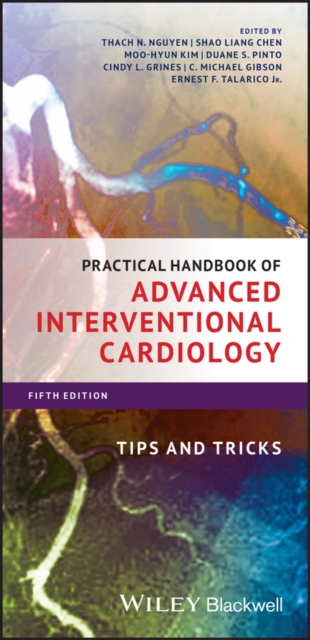
Practical Handbook of Advanced Interventional Cardiology
A concise and convenient pocket guide to interventional cardiology's latest procedures and technologies
Interventional cardiology is growing more and more integral to the modern-day management of cardiovascular problems. Indeed, trainees are taught interventional methods as a matter of course. With a widening range of options open to them, however, the practicing cardiologist must be diligent and discerning when selecting the appropriate course of action for each patient, adapting their strategy as circumstance demands. Developing the skills and experience necessary to make these key judgments can be a challenging and lengthy process.
Bringing together the knowledge of an international group of over 50 experts, this fifth edition of the Practical Handbook of Advanced Interventional Cardiology helps cardiologists of all levels to find interventional solutions to a wide range of problems. Its revised contents cover topics including new devices, valve procedures, and venous and atrial occlusion, and also feature new chapters on bioresorbable vascular scaffolds, protected percutaneous coronary intervention, coronary atherectomy, pulmonary embolism, and more. This essential companion:
* Offers clear, easy-to-follow guidance for cardiology practitioners of all levels of skill and experience
* Grades each strategic or tactical action by level of complexity
* Includes full-color clinical images and illustrations
* Covers all key interventional procedures and techniques
* Provides practical tips and tricks for handling difficult clinical scenarios and complications
The Practical Handbook of Advanced Interventional Cardiology is an invaluable resource for both practitioners and trainees in interventional cardiology and all related areas of cardiovascular medicine.
eBook

Arthroplasty of the Hip in Patients with Aplastic Anemia
BackgroundPatients with aplastic anemia are now living longer and therefore are at increased risk for the development of osteonecrosis of the hip. However, studies on the results of arthroplasty for the treatment of osteoarthritis of the hip in patients with aplastic anemia are lacking.MethodsTwenty-six primary hip prostheses (one bipolar prosthesis fixed with cement, two bipolar prostheses fixed without cement, three hybrid total hip prostheses, and twenty total hip prostheses fixed without cement) were implanted, between March 1990 and May 1992, in nineteen patients who had been diagnosed with aplastic anemia. A specific prospective protocol was followed for the perioperative transfusion of platelets and blood. Twenty-five hips were replaced because of osteonecrosis of the femoral head, and one was replaced because of a femoral neck fracture. The patients were followed prospectively, with preoperative and serial postoperative Harris hip ratings as well as radiographs, for a minimum of six years or until death.ResultsNo patient had excessive perioperative bleeding or a postoperative infection. After a mean duration of follow-up of seventy-nine months (range, seventy-two to ninety-five months), two patients had died with the original implant in place. No patients were lost to follow-up. The mean Harris hip score was 55 points (range, 42 to 68 points) preoperatively and 87 points (range, 56 to 95 points) at the time of the latest follow-up. At the time of this writing, no hip had been revised. One patient with a bipolar prosthesis had radiographic evidence of femoral loosening and will probably require revision. A second patient had some medial protrusion of a bipolar prosthesis, with mild symptoms. All of the acetabular components that had been fixed without cement and all of the other femoral components appeared to be stable on radiographs after a minimum of seventy-two months of follow-up.ConclusionsTotal hip arthroplasty can be performed safely in patients with aplastic anemia. In the present intermediate-term study, the durability of implant fixation was maintained and the clinical results demonstrated a sustained increase in function of the hip.
Journal Article
