
Catalogue Search | MBRL


Are you sure you want to remove the book from the shelf?

{{itemTitle}}
19,107
result(s) for
"Kim, Ju"
Sort by:

The racial mundane : Asian American performance and the embodied everyday
\"Across the twentieth century, national controversies involving Asian Americans have drawn attention to such seemingly unremarkable activities as eating rice, greeting customers, and studying for exams. While public debates about Asian Americans have invoked quotidian practices to support inconsistent claims about racial difference, diverse aesthetic projects have tested these claims by experimenting with the relationships among habit, body, and identity. In The Racial Mundane, Ju Yon Kim argues that the ambiguous relationship between behavioral tendencies and the body has sustained paradoxical characterizations of Asian Americans as ideal and impossible Americans. The body's uncertain attachment to its routine motions promises alternately to materialize racial distinctions and to dissolve them. Kim's study focuses on works of theater, fiction, and film that explore the interface between racialized bodies and everyday enactments to reveal new and latent affiliations. The various modes of performance developed in these works not only encourage audiences to see habitual behaviors differently, but also reveal the stakes of noticing such behaviors at all. Integrating studies of race, performance, and the everyday, The Racial Mundane invites readers to reflect on how and to what effect perfunctory behaviors become objects of public scrutiny\"--From publisher's website.
Book

Sex differences in the genetic architecture of depression
The prevalence and clinical characteristics of depressive disorders differ between women and men; however, the genetic contribution to sex differences in depressive disorders has not been elucidated. To evaluate sex-specific differences in the genetic architecture of depression, whole exome sequencing of samples from 1000 patients (70.7% female) with depressive disorder was conducted. Control data from healthy individuals with no psychiatric disorder (n = 72, 26.4% female) and East-Asian subpopulation 1000 Genome Project data (n = 207, 50.7% female) were included. The genetic variation between men and women was directly compared using both qualitative and quantitative research designs. Qualitative analysis identified five genetic markers potentially associated with increased risk of depressive disorder in females, including three variants (rs201432982 within
PDE4A
, and rs62640397 and rs79442975 within
FDX1L
) mapping to chromosome 19p13.2 and two novel variants (rs820182 and rs820148) within
MYO15B
at the chromosome 17p25.1 locus. Depressed patients homozygous for these variants showed more severe depressive symptoms and higher suicidality than those who were not homozygotes (i.e., heterozygotes and homozygotes for the non-associated allele). Quantitative analysis demonstrated that the genetic burden of protein-truncating and deleterious variants was higher in males than females, even after permutation testing. Our study provides novel genetic evidence that the higher prevalence of depressive disorders in women may be attributable to inherited variants.
Journal Article


Transgenic Breeding Approaches for Improving Abiotic Stress Tolerance: Recent Progress and Future Perspectives
The recent rapid climate changes and increasing global population have led to an increased incidence of abiotic stress and decreased crop productivity. Environmental stresses, such as temperature, drought, nutrient deficiency, salinity, and heavy metal stresses, are major challenges for agriculture, and they lead to a significant reduction in crop growth and productivity. Abiotic stress is a very complex phenomenon, involving a variety of physiological and biochemical changes in plant cells. Plants exposed to abiotic stress exhibit enhanced levels of ROS (reactive oxygen species), which are highly reactive and toxic and affect the biosynthesis of chlorophyll, photosynthetic capacity, and carbohydrate, protein, lipid, and antioxidant enzyme activities. Transgenic breeding offers a suitable alternative to conventional breeding to achieve plant genetic improvements. Over the last two decades, genetic engineering/transgenic breeding techniques demonstrated remarkable developments in manipulations of the genes for the induction of desired characteristics into transgenic plants. Transgenic approaches provide us with access to identify the candidate genes, miRNAs, and transcription factors (TFs) that are involved in specific plant processes, thus enabling an integrated knowledge of the molecular and physiological mechanisms influencing the plant tolerance and productivity. The accuracy and precision of this phenomenon assures great success in the future of plant improvements. Hence, transgenic breeding has proven to be a promising tool for abiotic stress improvement in crops. This review focuses on the potential and successful applications, recent progress, and future perspectives of transgenic breeding for improving abiotic stress tolerance and productivity in plants.
Journal Article
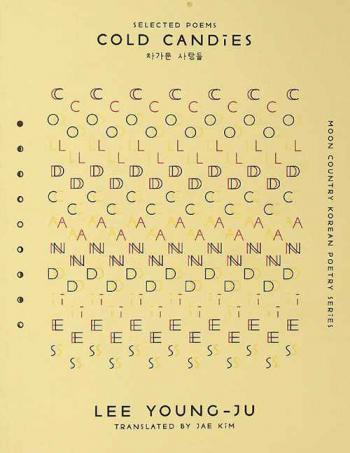
Cold candies : selected poems of Lee Young-ju
Cold Candies encapsulate the saccharine strangeness of a woman's life. Fragments of narratives about girls, dolls, sisters, mothers, men, lizards, the moon, and pillows are brought together into otherworldly images that are devastating, yet familiar. Lee Young-ju is one of South Korea's most original minds, and this collection, curated and translated by National Endowment of Arts Fellow Jae Kim, features a selection from her extraordinary body of work. These prose poems are often self-portraits, and together, they are as much an account of her life as it is an attempt to understand it. Pulling out threads from her past, she examines its traumas and tragedies and unravels a haunting dreamscape of intimacy and kinship.

Gynecologic problems and healthcare behavior by shift patterns in Korean nursing staff
We aimed to evaluate the clinical impact of shift patterns at work on gynecologic problems and the healthcare behavior of Korean nursing staff. We conducted a web-based survey for over two weeks in September 2021, involving female nursing staff, including nurses, nurses’ aides, and nursing assistants, working in five medical centers. The questionnaire included 40 questions on baseline characteristics, working information, and experiences with gynecologic problems and medical approaches. Overall, 885 nursing staffs participated in the survey, of the 1,904 who received the invitation with an online link of the survey. The response rate was 46.5%. Among the participants responding to all questions, 569 (64.4%) worked two or three shifts and 305 (34.5%) worked full-time. In women rotating two or three-shift patterns, irregular menstrual cycles (21.6% vs. 13.8%, p = 0.005), abnormal menstrual cycles (40.9% vs. 33.8%, p = 0.038), and dysmenorrhea (48.0% vs. 38.4%, p = 0.006) were more frequent than in those who worked full-time. The experience of visiting gynecologic clinics (47.5% vs. 44.1%, p = 0.332) and treating gynecologic conditions (33.4% vs. 29.3%, p = 0.211) did not differ according to the working patterns. However, diagnosis of gynecologic diseases was more frequent in women working full-time (36.4% vs. 29.7%, p = 0.043). The rates of screening (76.1% vs. 57.8%, p<0.001) and human papillomavirus vaccination (55.7% vs. 39.9%, p<0.001) for cervical cancer prevention were higher in women working full-time than in two–three shifts. This study showed that rotating shift work may be related to an increase in gynecologic problems and a decrease in cancer prevention activity among female nursing staff.
Journal Article

Kim Jiyoung, born 1982 = palsip yi nyeon saeng Kim Jiyeong
\"The runaway bestseller that helped launch Korea's new feminist movement, Kim Jiyoung, Born 1982 follows one woman's psychic deterioration in the face of rigid misogyny. In a small, tidy apartment on the outskirts of the frenzied metropolis of Seoul, Kim Jiyoung-a millennial \"everywoman\"-spends her days caring for her infant daughter. Her husband, however, worries over a strange symptom that has recently appeared: Jiyoung has begun to impersonate the voices of other women-dead and alive, both known and unknown to her. Truly, flawlessly, completely, she became that very person. As she plunges deeper into this psychosis, Jiyoung's concerned husband sends her to a psychiatrist, who listens to her narrate her own life story-from her birth to a family who expected a son, to elementary school teachers who policed girls' outfits, to male coworkers who installed hidden cameras in women's restrooms and posted the photos online. But can her doctor cure her, or even discover what truly ails her? Rendered in eerie prose, Kim Jiyoung, Born 1982 announces the arrival of a major international writer\"-- Provided by publisher.
Book

Cu2Se-based thermoelectric cellular architectures for efficient and durable power generation
Thermoelectric power generation offers a promising way to recover waste heat. The geometrical design of thermoelectric legs in modules is important to ensure sustainable power generation but cannot be easily achieved by traditional fabrication processes. Herein, we propose the design of cellular thermoelectric architectures for efficient and durable power generation, realized by the extrusion-based 3D printing process of Cu
2
Se thermoelectric materials. We design the optimum aspect ratio of a cuboid thermoelectric leg to maximize the power output and extend this design to the mechanically stiff cellular architectures of hollow hexagonal column- and honeycomb-based thermoelectric legs. Moreover, we develop organic binder-free Cu
2
Se-based 3D-printing inks with desirable viscoelasticity, tailored with an additive of inorganic Se
8
2−
polyanion, fabricating the designed topologies. The computational simulation and experimental measurement demonstrate the superior power output and mechanical stiffness of the proposed cellular thermoelectric architectures to other designs, unveiling the importance of topological designs of thermoelectric legs toward higher power and longer durability.
The geometrical design of thermoelectric legs in modules is key for sustainable power generation but can be hardly achieved by traditional fabrication process. Here, the authors develop an extrusion-based 3D printing process of Cu2Se thermoelectric materials for efficient power generation.
Journal Article

High-energy and durable lithium metal batteries using garnet-type solid electrolytes with tailored lithium-metal compatibility
Lithium metal batteries using solid electrolytes are considered to be the next-generation lithium batteries due to their enhanced energy density and safety. However, interfacial instabilities between Li-metal and solid electrolytes limit their implementation in practical batteries. Herein, Li-metal batteries using tailored garnet-type Li
7-x
La
3-a
Zr
2-b
O
12
(LLZO) solid electrolytes is reported, which shows remarkable stability and energy density, meeting the lifespan requirements of commercial applications. We demonstrate that the compatibility between LLZO and lithium metal is crucial for long-term stability, which is accomplished by bulk dopant regulating and dopant-specific interfacial treatment using protonation/etching. An all-solid-state with 5 mAh cm
−2
cathode delivers a cumulative capacity of over 4000 mAh cm
−2
at 3 mA cm
−2
, which to the best of our knowledge, is the highest cycling parameter reported for Li-metal batteries with LLZOs. These findings are expected to promote the development of solid-state Li-metal batteries by highlighting the efficacy of the coupled bulk and interface doping of solid electrolytes.
Lithium-metal batteries (LMBs) have attracted intense interest but the instability issues limit its practical deployment. Here, the authors report a durable LMB with high energy density using a garnet-type solid electrolyte with a tailored Li-metal compatibility.
Journal Article