
Catalogue Search | MBRL


Are you sure you want to remove the book from the shelf?

{{itemTitle}}
106
result(s) for
"LLOYD H. HOWARD"
Sort by:
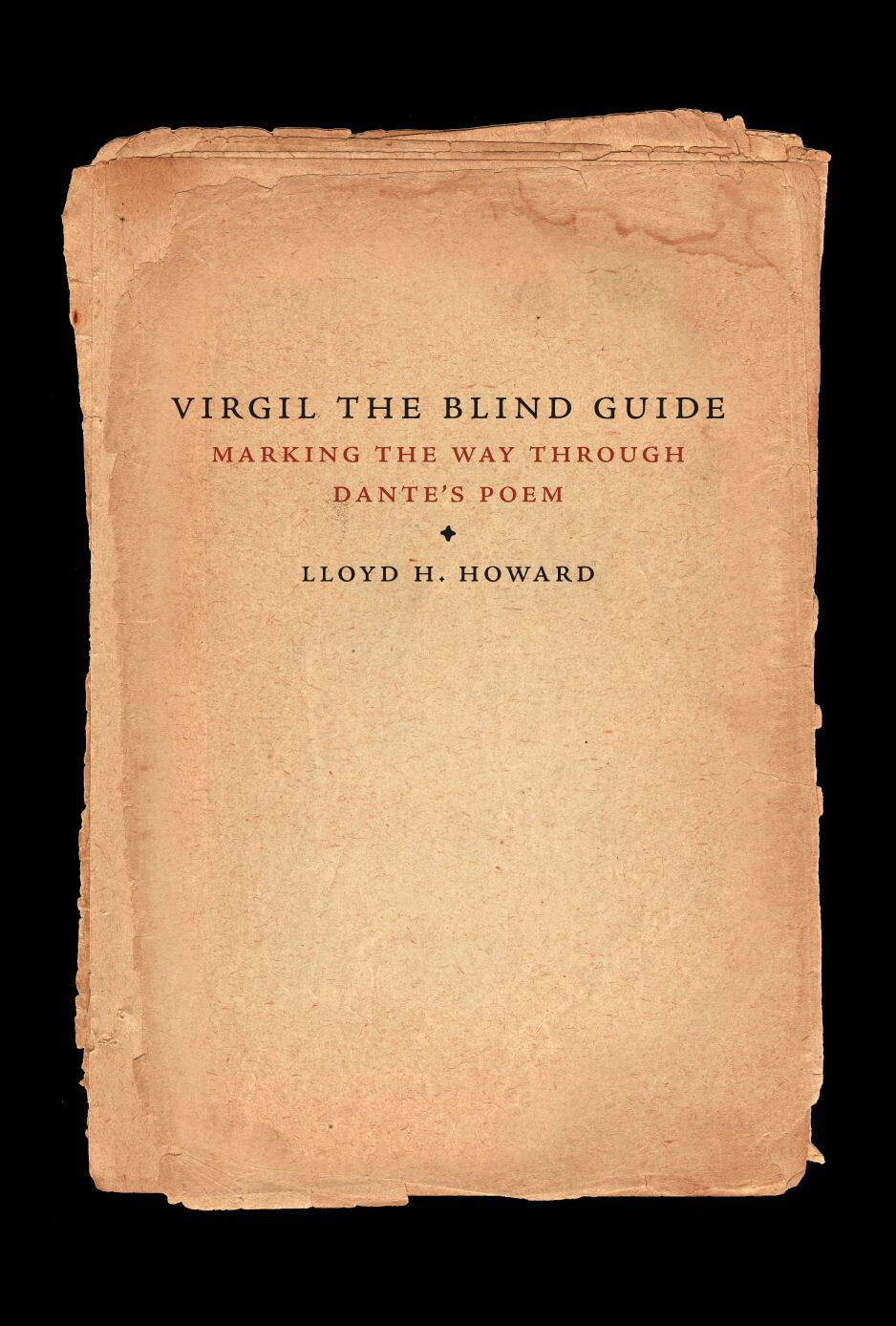
Virgil the Blind Guide
Virgil the Blind Guide examines the repetition of certain linguistic configurations that have remained hidden because the meanings of the words involved do not relate to Virgil's competence as guide. Uncovering tropes that have yet to be studied, Howard allows us to see new junctures in the poet's travels, while highlighting Virgil's impotence and diminishing his authority as regards other poets, guides, and the demons of Hell's lower gate. The concealed route revealed by Dante's figurative signposts establishes Virgil's traits as foundational to the poem and allows for new perspectives and understandings of this critical character. Using this distinctive strategy, Virgil the Blind Guide helps us to piece together the complex puzzle that is Dante's pagan guide and suggests new ways of understanding important characters that are applicable to a broad range of poetry and prose.
eBook

Virgil the Blind Guide
Virgil the Blind Guide examines the repetition of certain linguistic configurations that have remained hidden because the meanings of the words involved do not relate to Virgil’s competence as guide. Uncovering tropes that have yet to be studied, Howard allows us to see new junctures in the poet’s travels, while highlighting Virgil’s impotence and diminishing his authority as regards other poets, guides, and the demons of Hell’s lower gate. The concealed route revealed by Dante’s figurative signposts establishes Virgil’s traits as foundational to the poem and allows for new perspectives and understandings of this critical character. Using this distinctive strategy, Virgil the Blind Guide helps us to piece together the complex puzzle that is Dante’s pagan guide and suggests new ways of understanding important characters that are applicable to a broad range of poetry and prose.
eBook

Virgil’s Taming of Plutus and Capaneus, and the Pilgrim’s Changing Perceptions
As Dante and Virgil reach the point where their journey takes them to the fourth circle, they come face to face with its guardian, Plutus, who tries to impede their progress by invoking Satan with his menacing gibberish. But Dante’s wise guide confidently reassures him that he has nothing to fear because Plutus does not have the power to stop them from continuing their descent:
disse per confortarmi: “Non ti noccia
la tua paura; ché, poderch’elli abbia,
non ci torrà lo scender questa roccia.”
Poi si rivolse aquella’ nfiatalabbia,
e disse: “Taci, maladetto lupo!
consuma dentro te
Book Chapter
Virgil, John the Baptist, and the Downward Journey “di giro in giro”
By the time Dante and Virgil reach the ninthbolgia, that of the condemned schismatic souls ofInferno28, but for a few words with which Virgil deferred the speaking role to Dante inInferno27 (“Parla tu ...” 1.27.33), he has not been quoted in speech since their earlier encounter with Ulysses and Diomedes inInferno26.79–84.¹ There he deemed it most appropriate that, as a fellow ancient, he, not Dante, speak to the two Greek heroes: “Lascia parlare a me, ch’i’ ho concetto / ciò che tu vuoi” [“leave speech to me, for I have understood what
Book Chapter
The Blindness of Virgil in Inferno 8–9, Purgatorio 15–16, and Purgatorio 22–23
In the fifth circle of the wrathful, after Virgil and Dante are ferried through the dense fumes over the foul Styx and make landfall before the gate to Dis, Virgil fails in his negotiations with the devils who stand on guard and must wait in the dank air for one from on high without whom the downward journey would come to a sudden halt. If Virgil is unable to overcome these devils on his own, he can nonetheless help ensure Dante’s safety, lest Dante see Medusa and be turned to stone. Following Virgil’s instructions Dante has now turned away from
Book Chapter
The Eclipse of Virgil and the Ascent of Mary after Her Son
As Dante stands before the Lethe in Earthly Paradise, from the start of his journey home to God he has known no guide other than Virgil, upon whom he has depended utterly. For the course of their journey together, Virgil has become both father and mother to Dante, but with their arrival at the summit of Purgatory the time has come to cut the apron strings: “Non aspettar mio dir più né mio cenno” [“No longer expect word or sign from me”] (2.27.139). However, while Dante moves on into the divine forest without anyone to guide him for the first
Book Chapter
Encounters with the Heavenly Beings in Hell and Purgatory
In the previous chapter we considered Virgil’s humiliation at the hands of the devils and witnessed how they appeared to exercise sufficient autonomy to impede the progress of his journey. For the first time sinceInferno2, help was required from on high to rescue the journey of Dante the pilgrim; however, in this latter instance this need was not due to any failing on Dante’s part, but rather to Virgil’s ineffectiveness before these devils, whose weakness he should have exposed. As recently asInferno7, he had confidently revealed the emptiness behind Plutus’s threatening harangue and the fellow travellers
Book Chapter