
Catalogue Search | MBRL


Are you sure you want to remove the book from the shelf?

{{itemTitle}}
28
result(s) for
"Levett, James M"
Sort by:
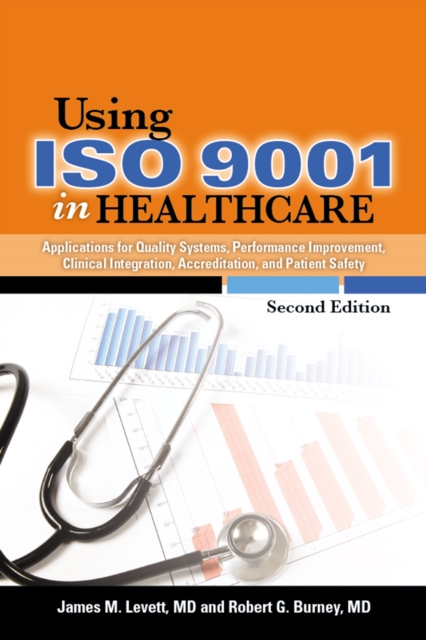
Using ISO 9001 in Healthcare
ISO 9001 offers an orderly, disciplined approach to managing a healthcare organization. When applied conscientiously, an ISO management system will provide a framework for improvement efforts and the discipline to demonstrate outcomes. A lot has changed since the first edition of this book was published in June of 2011. Most notably, the Affordable Care Act (ACA) was passed and is being implemented throughout the country. Although the long-term effects of the ACA will not be determined for several years, it is clear that most Americans will be affected in some way and that that the provider and payer communities are undergoing rapid changes. Even amongst all this uncertainty, the challenges faced by provider organizations can be dealt with most effectively by using an ISO 9001 quality management system. Each of the authors in this book has instituted ISO 9001:2008 as a management system: one in a multi-specialty group practice, the other in a global government healthcare system. Their reasons were different, but in both cases, they established a management system that could respond to diverse needs without adding expenses to their organizations.
eBook

Valuations of Surgical Procedures in the Medicare Fee Schedule
To the Editor:
Chan et al. (April 18 issue)
1
found discrepancies between survey-derived procedure times used by the Relative Value Scale Update Committee (RUC) of the American Medical Association and benchmark times in the American College of Surgeons National Surgical Quality Improvement Program (NSQIP) data set. A major confounder, however, was not explored: secondary procedures. Whereas the RUC’s estimates of procedure times are based on single procedures, NSQIP times often reflect multiple procedures performed during an operation.
2,3
Fair comparisons must consider these differences. We received permission from the NSQIP to analyze the effect of secondary procedures on procedure times, using . . .
Journal Article

Implementing an ISO 9001 quality management system in a multispecialty clinic
Physicians' Clinic of Iowa (PCI) is a 50-physician multispecialty clinic located in Cedar Rapids, IA. After evaluating health care options and reviewing industry quality systems, it was decided to pursue ISO 9001 certification for the clinic. ISO 9001 requirements are based on eight quality management principles. The eight principles are: 1. customer focus, 2. leadership, 3. involvement of people, 4. process approach, 5. system approach to management, 6. continual improvement, 7. factual approach to decision making, and 8. mutually beneficial supplier relationships. Implementation of an ISO 9001 quality management system has been a definite benefit to the organization. The experience requires time and effort on the part of both employees and management. The culture of PCI has been positively affected by the ISO quality management system, and marketing efforts to date have been quite favorable, especially with employers who frequently are familiar with ISO concepts.
Journal Article
