
Catalogue Search | MBRL


Are you sure you want to remove the book from the shelf?

{{itemTitle}}
75,849
result(s) for
"Li, Han"
Sort by:


Host selection shapes crop microbiome assembly and network complexity
• Plant microbiomes are essential to host health and productivity but the ecological processes that govern crop microbiome assembly are not fully known.
• Here we examined bacterial communities across 684 samples from soils (rhizosphere and bulk soil) and multiple compartment niches (rhizoplane, root endosphere, phylloplane, and leaf endosphere) in maize (Zea mays)-wheat (Triticum aestivum)/barley (Hordeum vulgare) rotation system under different fertilization practices at two contrasting sites.
• Our results demonstrate that microbiome assembly along the soil-plant continuum is shaped predominantly by compartment niche and host species rather than by site or fertilization practice. From soils to epiphytes to endophytes, host selection pressure sequentially increased and bacterial diversity and network complexity consequently reduced, with the strongest host effect in leaf endosphere. Source tracking indicates that crop microbiome is mainly derived from soils and gradually enriched and filtered at different plant compartment niches. Moreover, crop microbiomes were dominated by a few dominant taxa (c. 0.5% of bacterial phylotypes), with bacilli identified as the important biomarker taxa for wheat and barley and Methylobacteriaceae for maize.
• Our work provides comprehensive empirical evidence on host selection, potential sources and enrichment processes for crop microbiome assembly, and has important implications for future crop management and manipulation of crop microbiome for sustainable agriculture.
Journal Article

Protist communities are more sensitive to nitrogen fertilization than other microorganisms in diverse agricultural soils
Background
Agricultural food production is at the base of food and fodder, with fertilization having fundamentally and continuously increased crop yield over the last decades. The performance of crops is intimately tied to their microbiome as they together form holobionts. The importance of the microbiome for plant performance is, however, notoriously ignored in agricultural systems as fertilization disconnects the dependency of plants for often plant-beneficial microbial processes. Moreover, we lack a holistic understanding of how fertilization regimes affect the soil microbiome. Here, we examined the effect of a 2-year fertilization regime (no nitrogen fertilization control, nitrogen fertilization, and nitrogen fertilization plus straw amendment) on entire soil microbiomes (bacteria, fungi, and protist) in three common agricultural soil types cropped with maize in two seasons.
Results
We found that the application of nitrogen fertilizers more strongly affected protist than bacterial and fungal communities. Nitrogen fertilization indirectly reduced protist diversity through changing abiotic properties and bacterial and fungal communities which differed between soil types and sampling seasons. Nitrogen fertilizer plus straw amendment had greater effects on soil physicochemical properties and microbiome diversity than nitrogen addition alone. Moreover, nitrogen fertilization, even more together with straw, increased soil microbiome network complexity, suggesting that the application of nitrogen fertilizers tightened soil microbiomes interactions.
Conclusions
Together, our results suggest that protists are the most susceptible microbiome component to the application of nitrogen fertilizers. As protist communities also exhibit the strongest seasonal dynamics, they serve as the most sensitive bioindicators of soil changes. Changes in protist communities might have long-term effects if some of the key protist hubs that govern microbiome complexities as top microbiome predators are altered. This study serves as the stepping stone to promote protists as promising agents in targeted microbiome engineering to help in reducing the dependency on exogenous unsustainably high fertilization and pesticide applications.
Journal Article

The influence of physical activity on emotional management ability in college students: a chain mediating role of psychological resilience and health literacy
Objective
This study aimed to investigate the impact of physical activity (PA) on emotional management ability (EMA) in college students and to analyze the chain mediating roles of psychological resilience (PR) and health literacy (HL) in the relationship between PA and EMA.
Methods
Demographic information was collected using a stratified, cluster, and multi-stage sampling method. Data on PA, PR, HL, and EMA among college students were collected using an online questionnaire. A total of 13,590 valid questionnaires were obtained.
Results
A significant positive correlation was found between PA and EMA in college students (
r
= 0.177,
P
< 0.01). PR and HL played significant mediating roles in the relationship between PA and EMA. The mediation effect consisted of independent mediation by PR and HL and a chain mediation effect between the two. The values of the independent mediation effects and the chain mediation effect were 0.011, 0.010, and 0.004, respectively. The chain mediation effect was lower than each of the individual mediation effects and showed a statistically significant difference compared to the mediation effect of HL (
P
< 0.05).
Conclusion
PA significantly enhances college students’ EMA through direct effects and a chain mediation pathway involving PR and HL. Coordinated interventions, including regular exercise, PR training, and health education, are recommended to optimize college students’ psychological health.
Journal Article
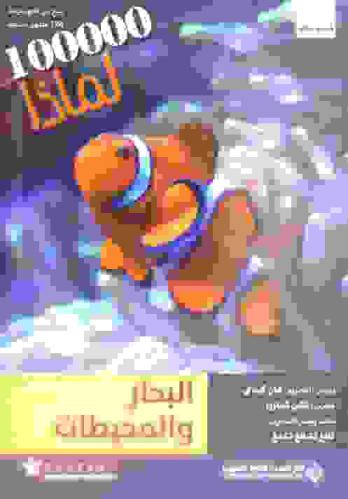
البحار والمحيطات
يتناول كتاب \"البحار والمحيطات\" والذي قاما بتأليفه \"هان كيدي، وانغ بينشيان\" في حوالي (185) صفحة من القطع المتوسط موضوع (البحار والمحيطات)، هذا الكتاب من ضمن كتب سلسلة مئة ألف لماذا وهي مجموعة من الكتب العلمية التي نشرتها دار نشر الأطفال عام 1961 وعلى مدار نصف قرن تم إصدار هذه الكتب واحد تلو الآخر في خمس طبعات، تتضمن السلسلة مجموعة من المواد المثبتة علميا لأجيال الأطفال، بحيث تروج هذه السلسلة لنشر الروح العلمية، وتنشر المعرفة العلمية بين العقول الناشئة، وتعزز الجودة والمعلومات العلمية للأطفال. وهذا الكتاب يتحدث بلغة سهلة ويسيرة حيث يقدم معلومات كثيرة حول البحار والمحيطات في العالم.
BOOK

Impact of physical exercise on sleep quality in college students: A Chain mediating role of self-efficacy and emotional control
The study aims to examine the impact of physical exercise on sleep quality among college students and elucidate the mediating roles of self-efficacy and emotional control in this relationship.
Data were obtained from the 2024 China College Students' Physical Activity and Health Tracking Survey (CPAHLS-CS). A sample of 10,970 college students was included. Physical exercise levels were measured using the Physical Activity Rating Scale-3 (PARS-3), sleep quality was assessed using the Pittsburgh Sleep Quality Index (PSQI), self-efficacy was measured using the General Self-Efficacy Scale (GSES), and emotional control was assessed using the Adolescent Psychological Resilience Scale. Regression analysis and Bootstrap mediation analysis were employed to test the hypothesised relationships.
(1) The direct effect of physical exercise on sleep quality was not significant (β = 0.011, P > 0.05). However, the total effect was negative (β = -0.056, P < 0.001), indicating that indirect effects comprised the predominant mechanism. (2) Self-efficacy (effect size = -0.024) and emotional control (effect size = -0.022) each independently mediated the relationship between physical exercise and sleep quality. (3) In the pathway through which physical exercise influences sleep quality, self-efficacy, and emotional control functioned as independent mediating variables. Specifically, physical exercise indirectly improved sleep quality by enhancing self-efficacy while positively impacting sleep quality through a distinct mediating mechanism involving strengthening emotional control.
This study demonstrates the influence of physical exercise, self-efficacy, and emotional control on sleep quality. The findings suggest that physical exercise indirectly optimises sleep quality through a dynamic and synergistic mechanism involving the enhancement of self-efficacy and emotional control. This study provides theoretical support and practical pathways for sleep quality interventions in college students.
Journal Article

Modern emergency management
This book provides essential information on emergency management. It is composed of two parts, addressing the basic theory and related methods of emergency management, including risk management, coordination management, crisis management and disaster management. By putting the emphasis on interdisciplinary, systematic perspectives and building a bridge between basic knowledge and further research, it is well suited as an emergency management textbook and offers a valuable guide to prepare readers for their future emergency management careers.
Book

Immune suppressive landscape in the human esophageal squamous cell carcinoma microenvironment
Cancer immunotherapy has revolutionized cancer treatment, and it relies heavily on the comprehensive understanding of the immune landscape of the tumor microenvironment (TME). Here, we obtain a detailed immune cell atlas of esophageal squamous cell carcinoma (ESCC) at single-cell resolution. Exhausted T and NK cells, regulatory T cells (Tregs), alternatively activated macrophages and tolerogenic dendritic cells are dominant in the TME. Transcriptional profiling coupled with T cell receptor (TCR) sequencing reveal lineage connections in T cell populations. CD8 T cells show continuous progression from pre-exhausted to exhausted T cells. While exhausted CD4, CD8 T and NK cells are major proliferative cell components in the TME, the crosstalk between macrophages and Tregs contributes to potential immunosuppression in the TME. Our results indicate several immunosuppressive mechanisms that may be simultaneously responsible for the failure of immuno-surveillance. Specific targeting of these immunosuppressive pathways may reactivate anti-tumor immune responses in ESCC.
Understanding the tumour microenvironment is essential for the efficacy of immunotherapies. Here the authors describe the immune landscape in esophageal squamous cell carcinoma and suggest several immunosuppressive mechanisms, which upon targeting may restore anti-tumour immune response.
Journal Article