
Catalogue Search | MBRL


Are you sure you want to remove the book from the shelf?

{{itemTitle}}
9,294
result(s) for
"Li, Jian Yi"
Sort by:


Harnessing virus flexibility to selectively capture and profile rare circulating target cells for precise cancer subtyping
The effective isolation of rare target cells, such as circulating tumor cells, from whole blood is still challenging due to the lack of a capturing surface with strong target-binding affinity and non-target-cell resistance. Here we present a solution leveraging the flexibility of bacterial virus (phage) nanofibers with their sidewalls displaying target circulating tumor cell-specific aptamers and their ends tethered to magnetic beads. Such flexible phages, with low stiffness and Young’s modulus, can twist and adapt to recognize the cell receptors, energetically enhancing target cell capturing and entropically discouraging non-target cells (white blood cells) adsorption. The magnetic beads with flexible phages can isolate and count target cells with significant increase in cell affinity and reduction in non-target cell absorption compared to magnetic beads having rigid phages. This differentiates breast cancer patients and healthy donors, with impressive area under the curve (0.991) at the optimal detection threshold (>4 target cells mL
−1
). Immunostaining of captured circulating tumor cells precisely determines breast cancer subtypes with a diagnostic accuracy of 91.07%. Our study reveals the power of viral mechanical attributes in designing surfaces with superior target binding and non-target anti-fouling.
The effective isolation of rare target cells, such as circulating tumor cells from whole blood is still challenging. Here, the authors utilize adaptable flexible M13 phage in constructing magnetic beads, forming a deformable surface that can tightly capture CTCs.
Journal Article
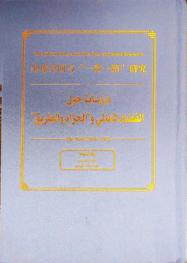
دراسات حول الفضاء العالمي و\الحزام والطريق\ : (مجلد السياحة)
إن استراتيجية \"الحزام والطريق\" هي عملية طويلة الأمد، ولا يمكن وصف دورها في تعزيز تنمية السياحة ببساطة. يحلل \"الفضاء العالمي و\"حزام واحد وطريق واحد\" حجم السياحة\" الوضع الحالي لتنمية السياحة العالمية في سياق استراتيجية \"حزام واحد وطريق واحد\"، ويقدم بالتفصيل تطور السياحة العالمية والخلفية السياحية. \"حزام وطريق\"، بما في ذلك نظرة عامة على صناعة السياحة العالمية، والاتجاهات الجديدة في تنمية السياحة العالمية ونمط السياحة العالمية، وما إلى ذلك، واستنادا إلى تحليل فرص وتحديات تنمية السياحة العالمية والصينية، والتأثير الترويجي لـ \"حزام واحد وطريق واحد\"، وتم تفسير استراتيجية \"الحزام والطريق\" لتنمية السياحة.
Book

Force distribution within the frame of self-expanding transcatheter aortic valve: Insights from in-vivo finite element analysis
We sought to assess the amount and distribution of force on the valve frame after transcatheter aortic valve replacement (TAVR) via patient-specific computer simulation. Patients successfully treated with the self-expanding Venus A-Valve and multislice computed tomography (MSCT) pre- and post-TAVR were retrospectively included. Patient-specific finite element models of the aortic root and prosthesis were constructed. The force (in Newton) on the valve frame was derived at every 3 mm from the inflow and at every 22.5° on each level. Twenty patients of whom 10 had bicuspid aortic valve (BAV) were analyzed. The total force on the frame was 74.9 N in median (interquartile range 24.0). The maximal force was observed at level 5 that corresponds with the nadir of the bioprosthetic leaflets and was 9.9 (7.1) N in all patients, 10.3 (6.6) N in BAV and 9.7 (9.2) N for patients with tricuspid aortic valve (TAV). The level of maximal force located higher from the native annulus in BAV and TAV patients (8.8 [4.8] vs. 1.8 [7.4] mm). The area of the valve frame at the level of maximal force decreased from 437.4 (239.7) mm2 at the annulus to 377.6 (114.3) mm2 in BAV, but increased from 397.5 (114.3) mm2 at the annulus to 406.7 (108.9) mm2 in TAV. The maximum force on the bioprosthetic valve frame is located at the plane of the nadir of the bioprosthetic leaflets. It remains to be elucidated whether this may be associated with bioprosthetic frame and leaflet integrity and/or function.
Journal Article

Prevalence and genotype distribution of human papillomavirus among 9945 women from the Nanhai area of Foshan
Background
To provide a scientific basis for the prevention and treatment of cervical cancer (CC), we investigated the distribution characteristics and genotypes of human papillomavirus (HPV) and the prevalence of multiple HPV infections in women of different ages seeking management for abnormal cytology in Foshan City.
Methods
Screening for the 21 genotypes of HPV was carried out in 9945 females seeking management of abnormal cervical cytology results using rapid flow-through hybridization of nucleic acid molecules. The overall prevalence, genotype distribution and age-specific prevalence were examined.
Results
Our results indicate that the prevalence of overall, high-risk, intermediate-risk, and low-risk HPV infections was 13.5%, 12.1%, 1.3%, and 1.9%, respectively. Of the 1346 women who tested positive, 89.5% were positive for a single HPV genotype, and 10.5% were positive for ≥2 genotypes. The most frequently detected HPV genotype was HPV-16 (2.9%), followed by HPV-52 (2.9%), HPV-58 (1.5%), and HPV-CP8304 (1.0%). The highest infection prevalence was found in patients 21–30 years old (271/1670, 16.2%).
Conclusion
The prevalence of HPV infection in women seeking management for abnormal cytology in Foshan City is highest in the younger population (21–30 years old). Similar to most previous surveys, HPV-58 and HPV-52 infections are as common as HPV-16 infection.
Journal Article

Ga2O3-based p-i-n solar blind deep ultraviolet photodetectors
This study applied a vapor cooling condensation system for depositing p-ZnO:LiNO3, i-Ga2O3, and n-Ga2O3:Si layers on sapphire substrates to fabricate solar-blind p-i-n deep-ultraviolet photodetectors (DUV-PDs). The deposited i-Ga2O3 absorption layer was measured to exhibit high performance levels. Therefore, when the resulting solar-blind p-i-n DUV-PDs were operated at a reverse bias voltage of − 5 V, the dark current and the DUV (250 nm)/visible (500 nm) rejection ratio were 1.45 pA and 2.5 × 10⁴, respectively. Moreover, when the solar-blind p-i-n DUV-PDs were operated at a reverse bias voltage of − 5 V, the photoresponsivity, noise power density, noise equivalent power, and specific detectivity were 0.73 A/W, 2.45 × 10⁻²⁶ A2/Hz, 4.80 × 10⁻¹³ W, and 1.97 × 10¹² cmHz0.5W−1, respectively. Furthermore, flicker noise was the dominant low-frequency noise source in the photodetectors. These results demonstrated the effectiveness of the proposed solar-blind p-i-n DUV-PDs.
Journal Article

The role of radical prostatectomy and definitive external beam radiotherapy in combined treatment for high-risk prostate cancer: a systematic review and meta-analysis
The first-line treatment options for high-risk prostate cancer (PCa) are definitive external beam radiotherapy (EBRT) with or without androgen deprivation therapy (ADT) and radical prostatectomy (RP) with or without adjuvant therapies. However, few randomized trials have compared the survival outcomes of these two treatments. To systematically evaluate the survival outcomes of high-risk PCa patients treated with EBRT- or RP-based therapy, a comprehensive and up-to-date meta-analysis was performed. A systematic online search was conducted for randomized or observational studies that investigated biochemical relapse-free survival (bRFS), cancer-specific survival (CSS), and/or overall survival (OS), in relation to the use of RP or EBRT in patients with high-risk PCa. The summary hazard ratios (HRs) were estimated under the random effects models. We identified heterogeneity between studies using Q tests and measured it using I2 statistics. We evaluated publication bias using funnel plots and Egger's regression asymmetry tests. Seventeen studies (including one randomized controlled trial [RCT]) of low risk of bias were selected and up to 9504 patients were pooled. When comparing EBRT-based treatment with RP-based treatment, the pooled HRs for bRFS, CSS, and OS were 0.40 (95% confidence interval [CI]: 0.24-0.67), 1.36 (95% CI: 0.94-1.97), and 1.39 (95% CI: 1.18-1.62), respectively. Better OS for RP-based treatment and better bRFS for EBRT-based treatment have been identified, and there was no significant difference in CSS between the two treatments. RP-based treatment is recommended for high-risk PCa patients who value long-term survival, and EBRT-based treatment might be a promising alternative for elderly patients.
Journal Article

Patients With Bicuspid Aortic Stenosis Undergoing Transcatheter Aortic Valve Replacement: A Systematic Review and Meta-Analysis
We sought to conduct a systematic review and meta-analysis of clinical adverse events in patients undergoing transcatheter aortic valve replacement (TAVR) with bicuspid aortic valve (BAV) vs. tricuspid aortic valve (TAV) anatomy and the efficacy of balloon-expandable (BE) vs. self-expanding (SE) valves in the BAV population. Comparisons aforementioned will be made stratified into early- and new-generation devices. Differences of prosthetic geometry on CT between patients with BAV and TAV were presented. In addition, BAV morphological presentations in included studies were summarized.
Observational studies and a randomized controlled trial of patients with BAV undergoing TAVR were included according to the Preferred Reporting Items for Systematic Reviews and Meta-Analyses (PRISMA) guideline.
A total of 43 studies were included in the final analysis. In patients undergoing TAVR, type 1 BAV was the most common phenotype and type 2 BAV accounted for the least. Significant higher risks of conversion to surgical aortic valve replacement (SAVR), the need of a second valve, a moderate or severe paravalvular leakage (PVL), device failure, acute kidney injury (AKI), and stroke were observed in patients with BAV than in patients with TAV during hospitalization. BAV had a higher risk of new permanent pacemaker implantation (PPI) both at hospitalization and a 30-day follow-up. Risk of 1-year mortality was significantly lower in patients with BAV than that with TAV [odds ratio (OR) = 0.85, 95% CI 0.75-0.97,
= 0.01]. BE transcatheter heart valves (THVs) had higher risks of annular rupture but a lower risk of the need of a second valve and a new PPI than SE THVs. Moreover, BE THV was less expanded and more elliptical in BAV than in TAV. In general, the rates of clinical adverse events were lower in new-generation THVs than in early-generation THVs in both BAV and TAV.
Despite higher risks of conversion to SAVR, the need of a second valve, moderate or severe PVL, device failure, AKI, stroke, and new PPI, TAVR seems to be a viable option for selected patients with severe bicuspid aortic stenosis (AS), which demonstrated a potential benefit of 1-year survival, especially among lower surgical risk population using new-generation devices. Larger randomized studies are needed to guide patient selection and verified the durable performance of THVs in the BAV population.
Journal Article

Identification of Prognostic lncRNA Related to the Immune Microenvironment of Soft Tissue Sarcoma
Background. Soft tissue sarcoma is a malignant tumor with high degree of malignancy and poor prognosis, originating from mesenchymal tissue. Long noncoding RNAs (lncRNAs) are involved in various biological and pathological processes in the body. They perform preprocessing, splicing, transport, degradation, and translation of mRNA to achieve posttranscriptional level regulation, resulting in the occurrence, invasion, and metastasis of tumors. Therefore, they are highly relevant with regard to early diagnoses and as prognostic indicators. Objective. The objective of the present study was to identify immune microenvironment-related lncRNAs that can be used to predict soft tissue sarcomas. Methods. Clinical data and follow-up data were obtained from the cBioPortal database, and RNA sequencing data used for the model structure can be accessed from The Cancer Genome Atlas (TCGA) database. LncRNAs were screened by differential expression analysis and coexpression analysis. The Cox regression model and Kaplan–Meier analysis were used to study the association between lncRNAs and soft tissue sarcoma prognosis in the immune microenvironment. Unsupervised cluster analysis was then completed to discover the impact of screening lncRNAs on disease. We constructed an mRNA-lncRNA network by Cytoscape software. Finally, qRT-PCR was used to verify the difference in the expression of the lncRNAs in normal cells and sarcoma cells. Results. Unsupervised cluster analysis revealed that the 210 lncRNAs screened showed strong correlation with the tumor immune microenvironment. Two signatures containing seven and five lncRNAs related to the tumor microenvironment were constructed and used to predict overall survival (OS) and disease-free survival (DFS). The Kaplan–Meier (K-M) survival curve showed that the prognoses of patients in the high-risk and low-risk groups differed significantly, and the prognosis associated with the low-risk group was better than that associated with the high-risk group. Two nomograms with predictive capabilities were established. qRT-PCR results showed that the expression of AC108134.3 and AL031717.1 was significantly different in normal and sarcoma cells. Conclusion. In summary, the experimental results showed that lncrnA associated with immune microenvironment was related to tumor, which may provide a new idea for immunotherapy of STS.
Journal Article

Differences in metabolic profiles between bicuspid and tricuspid aortic stenosis in the setting of transcatheter aortic valve replacement
Background
To explore why bicuspid aortic stenosis has certain clinical differences from the tricuspid morphology, we evaluated the metabolomics profile involved in bicuspid aortic valve (BAV) aortic stenosis prior to and after transcatheter aortic valve replacement (TAVR) in comparison with tricuspid aortic valve (TAV).
Methods
In this TAVR cohort with prospectively collected data, blood samples were obtained before TAVR valve deployment and at the 7th day after TAVR, which were then sent for liquid and gas chromatography-mass spectrometry detection. Besides comparisons between BAV and TAV, BAV patients were also divided in subgroups according to baseline hemodynamics (i.e. maximal transaortic velocity, V
max
) and post-procedural reverse left ventricular (LV) remodeling (i.e. the change in LV mass index from baseline, ∆LVMI) for further analysis. Metabolic differences between groups were identified by integrating univariate test, multivariate analysis and weighted correlation network analysis algorithm.
Results
A total of 57 patients were enrolled including 33 BAV patients. The BAV group showed lower arginine and proline metabolism both before and post TAVR than TAV represented by decreased expression of L-Glutamine. In BAV subgroup analysis, patients with baseline V
max
> 5 m/s (
n
= 11) or the 4
th
quartile of change in ∆LVMI at one-year follow-up (i.e. poorly-recovered LV,
n
= 8) showed elevated arachidonic acid metabolism compared with V
max
< 4.5 m/s (
n
= 12) or the 1
st
quartile of ∆LVMI (i.e. well-recovered LV,
n
= 8) respectively.
Conclusions
Difference in arginine and proline metabolism was identified between BAV and TAV in TAVR recipients. Elevated arachidonic acid metabolism may reflect more severe baseline hemodynamics and worse LV reserve remodeling after TAVR in BAV.
Journal Article