
Catalogue Search | MBRL


Are you sure you want to remove the book from the shelf?

{{itemTitle}}
5,698
result(s) for
"Liao, Wen"
Sort by:
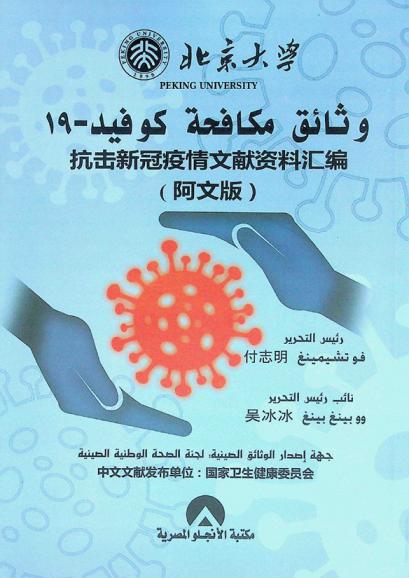
وثائق مكافحة كوفيد-19
بين يدي القارئ كتاب يجمع بين دفتيه الترجمة العربية لوثائق مكافحة كوفيد 19- التي أصدرتها لجنة الصحة الوطنية الصينية، ومـن بـين هذه الوثائق النسخ الست مـن آليات الوقاية مـن الالتهاب الرئوي الناجم عـن فيروس كـورونا المستجد ومكافحته، والنسخة التجريبية السابعة لآليات تـشخيص الالتـِهاب الـرئوي الناجِم عـن فـيروس كـورونا المستجد وعلاجه وغـيرها مـن الـمرفقات. وعـمل على ترجمة النـسخة الـعربية لوثائق مكافحة كـوفيد 19- الصينية فريـق ترجمة به أكـثر من عشريـن أستاذا وطالبا مـن قسم اللغة العربية بكلية اللغات الأجنبية بجامعة بكين بـالتعاون مع كلية الآداب في جامعة القاهرة والمعهد العالي للغات بتونس في جامعة قرطاج، في الفترة مـن مارس وحتى مايو 2020، قام خلالها فـريق الترجمة بترجمة قرابة 100 ألـف رمز صيني.
BOOK

YOLOP: You Only Look Once for Panoptic Driving Perception
A panoptic driving perception system is an essential part of autonomous driving. A high-precision and real-time perception system can assist the vehicle in making reasonable decisions while driving. We present a panoptic driving perception network (you only look once for panoptic (YOLOP)) to perform traffic object detection, drivable area segmentation, and lane detection simultaneously. It is composed of one encoder for feature extraction and three decoders to handle the specific tasks. Our model performs extremely well on the challenging BDD100K dataset, achieving state-of-the-art on all three tasks in terms of accuracy and speed. Besides, we verify the effectiveness of our multi-task learning model for joint training via ablative studies. To our best knowledge, this is the first work that can process these three visual perception tasks simultaneously in real-time on an embedded device Jetson TX2(23 FPS), and maintain excellent accuracy. To facilitate further research, the source codes and pre-trained models are released at https://github.com/hustvl/YOLOP.
Journal Article

Retrotransposon activation contributes to neurodegeneration in a Drosophila TDP-43 model of ALS
Amyotrophic lateral sclerosis (ALS) and frontotemporal lobar degeneration (FTLD) are two incurable neurodegenerative disorders that exist on a symptomological spectrum and share both genetic underpinnings and pathophysiological hallmarks. Functional abnormality of TAR DNA-binding protein 43 (TDP-43), an aggregation-prone RNA and DNA binding protein, is observed in the vast majority of both familial and sporadic ALS cases and in ~40% of FTLD cases, but the cascade of events leading to cell death are not understood. We have expressed human TDP-43 (hTDP-43) in Drosophila neurons and glia, a model that recapitulates many of the characteristics of TDP-43-linked human disease including protein aggregation pathology, locomotor impairment, and premature death. We report that such expression of hTDP-43 impairs small interfering RNA (siRNA) silencing, which is the major post-transcriptional mechanism of retrotransposable element (RTE) control in somatic tissue. This is accompanied by de-repression of a panel of both LINE and LTR families of RTEs, with somewhat different elements being active in response to hTDP-43 expression in glia versus neurons. hTDP-43 expression in glia causes an early and severe loss of control of a specific RTE, the endogenous retrovirus (ERV) gypsy. We demonstrate that gypsy causes the degenerative phenotypes in these flies because we are able to rescue the toxicity of glial hTDP-43 either by genetically blocking expression of this RTE or by pharmacologically inhibiting RTE reverse transcriptase activity. Moreover, we provide evidence that activation of DNA damage-mediated programmed cell death underlies both neuronal and glial hTDP-43 toxicity, consistent with RTE-mediated effects in both cell types. Our findings suggest a novel mechanism in which RTE activity contributes to neurodegeneration in TDP-43-mediated diseases such as ALS and FTLD.
Journal Article

Suppression of Endoplasmic Reticulum Stress by 4-PBA Protects Against Hyperoxia-Induced Acute Lung Injury via Up-Regulating Claudin-4 Expression
Endoplasmic reticulum (ER) stress that disrupts ER function can occur in response to a wide variety of cellular stress factors leads to the accumulation of unfolded and misfolded proteins in the ER. Many studies have shown that ER stress amplified inflammatory reactions and was involved in various inflammatory diseases. However, little is known regarding the role of ER stress in hyperoxia-induced acute lung injury (HALI). This study investigated the influence of ER stress inhibitor, 4-phenyl butyric acid (4-PBA), in mice with HALI. Treatment with 4-PBA in the hyperoxia groups significantly prolonged the survival, decreased lung edema, and reduced the levels of inflammatory mediators, lactate dehydrogenase, and protein in bronchoalveolar lavage fluid, and increased claudin-4 protein expression in lung tissue. Moreover, 4-PBA reduced the ER stress-related protein expression, NF-κB activation, and apoptosis in the lung tissue. In in vitro study, 4-PBA also exerted a similar effect in hyperoxia-exposed mouse lung epithelial cells (MLE-12). However, when claudin-4 siRNA was administrated in mice and MLE-12 cells, the protective effect of 4-PBA was abrogated. These results suggested that 4-PBA protected against hyperoxia-induced ALI via enhancing claudin-4 expression.
Journal Article

Prevalence of Frailty among Community-Dwelling Older Adults in Asian Countries: A Systematic Review and Meta-Analysis
This study aimed to synthesize frailty prevalence among community-dwelling older adults in Asia and identify factors influencing prevalence estimates. Five electronic databases were searched by 29 April 2022, including representative samples of community-dwelling adults who were aged 60 years and older and lived in Asia. Cross-sectional or national longitudinal population-based cohort studies completed with validated instruments were selected. Twenty-one studies with 52,283 participants were included. The pooled prevalence rate of frailty was 20.5% (95% CI = 15.5% to 26.0%). The estimated frailty prevalence was 14.6% (95% CI = 10.9% to 18.8%) while assessed by the Fried frailty phenotype, 28.0% (95% CI = 21.3% to 35.3%) by the Cumulative Frailty Index, 36.4% (95% CI = 33.6% to 39.3%) by the Study of Osteoporotic Fractures (SOF) index, and 46.3% (95% CI = 40.1% to 52.4%) by the Clinical Frailty Scale (p < 0.01). Subgroup analysis in studies using the Fried’s phenotype tool found that frailty prevalence was increased with older age (p = 0.01) and was higher in those who were single (21.5%) than in married participants (9.0%) (p = 0.02). The study results supported a better understanding of frailty prevalence in different geographical distributions and provide references for health policy decision-making regarding preventing frailty progression in older adults.
Journal Article

Stress hyperglycemia ratio predicts adverse outcomes in emergency department patients with upper gastrointestinal bleeding
Upper gastrointestinal bleeding (UGIB) is a common emergency condition with substantial morbidity. Early identification of patients at risk for adverse outcomes is essential for timely management. The stress hyperglycemia ratio (SHR) adjusts admission glucose for baseline glycemic control and may better reflect acute physiological stress than absolute glucose levels. We aimed to determine whether SHR predicts critical outcomes in emergency department (ED) patients with UGIB.
We retrospectively analyzed 345 adults with endoscopically confirmed UGIB at a tertiary medical center. SHR was computed as admission glucose divided by estimated average glucose from hemoglobin A1c. Multivariable logistic regression assessed associations between SHR and outcomes: intensive care unit (ICU) admission, blood transfusion, rebleeding, acute kidney injury (AKI), acute respiratory failure (ARF), in-hospital mortality, procedural intervention, and esophageal variceal (EV) bleeding. Predictive performance was compared with the complete Rockall score (CRS) and Glasgow-Blatchford score using receiver operating characteristic curves.
Elevated SHR was independently associated with higher risks of ICU admission (adjusted odds ratio [aOR] = 2.10, P < 0.001), transfusion (aOR = 6.30, P < 0.001), rebleeding (aOR = 1.75, P = 0.04), AKI (aOR = 1.79, P < 0.001), and ARF (aOR = 1.96, P = 0.01). SHR moderately predicted transfusion (area under the curve [AUC] = 0.716) and ICU admission (AUC = 0.637), outperforming the CRS for both. Adding SHR to CRS improved transfusion prediction (ΔAUC = 7.2%, P = 0.02). Patients with SHR > 1.9 had significantly higher rates of ICU admission, transfusion, organ dysfunction, and EV bleeding. SHR remained predictive in both diabetic and nondiabetic subgroups. No significant association was observed between SHR and mortality or procedural intervention.
SHR was independently associated with adverse outcomes in UGIB, especially ICU admission and transfusion. As a simple, rapidly available marker that adjusts for baseline glycemic control, it may complement existing risk scores and support early, pre-endoscopic risk stratification in the ED, and warrants validation in prospective studies.
Journal Article
Colour stabilities of three types of orthodontic clear aligners exposed to staining agents
The aim of this study was to evaluate and compare the colour stabilities of three types of orthodontic clear aligners exposed to staining agents in vitro. Sixty clear orthodontic aligners produced by three manufacturers (Invisalign, Angelalign, and Smartee) were immersed in three staining solutions (coffee, black tea, and red wine) and one control solution (distilled water). After 12-h and 7-day immersions, the aligners were washed in an ultrasonic cleaner and measured with a colourimeter. The colour changes (△E*) were calculated on the basis of the Commission Internationale de I'Eclairage L*a*b* colour system (CIE L*a*b*), and the results were then converted into National Bureau of Standards (NBS) units. Fourier transformation infrared (FT-IR) spectroscopy and scanning electron microscopy (SEM) were conducted to observe the molecular and morphologic alterations to the aligner surfaces, respectively. The three types of aligners exhibited slight colour changes after 12 h of staining, with the exception of the Invisalign aligners stained with coffee. The Invisalign aligners exhibited significantly higher AE* values (ranging from 0.30 to 27.81) than those of the Angelalign and Smartee aligners (AE* values ranging from 0.33 to 1.89 and 0.32 to 1.61, respectively, P〈O.05). IFT-IR analysis confirmed that the polymer-based structure of aligners did not exhibit significant chemical differences before and after the immersions. The SEM results revealed different surface alterations to the three types of aligner materials after the 7-day staining. The three types of aesthetic orthodontic appliances exhibited colour stability after the 12-h immersion, with the exception of the Invisalign aligners stained by coffee. The Invisalign aligners were more prone than the Angelalign and Smartee aligners to pigmentation. Aligner materials may be improved by considering aesthetic colour stability properties.
Journal Article

CLEC5A is a critical receptor in innate immunity against Listeria infection
The C-type lectin member 5A (CLEC5A) is a pattern recognition receptor for members of the
Flavivirus
family and has critical functions in response to dengue virus and Japanese encephalitis virus. Here we show that CLEC5A is involved in neutrophil extracellular trap formation and the production of reactive oxygen species and proinflammatory cytokines in response to
Listeria monocytogenes
. Inoculation of
Clec5a
−/−
mice with
L. monocytogenes
causes rapid bacterial spreading, increased bacterial loads in the blood and liver, and severe liver necrosis. In these mice, IL-1β, IL-17A, and TNF expression is inhibited, CCL2 is induced, and large numbers of CD11b
+
Ly6C
hi
CCR2
hi
CX3CR1
low
inflammatory monocytes infiltrate the liver. By day 5 of infection, these mice also have fewer IL-17A
+
γδ T cells, severe liver necrosis and a higher chance of fatality. Thus, CLEC5A has a pivotal function in the activation of multiple aspects of innate immunity against bacterial invasion.
The lectin receptor CLEC5A is a pattern recognition receptor that has been shown to detect dengue and Japanese encephalitis virus. Here the authors show that CLEC5A is needed for optimal ROS production, NET formation and other immune responses to Listeria monocytogenes in mice.
Journal Article

Melatonin receptor agonist protects against acute lung injury induced by ventilator through up-regulation of IL-10 production
Background
It is well known that ventilation with high volume or pressure may damage healthy lungs or worsen injured lungs. Melatonin has been reported to be effective in animal models of acute lung injury. Melatonin exerts its beneficial effects by acting as a direct antioxidant and via melatonin receptor activation. However, it is not clear whether melatonin receptor agonist has a protective effect in ventilator-induced lung injury (VILI). Therefore, in this study, we determined whether ramelteon (a melatonin receptor agonist) can attenuate VILI and explore the possible mechanism for protection.
Methods
VILI was induced by high tidal volume ventilation in a rat model. The rats were randomly allotted into the following groups: control, control+melatonin, control+ramelteon, control+luzindole, VILI, VILI+luzindole, VILI + melatonin, VILI + melatonin + luzindole (melatonin receptor antagonist), VILI + ramelteon, and VILI + ramelteon + luzindole (
n
= 6 per group). The role of interleukin-10 (IL-10) in the melatonin- or ramelteon-mediated protection against VILI was also investigated.
Results
Ramelteon treatment markedly reduced lung edema, serum malondialdehyde levels, the concentration of inflammatory cytokines in bronchoalveolar lavage fluid (BALF), NF-κB activation, iNOS levels, and apoptosis in the lung tissue. Additionally, ramelteon treatment significantly increased heat shock protein 70 expression in the lung tissue and IL-10 levels in BALF. The protective effect of ramelteon was mitigated by the administration of luzindole or an anti-IL-10 antibody.
Conclusions
Our results suggest that a melatonin receptor agonist has a protective effect against VILI, and its protective mechanism is based on the upregulation of IL-10 production.
Journal Article

Acupuncture improves neurological function and anti-inflammatory effect in patients with acute ischemic stroke: A double-blinded randomized controlled trial
Acupuncture exerts an anti-inflammatory effect and is recommended by the World Health Organization as a complementary therapy for stroke. This study investigated the improvement in neurological function outcome in acute-stage intervention of acute ischemic stroke (AIS), and the anti-inflammatory effect of early acupuncture.
Fifty patients with AIS were randomly assigned to either a control group (CG, 25 patients, received sham acupuncture) or treatment group (TG, 25 patients, received acupuncture treatment). Acupuncture intervention was administered twice a week for a total of 8 sessions over 4 consecutive weeks. The primary outcome was the changes in the National Institutes of Health Stroke Scale (NIHSS), modified Rankin Scale (mRS), and Barthel Index (BI) scores. The secondary outcome was the changes in serum inflammation-related biomarker levels.(ANAIS trial)
A total of 35 patients (18 patients in the CG and 17 patients in the TG) completed the trial. The reduction in NIHSS scores was greater in the TG than in the CG between V2 (second assessment administered after acupuncture intervention) and V1 (first assessment administered before acupuncture intervention; 4.33 ± 1.91 vs. 2.68 ± 1.42, p = 0.005) and between V3 (third assessment administered 28 days after last acupuncture intervention) and V1 (6.00 ± 2.53 vs. 3.83 ± 2.31, p = 0.012). The increase in BI scores was greater in the TG than in the CG between V2 and V1 (28.89 ± 15.39 vs. 14.21 ± 19.38, p = 0.016) and between V3 and V1 (39.41 ± 20.98 vs. 25.00 ± 18.47, p = 0.038). Among participants with high inflammation, the increase in serum IL-12p70 level between V2 and V1 was greater in the TG than in the CG (0.20 ± 0.19 vs. −0.14 ± 0.30, pg/mL p = 0.006).
Acupuncture improved the neurological function of patients with AIS, and the relationship between acupuncture improving neurological function and anti-inflammatory effect needs further study. In addition, studies with larger sample sizes and longer follow-ups as well as multicenter clinical trials are expected in the future.
•This is a double-blinded randomized controlled trial to investigate the therapeutic effect of acupuncture treats acute ischemic stroke.•This study also investigated the relationship between effect of acupuncture and its anti-inflammation.•Acupuncture treatment could improve neurologic function and also can reduce inflammation in acute ischemic stroke patients with high inflammation.
Journal Article