
Catalogue Search | MBRL


Are you sure you want to remove the book from the shelf?

{{itemTitle}}
17,574
result(s) for
"Lu, Jie"
Sort by:
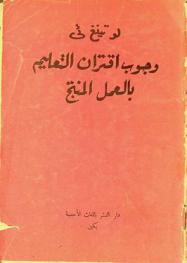

T Cell Dysfunction in Cancer Immunity and Immunotherapy
In cancer, T cells become dysfunctional owing to persistent antigen exposure. Dysfunctional T cells are characterized by reduced proliferative capacity, decreased effector function, and overexpression of multiple inhibitory receptors. Due to the presence of various inhibitory signals in the complex tumor microenvironment, tumor-specific T cells have distinct dysfunction states. Therapeutic reactivation of tumor-specific T cells has yielded good results in cancer patients. Here, we review the hallmarks of T cell dysfunction in cancer. Also, we discuss the relationship between T cell dysfunction and cancer immunotherapy.
Journal Article

Gut Microbiota and Acute Central Nervous System Injury: A New Target for Therapeutic Intervention
Acute central nervous system (CNS) injuries, including stroke, traumatic brain injury (TBI), and spinal cord injury (SCI), are the common causes of death or lifelong disabilities. Research into the role of the gut microbiota in modulating CNS function has been rapidly increasing in the past few decades, particularly in animal models. Growing preclinical and clinical evidence suggests that gut microbiota is involved in the modulation of multiple cellular and molecular mechanisms fundamental to the progression of acute CNS injury-induced pathophysiological processes. The altered composition of gut microbiota after acute CNS injury damages the equilibrium of the bidirectional gut-brain axis, aggravating secondary brain injury, cognitive impairments, and motor dysfunctions, which leads to poor prognosis by triggering pro-inflammatory responses in both peripheral circulation and CNS. This review summarizes the studies concerning gut microbiota and acute CNS injuries. Experimental models identify a bidirectional communication between the gut and CNS in post-injury gut dysbiosis, intestinal lymphatic tissue-mediated neuroinflammation, and bacterial-metabolite-associated neurotransmission. Additionally, fecal microbiota transplantation, probiotics, and prebiotics manipulating the gut microbiota can be used as effective therapeutic agents to alleviate secondary brain injury and facilitate functional outcomes. The role of gut microbiota in acute CNS injury would be an exciting frontier in clinical and experimental medicine.
Journal Article

Small molecule-assisted synthesis of carbon supported platinum intermetallic fuel cell catalysts
Supported ordered intermetallic compounds exhibit superior catalytic performance over their disordered alloy counterparts in diverse reactions. But the synthesis of intermetallic compounds catalysts often requires high-temperature annealing that leads to the sintering of metals into larger crystallites. Herein, we report a small molecule-assisted impregnation approach to realize the general synthesis of a family of intermetallic catalysts, consisting of 18 binary platinum intermetallic compounds supported on carbon blacks. The molecular additives containing heteroatoms (that is, O, N, or S) can be coordinated with platinum in impregnation and thermally converted into heteroatom-doped graphene layers in high-temperature annealing, which significantly suppress alloy sintering and insure the formation of small-sized intermetallic catalysts. The prepared optimal PtCo intermetallics as cathodic oxygen-reduction catalysts exhibit a high mass activity of 1.08 A mg
Pt
–1
at 0.9 V in H
2
-O
2
fuel cells and a rated power density of 1.17 W cm
–2
in H
2
-air fuel cells.
Synthesis of small sized Pt intermetallic catalysts remains challenging. Herewith authors prepared 18 binary Pt intermetallic compounds with small particle size by molecule-assisted synthesis strategy to in-situ form the heteroatom-doped carbon shell.
Journal Article
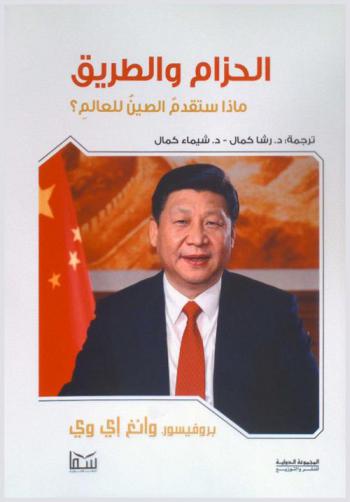
الحزام والطريق : ماذا ستقدم الصين للعالم ؟
حاول هذا الكتاب الذي بين أيديكم أن يقدم إجابات معيارية قياسية لكافة الأسئلة الجذرية المتعلقة بمبادرة \"الحزام والطريق\" والتي تقدم الصين من خلالها حلا لاستغلال قدراتها التي لا تتوقف عن التنامي لتتبوأ مقعدها كمحرك للنمو الاقتصادي العالمي في المستقبل و المتشوقين للتعرف على الملامح الحقيقية للتنين الصيني وتجربته مع سياسة الإصلاح والانفتاح طوال أكثر من ثلاثين عاما ومبادرته الجديدة ذات السمات الفوق عولمية نقدم الحزام والطريق ماذا ستقدم الصين للعالم.
Book

BCAT2-mediated BCAA catabolism is critical for development of pancreatic ductal adenocarcinoma
Branched-chain amino acid (BCAA) metabolism is potentially linked with development of pancreatic ductal adenocarcinoma (PDAC)1-4. BCAA transaminase 2 (BCAT2) was essential for the collateral lethality conferred by deletion of malic enzymes in PDAC and the BCAA–BCAT metabolic pathway contributed to non-small-cell lung carcinomas (NSCLCs) other than PDAC3,4. However, the underlying mechanism remains undefined. Here we reveal that BCAT2 is elevated in mouse models and in human PDAC. Furthermore, pancreatic tissue-specific knockout of Bcat2 impedes progression of pancreatic intraepithelial neoplasia (PanIN) in LSL-KrasG12D/+; Pdx1-Cre (KC) mice. Functionally, BCAT2 enhances BCAA uptake to sustain BCAA catabolism and mitochondrial respiration. Notably, BCAA enhances growth of pancreatic ductal organoids from KC mice in a dose-dependent manner, whereas addition of branched-chain α-keto acid (BCKA) and nucleobases rescues growth of KC organoids that is suppressed by BCAT2 inhibitor. Moreover, KRAS stabilizes BCAT2, which is mediated by spleen tyrosine kinase (SYK) and E3 ligase tripartite-motif-containing protein 21 (TRIM21). In addition, BCAT2 inhibitor ameliorates PanIN formation in KC mice. Of note, a lower-BCAA diet also impedes PDAC development in mouse models of PDAC. Thus, BCAT2-mediated BCAA catabolism is critical for development of PDAC harbouring KRAS mutations. Targeting BCAT2 or lowering dietary BCAA may have translational significance.Li et al. show that BCAA transaminase 2 enhances uptake and catabolism of branched-chain amino acids, thereby promoting development of pancreatic ductal adenocarcinoma harbouring KRAS mutations.
Journal Article
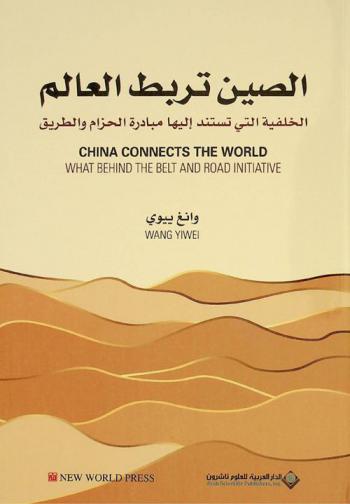
الصين تربط العالم : الخلفية التي تستند إليها مبادرة الحزام والطريق = China connects the world : what behind the belt and road initiative /
يتناول كتاب (الصين تربط العالم : الخلفية التي تستند إليها مبادرة الحزام والطريق) والذي قام بتأليفه (وانغ ييوي) في حوالي (350) صفحة من القطع المتوسط موضوع (العلاقات الاقتصادية الخارجية للصين) مستعرضا أبرز المحتويات التالية : الفصل الأول : العالم المترابط، الفصل الثاني : مبادرة الحزام والطريق : منطق العولمة، الفصل الثالث : مبادرة الحزام والطريق : منطق الحضارة، الفصل الرابع : مبادرة الحزام والطريق : المنطق الاستراتيجي.
Book

Optimization and Evaluation of a Novel Size Based Circulating Tumor Cell Isolation System
Isolation of circulating tumor cells (CTCs) from peripheral blood has the potential to provide a far easier \"liquid biopsy\" than tumor tissue biopsies, to monitor tumor cell populations during disease progression and in response to therapies. Many CTC isolation technologies have been developed. We optimized the Parsortix system, an epitope independent, size and compressibility-based platform for CTCs isolation, making it possible to harvest CTCs at the speed and sample volume comparable to standard CellSearch system. We captured more than half of cancer cells from different cancer cell lines spiked in blood samples from healthy donors using this system. Cell loss during immunostaining of cells transferred and fixed on the slides is a major problem for analyzing rare cell samples. We developed a novel cell transfer and fixation method to retain >90% of cells on the slide after the immunofluorescence process without affecting signal strength and specificity. Using this optimized method, we evaluated the Parsortix system for CTC harvest in prostate cancer patients in comparison to immunobead based CTC isolation systems IsoFlux and CellSearch. We harvested a similar number (p = 0.33) of cytokeratin (CK) positive CTCs using Parsortix and IsoFlux from 7.5 mL blood samples of 10 prostate cancer patients (an average of 33.8 and 37.6 respectively). The purity of the CTCs harvested by Parsortix at 3.1% was significantly higher than IsoFlux at 1.0% (p = 0.02). Parsortix harvested significantly more CK positive CTCs than CellSearch (p = 0.04) in seven prostate cancer patient samples, where both systems were utilized (an average of 32.1 and 10.1 respectively). We also captured CTC clusters using Parsortix. Using four-color immunofluorescence we found that 85.8% of PC3 cells expressed EpCAM, 91.7% expressed CK and 2.5% cells lacked both epithelial markers. Interestingly, 95.6% of PC3 cells expressed Vimentin, including those cells that lacked both epithelial marker expression, indicating epithelial-to-mesenchymal transition. CK-positive/Vimentin-positive/CD45-negative, and CK-negative/Vimentin-positive/CD45-negative cells were also observed in four of five prostate cancer patients but rarely in three healthy controls, indicating that Parsortix harvests CTCs with both epithelial and mesenchymal features. We also demonstrated using PC3 and DU145 spiking experiment that Parsortix harvested cells were viable for cell culture.
Journal Article