
Catalogue Search | MBRL


Are you sure you want to remove the book from the shelf?

{{itemTitle}}
2
result(s) for
"Lutz, Tom. Crying : the natural and cultural history of tears"
Sort by:
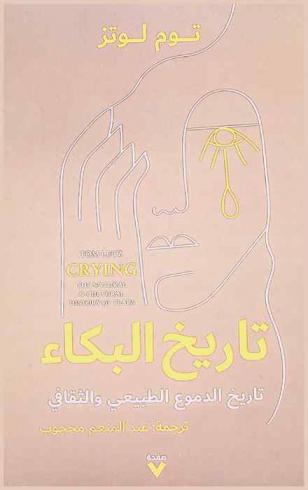

MEASURING MISERY 2 NEW BOOKS EXAMINE THE PHYSIOLOGICAL AND PSYCHOLOGICAL UNDERPINNINGS OF PAIN AND TRAUMA
Here we have a further complication, because if psychoanalysis assumes the mimetic origin of trauma--indeed, the very theory of transference relies on a form of imitation in which the patient relives an earlier relationship by projecting onto the therapist-- psychoanalytic cure requires the opposite, the telling of the story from outside the relationship, and therefore, according to [Ruth Leys], the rejection of mimesis altogether. Leys shows how uneasily these two opposing theories coexist in therapeutic practice and psychotherapeutic writing. Whether it is as damning as she suggests, finally, is perhaps unimportant to what Leys accomplishes: In charting the oscillation between mimesis and antimimesis in the major psychological theories of the 20th Century, she displays quite convincingly the shakiness of their foundations and the need for a more coherent understanding.
Newspaper Article