
Catalogue Search | MBRL


Are you sure you want to remove the book from the shelf?

{{itemTitle}}
10
result(s) for
"Müller, Marie-C."
Sort by:
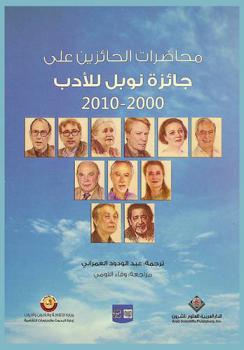
محاضرات الحائزين على جائزة نوبل للأدب، 2000-2010
يبدأ الكتاب بتقديم للدكتور \"مرزوق بشير مرزوق\" مدير إدارة البحوث والدراسات الثقافية في الدوحة ثم يتناول الكتاب عدة محاضرات وهي محاضرة ماريو برغاس يوسا 2010 بعنوان \"مديح القراءة والرواية\" ومحاضرة هرتا مولر 2009 بعنوان \"كل كلمة لديها ما تقوله حول الحلقة المفرغة\" ومحاضرة جان ماري لوكليزيو 7 ديسمبر 2008 بعنوان \"في غابة المفارقات\" ومحاضرة دوريس ليسنغ 2007 بعنوان \"حول عدم الفوز بجائزة نوبل\" ومحاضرة ارهان باموك 2006 بعنوان \"حقيبة أبي\" ومحاضرة هارولد بنتر 2005 بعنوان \"الفن والحقيقة والسياسة\" ومحاضرة ألفريدا ياليناك 2004 بعنوان \"في التماس\" ومحاضرات أخري وهذا الكتاب وثيقة أدبية فائقة الأهمية هي محاضرات تغوص في أزمنة مختلفة وتقدم أدباء ينتمون إلى لغات وثقافات مختلفة.
BOOK

Atomic resolution structures of the methane-activating enzyme in anaerobic methanotrophy reveal extensive post-translational modifications
Anaerobic methanotrophic archaea (ANME) are crucial to planetary carbon cycling. They oxidise methane in anoxic niches by transferring electrons to nitrate, metal oxides, or sulfate-reducing bacteria. No ANMEs have been isolated, hampering the biochemical investigation of anaerobic methane oxidation. Here, we obtained the true atomic resolution structure of their methane-capturing system (Methyl-Coenzyme M Reductase, MCR), circumventing the isolation barrier by exploiting microbial enrichments of freshwater nitrate-reducing ANME-2d grown in bioreactors, and marine ANME-2c in syntrophy with bacterial partners. Despite their physiological differences, these ANMEs have extremely conserved MCR structures, similar to homologs from methanogenic
Methanosarcinales
, rather than the phylogenetically distant MCR of ANME-1 isolated from Black Sea mats. The three studied enzymes have seven post-translational modifications, among them was a novel 3(
S
)-methylhistidine on the γ-chain of both ANME-2d MCRs. Labelling with gaseous krypton did not reveal any internal channels that would facilitate alkane diffusion to the active site, as observed in the ethane-specialised enzyme. Based on our data, the methanotrophic MCRs should follow the same radical reaction mechanism proposed for the methane-generating homologues. The described pattern of post-translational modifications underscores the importance of native purification as a powerful approach to discovering intrinsic enzymatic features in non-isolated microorganisms existing in nature.
Biochemical research on methane oxidation in anaerobic methanotrophic archaea is hampered by the lack of cultured isolates. Here, Müller et al. present atomic-resolution snapshots of the methane-oxidising enzymes purified from enrichment cultures, providing molecular insights into the process and revealing unusual post-translational modifications.
Journal Article

Hepatic urea, creatinine and uric acid metabolism in dairy cows with divergent milk urea concentrations
Milk urea concentration is an indicator for dietary nitrogen (N)-supply and urinary N-excretion. Dairy cows with high (HMU) compared to low milk urea (LMU) concentration have greater plasma urea, creatinine and uric acid concentrations, but if the liver metabolism accounts for these differences is unknown. Eighteen HMU and 18 LMU cows were fed a diet with a low (LP) or normal (NP) crude protein concentration. A N balance study was performed and a
13
C-urea bolus was administered to measure urea pool size. Liver samples were analyzed by 2D-gel-based proteomics and RT-qPCR. Although HMU cows had a greater urea pool, plasma urea, uric acid, and hippuric acid concentrations, these differences were not associated with altered expressions of genes related to urea cycling or N-metabolism. Instead, HMU cows had higher oxidative stress levels. Conclusively, other factors than hepatic urea metabolism account for milk urea concentrations. Despite higher plasma urea concentrations and argininosuccinate synthase 1 protein expression on the LP diet, urea cycle mRNA expressions were not affected, indicating that its activity is not controlled at transcriptional level. Feeding the LP diet resulted in increased expressions of enzymes catabolizing fatty acids, but the reason remains to be investigated in future studies.
Journal Article
Mammary gland, kidney and rumen urea and uric acid transporters of dairy cows differing in milk urea concentration
The milk urea concentration (MUC) serves as indicator of urinary nitrogen emissions, but at comparable crude protein (CP) intake, cows with high (HMU) and low (LMU) MUC excrete equal urea amounts. We hypothesized that urea and uric acid transporters and sizes of the kidney, mammary gland, and rumen account for these phenotypes. Eighteen HMU and 18 LMU Holstein dairy cows fed a low (LP) and normal (NP) CP diet were studied. Milk, plasma and urinary urea concentrations were greater with NP feeding, while plasma and urinary urea concentrations were comparable between phenotypes. Milk and plasma uric acid concentrations were higher with LP feeding but not affected by phenotype. The milk-urine uric acid ratio was greater in HMU cows. The mRNA expressions of the ruminal urea transporter
SLC14A1
and
AQP10
, the mammary gland and rumen
AQP3
, and the mammary gland uric acid transporter
ABCG2
were not affected by group or diet. Renal
AQP10,
but not
AQP3
,
AQP7
, and
SLC14A2
expressions, and the kidney weights were lower in HMU cows. These data indicate that renal size and
AQP10
limit the urea transfer from blood to urine, and that MUC determines if uric acid is more released with milk or urine.
Journal Article

A randomization-based causal inference framework for uncovering environmental exposure effects on human gut microbiota
Statistical analysis of microbial genomic data within epidemiological cohort studies holds the promise to assess the influence of environmental exposures on both the host and the host-associated microbiome. However, the observational character of prospective cohort data and the intricate characteristics of microbiome data make it challenging to discover causal associations between environment and microbiome. Here, we introduce a causal inference framework based on the Rubin Causal Model that can help scientists to investigate such environment-host microbiome relationships, to capitalize on existing, possibly powerful, test statistics, and test plausible sharp null hypotheses. Using data from the German KORA cohort study, we illustrate our framework by designing two hypothetical randomized experiments with interventions of (i) air pollution reduction and (ii) smoking prevention. We study the effects of these interventions on the human gut microbiome by testing shifts in microbial diversity, changes in individual microbial abundances, and microbial network wiring between groups of matched subjects via randomization-based inference. In the smoking prevention scenario, we identify a small interconnected group of taxa worth further scrutiny, including Christensenellaceae and Ruminococcaceae genera, that have been previously associated with blood metabolite changes. These findings demonstrate that our framework may uncover potentially causal links between environmental exposure and the gut microbiome from observational data. We anticipate the present statistical framework to be a good starting point for further discoveries on the role of the gut microbiome in environmental health.
Journal Article

Protective mucosal immunity mediated by epithelial CD1d and IL-10
Here, the presentation of lipid antigens by CD1d is shown to induce retrograde anti-inflammatory signalling in intestinal epithelial cells, resulting in the production of IL-10.
Anti-inflammatory IL-10 in the intestinal mucosa
Intestinal epithelial cells (IECs) are crucial to mucosal homeostasis, serving as a physical barrier and regulating the responses of mucosal immune cells to environmental factors. This paper shows that CD1d, a glycoprotein involved in the presentation of lipid antigens, induces a self-reinforcing pathway of protective mucosal immunity within the intestinal epithelium. The pathway is mediated by regulatory cytokines and heat shock proteins, and interference with any molecules involved (including CD1d, IL-10 and HSP110) is associated with uncontrolled intestinal inflammation. These findings could have relevance for inflammatory bowel disease and similar conditions.
The mechanisms by which mucosal homeostasis is maintained are of central importance to inflammatory bowel disease. Critical to these processes is the intestinal epithelial cell (IEC), which regulates immune responses at the interface between the commensal microbiota and the host
1
,
2
. CD1d presents self and microbial lipid antigens to natural killer T (NKT) cells, which are involved in the pathogenesis of colitis in animal models and human inflammatory bowel disease
3
,
4
,
5
,
6
,
7
,
8
. As CD1d crosslinking on model IECs results in the production of the important regulatory cytokine interleukin (IL)-10 (ref.
9
), decreased epithelial CD1d expression—as observed in inflammatory bowel disease
10
,
11
—may contribute substantially to intestinal inflammation. Here we show in mice that whereas bone-marrow-derived CD1d signals contribute to NKT-cell-mediated intestinal inflammation, engagement of epithelial CD1d elicits protective effects through the activation of STAT3 and STAT3-dependent transcription of IL-10, heat shock protein 110 (HSP110; also known as HSP105), and CD1d itself. All of these epithelial elements are critically involved in controlling CD1d-mediated intestinal inflammation. This is demonstrated by severe NKT-cell-mediated colitis upon IEC-specific deletion of IL-10, CD1d, and its critical regulator microsomal triglyceride transfer protein (MTP)
12
,
13
, as well as deletion of HSP110 in the radioresistant compartment. Our studies thus uncover a novel pathway of IEC-dependent regulation of mucosal homeostasis and highlight a critical role of IL-10 in the intestinal epithelium, with broad implications for diseases such as inflammatory bowel disease.
Journal Article

Transcriptional profiling of circulating extracellular vesicles from prebiopsy prostate cancer patients
Early detection of cancer is essential for effective treatment. However, current prostate cancer screening methods lack sufficient sensitivity and specificity, leading to overdiagnosis and unnecessary treatment. There is also an unmet need to distinguish clinically significant from insignificant prostate cancer. To identify complementary biomarkers for improved screening and diagnosis, we performed transcriptional profiling of cancer‐associated transcripts in circulating extracellular vesicles (EVs) isolated from peripheral blood of patients with suspected prostate cancer prior to biopsy and healthy donors. Expression data for 2549 mRNAs were obtained from 28 men. CAPN5 expression was significantly lower, whereas BIRC2, CASP3, CD63, FMO5, IRF6, PFDN1, PRDX6, PSMD2, RIT1, S100A2, THBS1 , and XRCC2 were significantly elevated in EVs from patients with significant prostate cancer ( n = 14) compared with cancer‐free individuals and patients with insignificant disease ( n = 14). Candidate biomarkers were subsequently evaluated by in silico validation using the The Cancer Genome Atlas (TCGA) prostate adenocarcinoma dataset and the GEO dataset GSE70768 containing benign and malignant prostate tissues. This analysis identified CASP3 , XRCC2 , and RIT1 transcripts in circulating EVs as promising biomarkers for the early detection of significant prostate cancer.
Journal Article

The alternative renin-angiotensin-system (RAS) signalling pathway in prostate cancer and its link to the current COVID-19 pandemic
Background
The renin-angiotensin system is known to maintain blood pressure and body fluids. However, it has been found to consist of at least two major constituents, the classic and the alternative pathway, balancing and supporting each other’s signalling in a very intricate way. Current research has shown that the renin-angiotensin system is involved in a broad range of biological processes and diseases, such as cancer and infectious diseases.
Methods and results
We conducted a literature review on the interaction of the renin-angiotensin system and prostate cancer and explored the research on the possible impact of the SARS-CoV-2 virus in this context. This review provides an update on contemporary knowledge into the alternative renin-angiotensin system, its role in cancer, specifically prostate cancer, and the implications of the current COVID-19 pandemic on cancer and cancer care.
Conclusion
In this work, we aim to demonstrate how shifting the RAS signalling pathway from the classic to the alternative axis seems to be a viable option in supporting treatment of specific cancers and at the same time demonstrating beneficial properties in supportive care. It however seems to be the case that the infection with SARS-CoV-2 and subsequent impairment of the renin-angiotensin-system could exhibit serious deleterious long-term effects even in oncology.
Journal Article

A randomization-based causal inference framework for uncovering environmental exposure effects on human gut microbiota
Abstract Statistical analysis of microbial genomic data within epidemiological cohort studies holds the promise to assess the influence of environmental exposures on both the host and the host-associated microbiome. The observational character of prospective cohort data and the intricate characteristics of microbiome data make it, however, challenging to discover causal associations between environment and microbiome. Here, we introduce a causal inference framework based on the Rubin Causal Model that can help scientists to investigate such environment-host microbiome relationships, to capitalize on existing, possibly powerful, test statistics, and test plausible sharp null hypotheses. Using data from the German KORA cohort study, we illustrate our framework by designing two hypothetical randomized experiments with interventions of (i) air pollution reduction and (ii) smoking prevention. We study the effects of these interventions on the human gut microbiome by testing shifts in microbial diversity, changes in individual microbial abundances, and microbial network wiring between groups of matched subjects via randomization-based inference. In the smoking prevention scenario, we identify a small interconnected group of taxa worth further scrutiny, including Christensenellaceae and Ruminococcaceae genera, that have been previously associated with blood metabolite changes. These findings demonstrate that our framework may uncover potentially causal links between environmental exposure and the gut microbiome from observational data. We anticipate the present statistical framework to be a good starting point for further discoveries on the role of the gut microbiome in environmental health. Competing Interest Statement The authors have declared no competing interest. Footnotes * https://github.com/AliceSommer/Causal_Microbiome_Tutorial * https://github.com/AliceSommer/Pipeline_Microbiome
Paper
Pit-and trench-forming osteoclasts:a distinction that matters
Osteoclasts(OCs)seeded on bone slices either drill round pits or dig long trenches.Whereas pits correspond to intermittent resorption,trenches correspond to continuous and faster resorption and require a distinct assembly of the resorption apparatus.It is unknown whether the distinction between pits and trenches has any biological relevance.Using OCs prepared from different blood donors,we found that female OCs achieved increased resorption mainly through pit formation,whereas male OCs did so through trench formation.Trench formation went along with high collagenolytic activity and high cathepsin K(CatK)expression,thereby allowing deeper demineralization.A specific CatK inhibitor abrogated the generation of trenches,while still allowing the generation of pits.OCs obtained from bone marrow were more prone to generate trenches than those obtained from blood.Scanning electron microscopy of bone surfaces eroded in vivo showed trenches and pits of similar size as those made by OCs in culture.We conclude that the d
Journal Article