
Catalogue Search | MBRL


Are you sure you want to remove the book from the shelf?

{{itemTitle}}
9
result(s) for
"Mamdani, Mahmood, 1946-"
Sort by:


Scholars in the marketplace
Scholars in the Marketplace is a case study of market-based reforms at Uganda's Makerere University. With the World Bank heralding neoliberal reform at Makerere as the model for the transformation of higher education in Africa, it has implications for the whole continent. At the global level, the Makerere case exemplifies the fate of public universities in a market-oriented and capital friendly era. The Makerere reform began in the 1990s and was based on the premise that higher education is more of a private than a public good. Instead of pitting the public against the private, and the state against the market, this book shifts the terms of the debate toward a third alternative than explores different relations between the two. The book distinguishes between privatisation and commercialisation, two processes that drove the Makerere reform. It argues that whereas privatisation (the entry of privately sponsored students) is compatible with a public university where priorities are publicly set, commercialisation (financial and administrative autonomy for each faculty to design a market-responsive curriculum) inevitably leads to a market determination of priorities in a public university. The book warns against commercialisation of public universities as the subversion of public institutions for private purposes.
eBook

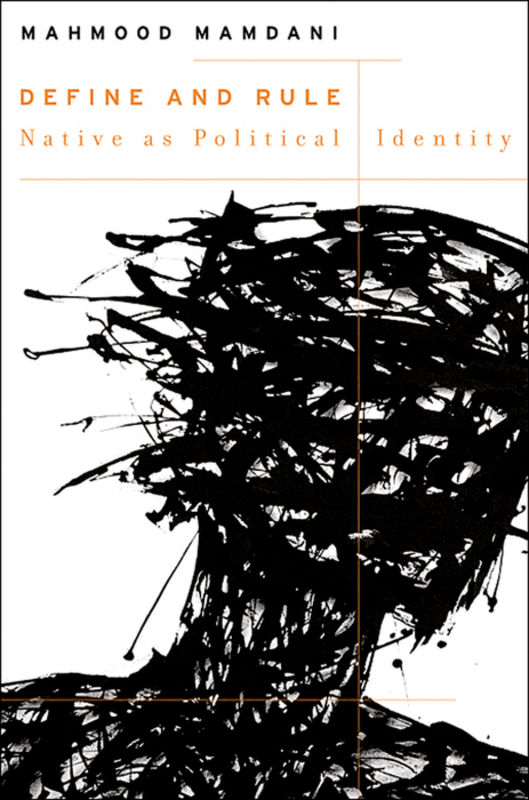
Define and rule : native as political identity
When Britain abandoned its attempt to eradicate difference between conqueror and conquered and introduced a new idea of governance as the definition and management of difference, lines of political identity were drawn between settler and native, and between natives according to tribe. Out of this colonial experience arose a language of pluralism.
eBook

دارفور : منقذون وناجون : السياسة والحرب على الإرهاب
يدرس المؤلف، بمنهج أكاديمي رفيع المستوى، مسألة دارفور، في أطرها التاريخية والاجتماعية والسياسية، منطلقا من التفكير في أربعة افتراضات تتعلق بالتراث، والقبلية، والعرق، والموقع. ثم يحلل أسباب الصراع في دارفور، كاشفا دور الاستعمارين القديم والحديث في التأسيس للصراع، وتعميقه، وحصر تعريف الصراع في دارفور بما يجري على محور الشمال-الجنوب، وبالتالي تصويره بأنه صراع عرقي بين \"العرب\" و\"السود\"، ناهيك عن حجب مسألة الأرض الرئيسية في الصراع. ويتعمق المؤلف في بيان التعبئة للحرب الأهلية في دارفور ؛ وإدارتها عبر المؤسسات القبلية، مشيرا إلى أنها لم تكن في أي من مراحلها بين \"الأفارقة\" و\"العرب\"، كاشفا أن الاختلاف يكمن في أن القبائل المتخاصمة على طول محور الشمال-الجنوب كانت \"عربية\" و\"غير عربية\"، في حين إن القبائل المتخاصمة على محور الجنوب-الجنوب \"عربية\" في الجانبين. وكان من نتائج عمل حركة إنقاذ دارفور-ووسائل الإعلام في أعقاب ذلك-التعتيم على محور الجنوب-الجنوب في الصراع لإظهار العنف بأنه إبادة جماعية يرتكبها \"العرب\" ضد الضحايا \"الأفارقة\" (؟!). ويخلص الكاتب إلى القول، إن مشكلة دارفور تدعو، في التحليل النهائي، إلى حل ثلاثي : (1) إحلال السلام عن طريق المفاوضات، و(2) إصلاح السلطة في دولة السودان، و(3) إصلاح أنظمة الأرض والحكم داخل دارفور.
Book

When victims become killers : colonialism, nativism, and the genocide in Rwanda
\"When we captured Kigali, we thought we would face criminals in the state; instead, we faced a criminal population.\" So a political commissar in the Rwanda Patriotic Front reflected after the 1994 massacre of as many as one million Tutsis in Rwanda. Underlying his statement is the realization that, though ordered by a minority of state functionaries, the slaughter was performed by hundreds of thousands of ordinary citizens, including even judges, human rights activists, and doctors, nurses, priests, friends, and spouses of the victims. Indeed, it is its very popularity that makes the Rwandan genocide so unthinkable. This book makes it thinkable.Rejecting easy explanations of the genocide as a mysterious evil force that was bizarrely unleashed, one of Africa's best-known intellectuals situates the tragedy in its proper context. He coaxes to the surface the historical, geographical, and political forces that made it possible for so many Hutu to turn so brutally on their neighbors. He finds answers in the nature of political identities generated during colonialism, in the failures of the nationalist revolution to transcend these identities, and in regional demographic and political currents that reach well beyond Rwanda. In so doing, Mahmood Mamdani usefully broadens understandings of citizenship and political identity in postcolonial Africa.There have been few attempts to explain the Rwandan horror, and none has succeeded so well as this one. Mamdani's analysis provides a solid foundation for future studies of the massacre. Even more important, his answers point a way out of crisis: a direction for reforming political identity in central Africa and preventing future tragedies.
eBook

المواطنة والرعية : إفريقيا المعاصرة وتراث الكولونيالية المتأخرة
يطرح محمود ممدانى تحليلا مثيرا للعقبات التي اعترضت طريق الدمقرطه في إفريقيا خلال مرحلة ما بعد الاستقلال وفى سعيه لتحليل تلك العقبات قدم مممدانى رصدا جزئيا وعميقا للتراث الاستعماري عبر تحليله لسلطة الدولة الاستعمارية ذات البنية الثنائية التي كانت تقوم بتنظيم السيطرة الاستعمارية السلالية من خلال سلسلة من السلطات المحلية المنظمة على أسس قبلية فتعيد بذلك إنتاج الهوية السلالية داخل المواطنين الأوروبيين والهويات العرقية داخل الرعية من أهالي البلاد ومن خلال اكتشاف وتوظيف الإمكانيات التسلطية داخل الثقافة.
BOOK
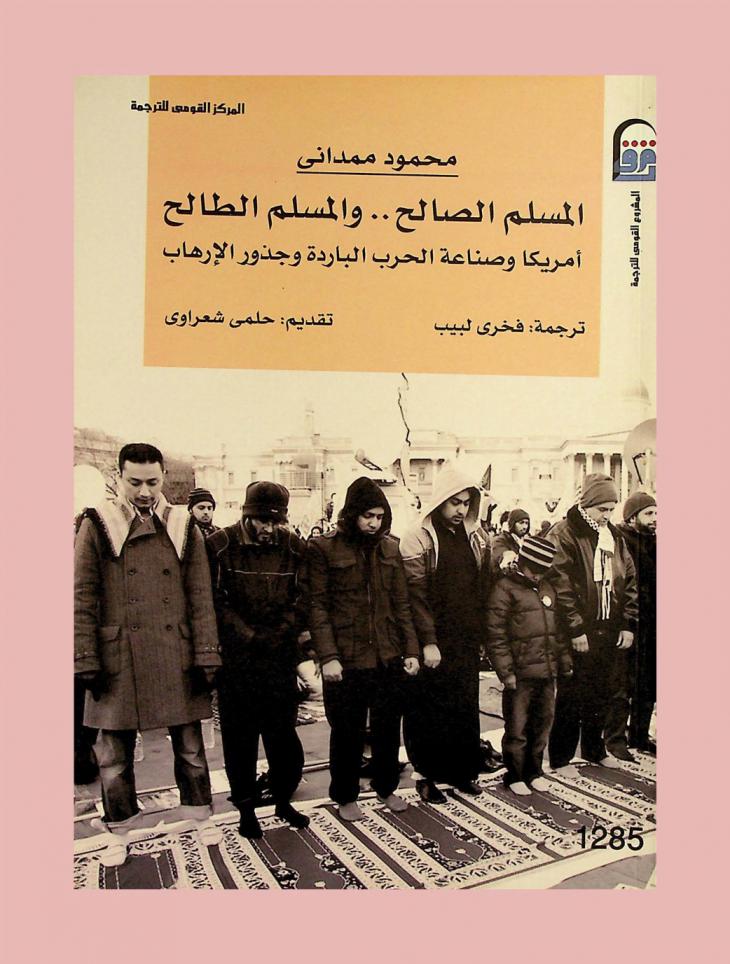
المسلم الصالح والمسلم الطالح : أمريكا وصناعة الحرب الباردة وجذور الإرهاب
يعد كتاب \"المسلم الصالح والمسلم الطالح\" : أمريكا، والحرب الباردة، وجذور الإرهاب\"، صرخة فى وجه الهيمنة الأمريكية وتصنيفها الدائم للشعوب وفق مصالح القوة الأمريكية الطاغية ونفوذها. ففى الحرب الباردة استعملت الخطاب الأيديولوجى لينقسم عندها إلى معسكر الشر، من نوعية الاتحاد السوفيتى والدول المتهمة باليسارية، ومعسكر الموالين الذين عاونوها فى معاركها، وعندئذ يكون المسلمون الطيبون هم المعادون للشيوعية، والمحاربون معها فى أفغانستان.
Book