
Catalogue Search | MBRL


Are you sure you want to remove the book from the shelf?

{{itemTitle}}
3,553
result(s) for
"Martin, Mario"
Sort by:
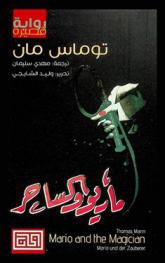
ماريو والساحر : رواية قصيرة
إنه عام 1929 ؛ ستالين يعتلي السلطة في روسيا، موسوليني يدعو الإيطاليين لإعادة أمجاد أباطرة الرومان والحزب النازي يغذي مرجل هتلر ليقفز سريعا فوق كاهل ألمانيا. بينما اختارت أوروبا الفاشية، تخير توماس مان لنفسه مسارات تتسم باحترام الآخر والنزوع إلى القيم الديموقراطية، ما جعله، في نهاية الأمر، ملاحقا من قبل الحزب النازي الألماني، ما أدى إلى فراره إلى سويسرا عام 1933 وإلى الولايات المتحدة بعد اندلاع الحرب العالمية الثانية عام 1939. (ماريو والساحر) مثال على هذه الأفكار الطليعية التي حملها توماس مان بالإضافة إلى تماسه مع رؤى غوته ونيتشه وشوبنهاور وشكلت لاحقا صورة ما بات يعرف حينها بأدب الألمان المنفيين المعارضين للقيم الشمولية أمثال ثيودور أدورنو وحنه آرندت وغيرهما. أخذت القصة طريقها إلى الأوبرا أكثر من مرة ابتداء من عام 1989، كما وقدمت في شريط سينمائي ألماني عام 1994 في مهرجان موسكو السينمائي العالمي التاسع عشر.
Book

Cranial trephination and infectious disease in the Eastern Mediterranean: The evidence from two elite brothers from Late Bronze Megiddo, Israel
Here we present the paleopathological profiles of two young adult males, identified as brothers through ancient DNA analysis, who were buried together beneath the floor of an elite early Late Bronze Age I (ca. 1550–1450 BC) domestic structure at the urban center of Megiddo (modern Israel). Both individuals displayed uncommon morphological variants related to developmental conditions, and each exhibited extensive bone remodeling consistent with chronic infectious disease. Additionally, one brother had a healed fracture of the nose, as well as a large square piece of bone cut from the frontal bone (cranial trephination). We consider the potential etiologies for the appearance of the skeletal anomalies and lesions. Based on the bioarchaeological context, we propose that a shared epigenetic landscape predisposed the brothers to acquiring an infectious disease and their elite status privileged them enough to endure it. We then contextualize these potential illnesses and disorders with the trephination procedure. The infrequency of trephination in the region indicates that only selected individuals could access such a procedure, and the severity of the pathological lesions suggests the procedure was possibly intended as curative to deteriorating health. Ultimately, both brothers were buried with the same rites as others in their community, thus demonstrating their continued integration in society even after death.
Journal Article
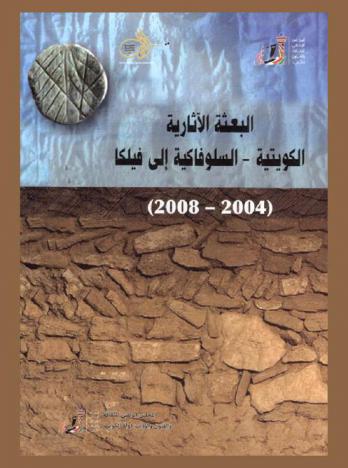
البعثة الآثارية الكويتية-السلوفاكية إلى فيلكا (2004-2008) /
يتناول كتاب (البعثة الآثارية الكويتية-السلوفاكية إلى فيلكا (2004-2008)) والذي قام بتأليفه (لوسيا بنيديكوفا) في حوالي (63) صفحة من القطع المتوسط موضوع (تاريخ الإمارات) مستعرضا المحتويات التالية : الأبحاث الأثرية في جزيرة فيلكا، الخضر، رسم الخرائط والمسح، الجيوفيزيائيات، التنقيب، علم الآثار البيئية، نظام المعلومات الجغرافية وعلم الآثار الرقمي، الصيانة والترميم، فخاريات دلمون، القطع المعدنية.
Book

Exotic foods reveal contact between South Asia and the Near East during the second millennium BCE
Although the key role of long-distance trade in the transformation of cuisines worldwide has been well-documented since at least the Roman era, the prehistory of the Eurasian food trade is less visible. In order to shed light on the transformation of Eastern Mediterranean cuisines during the Bronze Age and Early Iron Age, we analyzed microremains and proteins preserved in the dental calculus of individuals who lived during the second millennium BCE in the Southern Levant. Our results provide clear evidence for the consumption of expected staple foods, such as cereals (Triticeae), sesame (Sesamum), and dates (Phoenix). We additionally report evidence for the consumption of soybean (Glycine), probable banana (Musa), and turmeric (Curcuma), which pushes back the earliest evidence of these foods in the Mediterranean by centuries (turmeric) or even millennia (soybean). We find that, from the early second millennium onwards, at least some people in the Eastern Mediterranean had access to food from distant locations, including South Asia, and such goods were likely consumed as oils, dried fruits, and spices. These insights force us to rethink the complexity and intensity of Indo-Mediterranean trade during the Bronze Age as well as the degree of globalization in early Eastern Mediterranean cuisine.
Journal Article

Leptospirosis in the Caribbean Region between 2000 and 2022: A scoping review of morbidity and mortality
Leptospirosis remains an important yet underreported public health concern in the Caribbean. Urbanisation, biodiversity loss and human encroachment into natural habitats have contributed to shifts in its epidemiological patterns. However, accurate assessment of disease burden is hindered by limited diagnostic capacity, surveillance challenges, and scarce research. We aim to describe geographical and temporal distribution of leptospirosis epidemiology in Caribbean Island Countries and Territories (CRICTs) and identify patterns and gaps in knowledge.
We conducted a systematic search across PubMed, Web of Science, Embase, Scopus, and the Latin America and Caribbean Health Sciences Literature databases, between 2000-2022, without language restrictions. Eligible publications were routine surveillance-based studies or cross-sectional seroprevalence surveys. We followed the Preferred Reporting Items for Systematic Reviews and Meta-analyses extension for Scoping Reviews (PRISMA-ScR) protocol. Of 110 full-text articles reviewed, 16 met inclusion criteria, documenting leptospirosis in 15 of 27 CRICTs (55.6%). Between 2000-2010, we identified an average of 2.6 studies per year, compared to just 1.2 between 2011-2022. Nine studies (60.0%) reported surveillance data, and six (40.0%) were seroprevalence surveys. Two studies reported hospitalisation rate (12.5%), and five studies, case fatality rate (31.3%). There were more than one publication from Guadeloupe, Jamaica, Puerto Rico, St. Lucia and Trinidad and Tobago. Although most studies acknowledged links between leptospirosis and extreme weather, only three were specifically designed to investigate this association.
Our findings highlight critical gaps in leptospirosis burden and research across the Caribbean. The scarcity of recent studies investigating epidemiological differences across rural and urban settings, and the impact of environmental changes, contributes to limited characterisation of evolving transmission patterns across the region. Strengthening regional research capacity and surveillance systems is essential to inform targeted public health strategies and reduce the disease's burden locally.
Journal Article
Reactive case detection can improve the efficiency of lymphatic filariasis surveillance compared to random sampling, Samoa 2023
In Samoa, lymphatic filariasis (LF) remains endemic despite persistent elimination efforts. Targeted sampling based on locations of known infections could be an efficient strategy for locating infected individuals and residual infections to support these efforts. This cross-sectional study assesses the efficiency of reactive case detection versus random sampling for identifying LF antigen (Ag)- and microfilaria (Mf)-positive individuals in Samoa in varying Ag prevalence scenarios.
In 2023, six primary sampling units (PSUs) were surveyed using random and targeted sampling strategies. PSUs were selected based on Ag prevalence in 2019; two PSUs each with low (3-5%), medium (6-7%) and high (13-17%) Ag prevalence. The randomly selected group included residents aged ≥5 years in 15 houses per PSU. The targeted group included residents aged ≥5 years in up to eight households within 200 metres of a household where Ag-positive resident(s) were identified in 2019. Blood samples were tested for Ag and examined for Mf.
The targeted sampling strategy (n = 400 people) identified more positives (57 Ag-positive, 23 Mf-positive) than the random sampling strategy (n = 494, 39 Ag-positive, 16 Mf-positive), with an overall targeted:random sampled case ratio of 1.8 (95% CI 1.3-2.5) for Ag and 1.8 (95% CI 1.1-3.1) for Mf. Efficiency gains were greatest in medium prevalence PSUs for both Ag-positives (ratio = 2.4, 95% CI 1.3-5.2) and Mf-positives (ratio = 2.6, 95% CI 0.9-12.8).
In Samoa, a targeted sampling strategy using reactive case detection was more efficient for locating Ag-positive and Mf-positive individuals compared to random sampling, with the highest efficiency gain in medium Ag prevalence settings. Our study demonstrates the value of testing household members of near neighbours of Ag-positive and helps to inform LF surveillance strategies in Samoa and the Pacific region by promoting more efficient resource allocation.
Journal Article

Synapse-specific astrocyte gating of amygdala-related behavior
Astrocytes differentially regulate excitatory and inhibitory synaptic transmission in the CeM, the major output nucleus of the amygdala. Astrocytes thereby reduce neuronal activity in the CeM and diminish fear expression
in vivo
. Therefore, astrocytes influence neural network activity and animal behavior through the regulation of specific synapses.
The amygdala plays key roles in fear and anxiety. Studies of the amygdala have largely focused on neuronal function and connectivity. Astrocytes functionally interact with neurons, but their role in the amygdala remains largely unknown. We show that astrocytes in the medial subdivision of the central amygdala (CeM) determine the synaptic and behavioral outputs of amygdala circuits. To investigate the role of astrocytes in amygdala-related behavior and identify the underlying synaptic mechanisms, we used exogenous or endogenous signaling to selectively activate CeM astrocytes. Astrocytes depressed excitatory synapses from basolateral amygdala via A
1
adenosine receptor activation and enhanced inhibitory synapses from the lateral subdivision of the central amygdala via A
2A
receptor activation. Furthermore, astrocytic activation decreased the firing rate of CeM neurons and reduced fear expression in a fear-conditioning paradigm. Therefore, we conclude that astrocyte activity determines fear responses by selectively regulating specific synapses, which indicates that animal behavior results from the coordinated activity of neurons and astrocytes.
Journal Article

The Social Dynamics of Lovesickness and the Ecclesiastical Project's Expansion in Medieval Northern Europe
The aim of this article is to analyze the social patterns of lovesickness in thirteenth century Iceland and Norway. I approach feelings from an anthropological perspective and understand them as emotional concepts that shed light not on the inner state of the individual, but rather on the social context in which one is integrated. Special attention is paid to the relationship between love and grief in Vǫlsunga saga, Tristrams saga , and the Strengleikar . In these sources, most of the concepts for grief, pain, and sorrow are associated with love affairs, and can be the result of infatuation, of the impossibility for the sweethearts to stay together, or of the beloved's death. This affection is also understood as an illness whose only remedy lies in the loved person. The emphasis placed on the conjugal relationship runs parallel to historical changes in kinship structure and marriage rules. Thus, emotional concepts and literary expressions of love could react against social practices and pave the way for the insertion of Christian laws. However, the Christian marriage model was not totally opposed to secular interests, as the economic and political gains of marriages were still crucial in both medieval literature and law.
Journal Article

Discrimination based on gender identity and decision-making regarding HIV/STI-protected sex, a cross-sectional study among trans and non-binary people in Germany
Background
Trans and non-binary people are often discriminated against. Discrimination has a negative impact on health and may affect sexual health and behavior. We explored the relationship between discrimination based on gender identity and the perceived ability to make decisions about their sex life to feel as protected as desired from HIV and sexually transmitted infections (STI) among trans and non-binary people in Germany. Secondarily, we assessed whether feeling unable of making HIV/STI-protected sex decisions was associated with behaviors related to increased HIV/STI risk.
Methods
We conducted a cross-sectional study using data from the Sexual Health and HIV/STI in Trans and Non-Binary Communities (TASG) survey conducted online between March-July 2022 among trans and/or non-binary people aged 18 years and older living in Germany. We described the prevalence of frequent discrimination based on gender identity. We calculated prevalence ratios (PR) with 95% confidence intervals (95% CI) for the associations between frequent experienced discrimination based on gender identity and feeling unable of making HIV/STI-protected sex decisions, and between feeling unable of making HIV/STI-protected sex decisions and behaviors related to increased HIV/STI risk.
Results
Among 3077 participants, 22% reported frequent discrimination based on gender identity. Participants experiencing such discrimination reported 1.4 times more often to feel unable to make HIV/STI-protected sex decisions (PR 1.4, 95% CI 1.1–1.8). This perceived inability was associated with increased prevalence of sex under drug influence (PR 2.9, 95% CI 2.3–3.7) and condomless penetrative sex with multiple partners without PrEP (PR 2.0, 95% CI 1.4–2.9).
Conclusion
Feeling unable to make decisions to feel protected from HIV/STI among trans and non-binary people was associated with both frequent discrimination and behaviors that increase the HIV/STI risk. Strategies for empowering trans and non-binary people to assert their sexual decision-making needs should be explored.
Journal Article

Systematic review exploring the burden of sexually transmissible infections and bloodborne viruses in refugees and asylum seekers: insights to inform policy and practice
BackgroundIn 2022, the number of refugees and asylum seekers (RAS) have reached an all-time high of 40.7 million globally. The surge in RAS, coupled with their limited access to healthcare (at their home and destination countries), has led to the risk of transmitting/acquiring sexually transmissible infections (STIs) and bloodborne viruses (BBVs). This situation threatens the health of RAS and poses a public health challenge to destination countries, potentially placing a burden on healthcare systems and resources. Healthcare recommendations for screening programmes for RAS vary between countries, leading to disparities in STI/BBV screening practices on arrival. These disparities can impact early detection and treatment of STIs/BBVs, increasing the risk of onward transmission and long-term negative sequelae. Therefore, this systematic review aims to investigate the prevalence and factors associated with STIs/BBVs among RAS.MethodsSix databases (ie, PubMed, Embase, Scopus, Cochrane Library, Web of Science and CINAHL) were searched for observational studies reporting STIs/BBVs prevalence and/or risk factors among RAS. The inverse variance heterogeneity model with double arcsine transformation was applied to prevalence meta-analysis of STIs/BBVs by region of origin of RAS. Narrative data synthesis was undertaken to summarise risk factors associated with STIs/BBVs.ResultsA total of 21 studies (n=504 432 RAS) were included. Most studies were conducted among RAS arriving in Europe (n=14), followed by North America (n=5) and Australia (n=2). The highest prevalence of HIV (1.55%; 95% CI 0.53 to 3.04), syphilis (1.29%; 95% CI 0.59 to 2.24) and hepatitis B (6.50%; 95% CI 2.29 to 12.46) were observed among RAS from sub-Saharan Africa. The highest prevalence of hepatitis C was found in RAS from Southeast Asia (3.96%; 95% CI 2.74 to 5.38) and North Africa (3.59%; 95% CI 1.33 to 6.79). The highest prevalence of chlamydia was reported among RAS from the Middle East (1.48%; 95% CI 0.00 to 4.73) and Eastern Europe (1.40%; 95% CI 0.38 to 4.96). History of STIs, torture, blood transfusion and African origin were identified as factors associated with increased prevalence of STIs/BBVs.ConclusionsThis study underscores the regional disparities in the burden of STIs/BBVs among RAS. These findings highlight the importance of targeted screening for STIs/BBVs based on the country/region of origin and individual risk factors, and implementation of mitigation measures (eg, improving healthcare access and raising awareness) tailored to their unique needs. Such measures are crucial for reducing the impact of STIs/BBVs in both RAS and host countries.PROSPERO registration numberCRD42024546750.
Journal Article