
Catalogue Search | MBRL


Are you sure you want to remove the book from the shelf?

{{itemTitle}}
347
result(s) for
"Martin Indyk"
Sort by:

Master of the game : Henry Kissinger and the art of Middle East diplomacy
\"A perceptive and provocative history of Henry Kissinger's diplomatic negotiations in the Middle East that illuminates the unique challenges and barriers Kissinger and his successors have faced in their attempts to broker peace between Israel and its Arab neighbors\"-- Provided by publisher.
Book

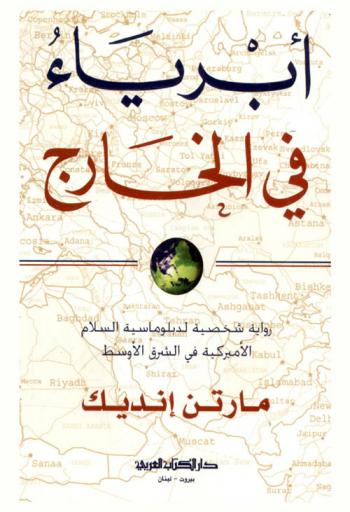
أبرياء في الخارج : رواية شخصية لدبلوماسية السلام الأميركية في الشرق الأوسط
يستفيد مارتن إنديك من السنوات العديدة من المشاركة المكثفة في المنطقة في وضع قصة داخلية للمرة الأخيرة التي استخدمت فيها الولايات المتحدة الدبلوماسية المستدامة لإنهاء الصراع العربي الإسرائيلي وتغيير سلوك النظامين البعثي في العراق والإسلامي في إيران. \"أبرياء في الخارج تاريه ثاقب البصيرة وذكرى مؤلمة، يقدم فيه إنديك استقصاء للنتائج الساخرة للقاء السذاجة الأميركية والريبة الشرق أوسطية في بازارات المنطقة السياسية، ويحلل الاستراتيجيات المختلفة جدا التي اتبعها بيل كلينتون وجورج دبليو بوش ليوضح لماذا واجه كلاهما مصاعب جمة في إعادة صنع الشرق الأوسط وفقا لتصوريهما في جعله مكانا ينعم بمزيد من السلام أو الديمقراطية ويقدم تفاصيل جديدة حول انهيار محادثات السلام العربية الإسرائيلية في كمب ديفيد، وفشل السي آي إيه في الإطاحة بصدام حسين، ومحاولات كلينتون التفاوض مع الرئيس الإيراني. يلج بنا إنديك داخل المكتب البيضوي، وغرفة الأوضاع، وقصور الحكام العرب، ومكاتب رؤساء الوزراء الإسرائيليين. ويرسم صورا شخصية عن القادة الأميركيين والإسرائيليين والعرب الذين تعامل معهم، بمن فيهم إسحاق رابين وإيهود بارام وارييل شارون، ورئيس اللجنة التنفيذية لمنظمة التحرير الفلسطينية ياسر عرفات، والرئيس المصري حسني مبارك، والرئيس السوري حافظ الأسد. ويقدم تفاصيل شيقة عن الاجتماعات العالمية المستوى، ويبين مقدار الصعوبة التي يواجهها الرؤساء الأميركيون في فهم دوافع قادة الشرق الأوسط ونواياهم، وكيف أنهم يمكن أن يفوتوا بسهولة تلك اللحظات التي يبدي فيها هؤلاء القادة الاستعداد للعمل بطرق يمكن أن تؤدي إلى إحداث اختراقات نحو السلام. \"أبرياء في الخارج\" رواية صريحة ومهمة لفهم العقبات التي أربكت العملية السلهية في الفترة الأخيرة. وفيه يقدم إنديك الدروس المستفادة من الإخفاقات الماضية ويرسم طريقا جديدا للتقدم إلى الإمام.
Book

Camp David
In September 1978 William Quandt, a member of the White House National Security Council staff, spent thirteen momentous days at Camp David, the presidential retreat in Maryland, where three world leaders were holding secret negotiations. When U.S. President Jimmy Carter, Egyptian President Anwar Sadat, and Israeli Prime Minister Menachem Begin emerged from their talks, they announced a signal accomplishment: the first peace agreement between Israel and one of its Arab neighbors, Sadat's Egypt.
Quandt, drawing on what he saw and heard during the talks and on official documents, wroteCamp Davidin order to show how presidents negotiate difficult issues. His book has become, with time, a scholarly classic and, as Martin Indyk notes in his foreword, \"a model of critical, in-depth, fact-based, policy-relevant research.\"
Quandt's book is not only an eyewitness account but also a scholar's reconstruction of a milestone event in Middle East diplomacy, with insights into the people, politics, and policies. HisCamp Davidhas provided a comprehensive and lasting guide to the difficult negotiations surrounding the talks, including the fraught scenario leading up to the meetings at the presidential retreat and the talks and accord that would lead to Sadat and Begin jointly receiving the 1978 Nobel Peace Prize.
Praise forCamp David: Peacemaking and Politics\"The most authoritative account of a major historic event, written with scrupulous scholarship by a key behind-the-scenes participant.\" -Zbigniew Brzezinski, Adviser to the President for National Security Affairs, 1977-81
\"An excellent piece of work... will represent a major contribution to the academic literature on American Middle East policy during the Carter administration. No one but Bill Quandt could, in my view, write so knowledgeable, yet so judiciously balanced, an account.\" -Hermann Frederick Eilts, Director, Boston University Center for International Relations, and ambassador to Egypt, 1973-79
\"Quandt writes as a participant in the process and as a thoughtful, proven scholar, an expert on international diplomacy and on the Middle East.\" -Foreign Affairs
eBook
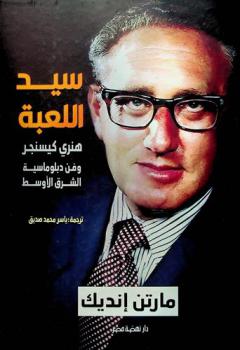
سيد اللعبة : هنري كيسنجر وفن دبلوماسية الشرق الأوسط
يروي الكتاب كيف قلب الرئيس أنور السادات الحسابات بشن حرب السادس من أكتوبر عام 1973، ومن بعدها إصراره على خوض معركة صنع السلام، هذا الصراع الدبلوماسي الذي دار في غرف التفاوض بين مصر وإسرائيل بوساطة وزير الخارجية الأمريكي هنري كيسنجر، حيث يأخذك هذا الكتاب لتلك العرف ليروي كيف تلاعب كيسنجر بالعرب وضغط على إسرائيل لتعزيز أهداف واشنطن ومصالح إسرائيل، لكنه لم يخف إعجابه بشخصية الرئيس السادات ورؤيته التي تخطت حاجز الزمن وهو ما خالف تقدير كيسنجر الأول له ؛ فقد كان السادات في كثير من الأحيان متقدما بخطوتين على كيسنجر، فنجح بحنكته السياسية وشجاعته في إعادة سيناء بأكملها إلى مصر.
Book

Restoring the Balance: A Middle East Strategy for the Next President
The next U.S. president will need to pursue a new strategic framework for advancing American interests in the Middle East. The mounting challenges include sectarian conflict in Iraq, Iran's pursuit of nuclear capabilities, failing Palestinian and Lebanese governments, a dormant peace process, and the ongoing war against terror. Compounding these challenges is a growing hostility toward U.S. involvement in the Middle East. The old policy paradigms, whether President George W. Bush's model of regime change and democratization or President Bill Clinton's model of peacemaking and containment, will no longer suit the likely circumstances confronting the next administration in the Middle East. In R estoring the Balance, experts from the Saban Center at the Brookings Institution and from the Council on Foreign Relations propose a new, nonpartisan strategy drawing on the lessons of past failures to address both the short-term and long-term challenges to U.S. interests. Following an overview chapter by Richard N. Haass, president of the Council on Foreign Relations, and Martin Indyk, director of the Saban Center, individual chapters address the Arab-Israeli conflict, counterterrorism, Iran, Iraq, political and economic development, and nuclear proliferation. Specific policy recommendations stem from in-depth research and extensive dialogue with individuals in government, media, academia, and the private sector throughout the region. The experts include Stephen Biddle, Isobel Coleman, Steven A. Cook, Steven Simon, and Ray Takeyh from the Council on Foreign Relations and Daniel L. Byman, Suzanne Maloney, Kenneth M. Pollack, Bruce Riedel, ShibleyTelhami, and Tamara Cofman Wittes from Brookings' Saban Center.
eBook

US Policy in the Middle East After a Nuclear Deal With Iran
Israel's concern is greatest when it comes to what happens at the end of the fifteen-year period when Iran will have a full-fledged nuclear program rendered legitimate by its compliance with this agreement and therefore not subject to sanctions.
Journal Article

Which Path to Persia?: Options for a New American Strategy toward Iran
Crafting a new policy toward Iran is a complicated, uncertain, and perilous challenge. Since it is an extremely complex society, with an opaque political system, it is no wonder that the United States has not yet figured out the puzzle that is Iran. With the clock ticking on Iran's pursuit of nuclear capabilities, solving this puzzle is more urgent than ever. In Which Path to Persia? a group of experts with the Saban Center for Middle East Policy at Brookings lays out the courses of action available to the United States. What are the benefits and drawbacks of airstrikes? Can engagement be successful? Is regime change possible? In answering such questions, the authors do not argue for one approach over another. Instead, they present the details of the policies so that readers can understand the complexity of the challenge and decide for themselves which course the United States should take.
eBook

The Road Ahead: Middle East Policy in the Bush Administration's Second Term
The \"war on terror\" and the battle in Iraq provided the framework for George W. Bush's first term in office. As he embarked on a second term, the president reaffirmed his administration's commitment to a transformative Middle East agenda that now includes the challenges of promoting democracy, non-proliferation, and Israeli-Palestinian peace. The Saban Center at the Brookings Institution commissioned a group of its experts to critique the Bush administration's first-term performance and present alternative approaches for its second term. The Road Aheadcovers the full set of challenges confronting President Bush in his second term: from fighting Binladenism to promoting Arab reform; from achieving Middle East peace to saving Iraq; and from tackling Iran to engaging Syria and Saudi Arabia. The contributors argue that the Bush administration will need to develop an integrated Middle East strategy that improves the prospects for achieving a priority identified during the 2004 presidential campaign: strengthening alliances and utilizing them to ease the burden on American leadership. The Road Ahead provides the necessary elements for a genuinely integrated strategic framework that will help decisionmakers manage both the changes and the continuities in America's post-9/11 Middle East policy.
Contributors: Martin Indyk, Flynt Leverett, Kenneth Pollack, James Steinberg, Shibley Telhami, and Tamara Cofman Wittes, all connected with the Saban Center at the Brookings Institution.
A Saban Center Report
eBook

President Trump’s Options for Israeli-Palestinian Deal Making
President-elect Trump has repeatedly declared his desire to make peace between Israelis and Palestinians “for humanity’s sake,” viewing it as the “ultimate deal,” and suggesting that he would appoint his son-in-law, Jared Kushner, as his special envoy for this purpose. He would not be the first American president to hear the siren song of the Nobel Peace Prize committee, but he would be the first real estate developer to try to reach for the “brass ring,” and his experience with making land deals as well as his unconventional, disruptive approach to diplomacy might just generate new possibilities when all other
Book Chapter