
Catalogue Search | MBRL


Are you sure you want to remove the book from the shelf?

{{itemTitle}}
401
result(s) for
"Mason, Peter R."
Sort by:


Comparison of two active case-finding strategies for community-based diagnosis of symptomatic smear-positive tuberculosis and control of infectious tuberculosis in Harare, Zimbabwe (DETECTB): a cluster-randomised trial
Control of tuberculosis in settings with high HIV prevalence is a pressing public health priority. We tested two active case-finding strategies to target long periods of infectiousness before diagnosis, which is typical of HIV-negative tuberculosis and is a key driver of transmission.
Clusters of neighbourhoods in the high-density residential suburbs of Harare, Zimbabwe, were randomised to receive six rounds of active case finding at 6-monthly intervals by either mobile van or door-to-door visits. Randomisation was done by selection of discs of two colours from an opaque bag, with one disc to represent every cluster, and one colour allocated to each intervention group before selection began. In both groups, adult (≥16 years) residents volunteering chronic cough (≥2 weeks) had two sputum specimens collected for fluorescence microscopy. Community health workers and cluster residents were not masked to intervention allocation, but investigators and laboratory staff were masked to allocation until final analysis. The primary outcome was the cumulative yield of smear-positive tuberculosis per 1000 adult residents, compared between intervention groups; analysis was by intention to treat. The secondary outcome was change in prevalence of culture-positive tuberculosis from before intervention to before round six of intervention in 12% of randomly selected households from the two intervention groups combined; analysis was based on participants who provided sputum in the two prevalence surveys. This trial is registered, number ISRCTN84352452.
46 study clusters were identified and randomly allocated equally between intervention groups, with 55 741 adults in the mobile van group and 54 691 in the door-to-door group at baseline. HIV prevalence was 21% (1916/9060) and in the 6 months before intervention the smear-positive case notification rate was 2·8 per 1000 adults per year. The trial was completed as planned with no adverse events. The mobile van detected 255 smear-positive patients from 5466 participants submitting sputum compared with 137 of 4711 participants identified through door-to-door visits (adjusted risk ratio 1·48, 95% CI 1·11–1·96, p=0·0087). The overall prevalence of culture-positive tuberculosis declined from 6·5 per 1000 adults (95% CI 5·1–8·3) to 3·7 per 1000 adults (2·6–5·0; adjusted risk ratio 0·59, 95% CI 0·40–0·89, p=0·0112).
Wide implementation of active case finding, particularly with a mobile van approach, could have rapid effects on tuberculosis transmission and disease.
Wellcome Trust.
Journal Article


Zimbabwe experiences the worst epidemic of cholera in Africa
A severe outbreak of cholera has been reported in Zimbabwe since mid 2008, with so far over 92,000 cases and over 4,000 deaths. This outbreak has differed from previous outbreaks in being mainly urban and with a high case-fatality rate. Breakdown in the supply of clean water has been the main underlying cause but breakdown in health service delivery in Zimbabwe has also contributed to the magnitude and severity of the outbreak.
Journal Article
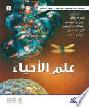
علم الأحياء
كتاب (علم الأحياء- بيتر هـ. ريفن وآخرون) : هو المرجع الأول لهذا الاختصاص باللغة العربية، الجدير بالذكر : إن هذا الكتاب يتميز بالشرح الوافي بالصور الواضحة ويصل عدد صفحاته إلى ما يزيد عن 1500 صفحه والتي تتحدث عن ثمانية أبواب : الأول عن الأساس الجزيئي للحياة والثاني علم حياة الخلية، بينما يفصل الباب الثالث الوراثة وعلم الحياة الجزيئي والجزء الرابع التطور ويأتي تنوع الحياة على الأرض في الباب الخامس، بينما ينفرد السادس بأشكال النباتات ووظائفها، أما الباب السابع فيتناول أشكال الحيوانات ووظائفها ويختتم الكتاب أبوابه مع علم البيئة والسلوك.
Book

Reduction in Malaria Incidence following Indoor Residual Spraying with Actellic 300 CS in a Setting with Pyrethroid Resistance: Mutasa District, Zimbabwe
More than half of malaria cases in Zimbabwe are concentrated in Manicaland Province, where seasonal malaria epidemics occur despite intensified control strategies. Recently, high levels of pyrethroid and carbamate resistance were detected in Anopheles funestus, the major malaria vector in eastern Zimbabwe. In response, a single round of indoor residual spraying (IRS) using pirimiphos-methyl (an organophosphate) was implemented in four high burden districts of Manicaland Province from November 1, 2014 to December 19, 2014. The objective of this study was to evaluate the effect of this programmatic switch in insecticides on malaria morbidity reported from health care facilities in Mutasa District, one of the worst affected districts in Manicaland Province.
The number of weekly malaria cases for each health facility 24 months prior to the 2014 IRS campaign and in the subsequent high transmission season were obtained from passive case surveillance. Environmental variables were extracted from remote-sensing data sources and linked to each health care facility. Negative binomial regression was used to model the weekly number of malaria cases, adjusted for seasonality and environmental variables.
From December 2012 to May 2015, 124,206 malaria cases were reported from 42 health care facilities in Mutasa District. Based on a higher burden of malaria, 20 out of 31 municipal wards were sprayed in the district. Overall, 87.3% of target structures were sprayed and 92.1% of the target population protected. During the 6 months after the 2014 IRS campaign, a period when transmission would have otherwise peaked, the incidence of malaria was 38% lower than the preceding 24 months at health facilities in the sprayed wards.
Pirimiphos-methyl had a measurable impact on malaria incidence and is an effective insecticide for the control of An. funestus in eastern Zimbabwe.
Journal Article
Increasing Adolescent HIV Prevalence in Eastern Zimbabwe – Evidence of Long-Term Survivors of Mother-to-Child Transmission?
Recent data from the Manicaland HIV/STD Prevention Project, a general-population open HIV cohort study, suggested that between 2004 and 2007 HIV prevalence amongst males aged 15-17 years in eastern Zimbabwe increased from 1.20% to 2.23%, and in females remained unchanged at 2.23% to 2.39%, while prevalence continued to decline in the rest of the adult population. We assess whether the more likely source of the increase in adolescent HIV prevalence is recent sexual HIV acquisition, or the aging of long-term survivors of perinatal HIV acquisition that occurred during the early growth of the epidemic. Using data collected between August 2006 and November 2008, we investigated associations between adolescent HIV and (1) maternal orphanhood and maternal HIV status, (2) reported sexual behaviour, and (3) reporting recurring sickness or chronic illness, suggesting infected adolescents might be in a late stage of HIV infection. HIV-infected adolescent males were more likely to be maternal orphans (RR = 2.97, p<0.001) and both HIV-infected adolescent males and females were more likely to be maternal orphans or have an HIV-infected mother (male RR = 1.83, p<0.001; female RR = 16.6, p<0.001). None of 22 HIV-infected adolescent males and only three of 23 HIV-infected females reported ever having had sex. HIV-infected adolescents were 60% more likely to report illness than HIV-infected young adults. Taken together, all three hypotheses suggest that recent increases in adolescent HIV prevalence in eastern Zimbabwe are more likely attributable to long-term survival of mother-to-child transmission rather than increases in risky sexual behaviour. HIV prevalence in adolescents and young adults cannot be used as a surrogate for recent HIV incidence, and health systems should prepare for increasing numbers of long-term infected adolescents.
Journal Article

Provider-initiated symptom screening for tuberculosis in Zimbabwe: diagnostic value and the effect of HIV status
To assess the diagnostic value of provider-initiated symptom screening for tuberculosis (TB) and how HIV status affects it.
We performed a secondary analysis of randomly selected participants in a community-based TB-HIV prevalence survey in Harare, Zimbabwe. All completed a five-symptom questionnaire and underwent sputum TB culture and HIV testing. We calculated the sensitivity, specificity, and positive and negative predictive values of various symptoms and used regression analysis to investigate the relationship between symptoms and TB disease.
We found one or more symptoms of TB in 21.2% of 1858 HIV-positive (HIV+) and 9.9% of 7121 HIV-negative (HIV-) participants (P < 0.001). TB was subsequently diagnosed in 48 HIV+ and 31 HIV- participants. TB was asymptomatic in 18 culture-positive individuals, 8 of whom (4 in each HIV status group) had positive sputum smears. Cough of any duration, weight loss and, for HIV+ participants only, drenching night sweats were independent predictors of TB. In HIV+ participants, cough of > or = 2 weeks' duration, any symptom and a positive sputum culture had sensitivities of 48%, 81% and 65%, respectively; in HIV- participants, the sensitivities were 45%, 71% and 74%, respectively. Symptoms had a similar sensitivity and specificity in HIV+ and HIV- participants, but in HIV+ participants they had a higher positive and a lower negative predictive value.
Even smear-positive TB may be missed by provider-initiated symptom screening, especially in HIV+ individuals. Symptom screening is useful for ruling out TB, but better TB diagnostics are urgently needed for resource-poor settings.
Journal Article

Elevation and cholera: an epidemiological spatial analysis of the cholera epidemic in Harare, Zimbabwe, 2008-2009
Background
In highly populated African urban areas where access to clean water is a challenge, water source contamination is one of the most cited risk factors in a cholera epidemic. During the rainy season, where there is either no sewage disposal or working sewer system, runoff of rains follows the slopes and gets into the lower parts of towns where shallow wells could easily become contaminated by excretes. In cholera endemic areas, spatial information about topographical elevation could help to guide preventive interventions. This study aims to analyze the association between topographic elevation and the distribution of cholera cases in Harare during the cholera epidemic in 2008 and 2009.
Methods
We developed an ecological study using secondary data. First, we described attack rates by suburb and then calculated rate ratios using whole Harare as reference. We illustrated the average elevation and cholera cases by suburbs using geographical information. Finally, we estimated a generalized linear mixed model (under the assumption of a Poisson distribution) with an Empirical Bayesian approach to model the relation between the risk of cholera and the elevation in meters in Harare. We used a random intercept to allow for spatial correlation of neighboring suburbs.
Results
This study identifies a spatial pattern of the distribution of cholera cases in the Harare epidemic, characterized by a lower cholera risk in the highest elevation suburbs of Harare. The generalized linear mixed model showed that for each 100 meters of increase in the topographical elevation, the cholera risk was 30% lower with a rate ratio of 0.70 (95% confidence interval=0.66-0.76). Sensitivity analysis confirmed the risk reduction with an overall estimate of the rate ratio between 20% and 40%.
Conclusion
This study highlights the importance of considering topographical elevation as a geographical and environmental risk factor in order to plan cholera preventive activities linked with water and sanitation in endemic areas. Furthermore, elevation information, among other risk factors, could help to spatially orientate cholera control interventions during an epidemic.
Journal Article

Impact and Process Evaluation of Integrated Community and Clinic-Based HIV-1 Control: A Cluster-Randomised Trial in Eastern Zimbabwe
HIV-1 control in sub-Saharan Africa requires cost-effective and sustainable programmes that promote behaviour change and reduce cofactor sexually transmitted infections (STIs) at the population and individual levels.
We measured the feasibility of community-based peer education, free condom distribution, income-generating projects, and clinic-based STI treatment and counselling services and evaluated their impact on the incidence of HIV-1 measured over a 3-y period in a cluster-randomised controlled trial in eastern Zimbabwe. Analysis of primary outcomes was on an intention-to-treat basis. The income-generating projects proved impossible to implement in the prevailing economic climate. Despite greater programme activity and knowledge in the intervention communities, the incidence rate ratio of HIV-1 was 1.27 (95% confidence interval [CI] 0.92-1.75) compared to the control communities. No evidence was found for reduced incidence of self-reported STI symptoms or high-risk sexual behaviour in the intervention communities. Males who attended programme meetings had lower HIV-1 incidence (incidence rate ratio 0.48, 95% CI 0.24-0.98), and fewer men who attended programme meetings reported unprotected sex with casual partners (odds ratio 0.45, 95% CI 0.28-0.75). More male STI patients in the intervention communities reported cessation of symptoms (odds ratio 2.49, 95% CI 1.21-5.12).
Integrated peer education, condom distribution, and syndromic STI management did not reduce population-level HIV-1 incidence in a declining epidemic, despite reducing HIV-1 incidence in the immediate male target group. Our results highlight the need to assess the community-level impact of interventions that are effective amongst targeted population sub-groups.
Journal Article