Catalogue Search | MBRL


Are you sure you want to remove the book from the shelf?

{{itemTitle}}
96
result(s) for
"Mattelart, Armand"
Sort by:


How to read Donald Duck : imperialist ideology in the Disney comic
First published in 1971, How to Read Donald Duck shocked readers by revealing how capitalist ideology operates in our most beloved cartoons. Having survived bonfires, impounding and being dumped into the ocean by the Chilean army, this controversial book is once again back on our shelves.Written and published during the blossoming of Salvador Allende's revolutionary socialism, the book examines how Disney comics not only reflect capitalist ideology, but are active agents working in this ideology's favour. Focusing on the hapless mice and ducks of Disney, curiously parentless, marginalised and always short of cash, Ariel Dorfman and Armand Mattelart expose how these characters established hegemonic ideas about capital, race, gender and the relationship between developed countries and the Third World.A devastating indictment of a media giant, a document of twentieth-century political upheaval, and a reminder of the dark undercurrent of pop culture, How to Read Donald Duck is once again available, together with a new introduction by Ariel Dorfman.
eBook
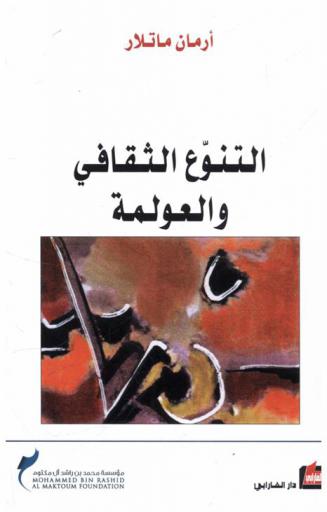
التنوع الثقافي والعولمة
يقدم الكتاب بطرح إشكالي يشد انتباه القارئ إلى موضوع الثقافة والثقافات والمواضيع المتصلة بها من خلال حضورها المكثف والذي أضحى يتقدم بكيفيات مضطربة تشكو فلتانا مفهوميا وانزلاقات في المعاني، وإفقارا يزداد مع سعة الحضور الكلي لمصطلح التعدد الثقافي على عتبة الألفية الثالثة وما ينطوي عليه من وقائع ومواقف متناقضة، جعل مسألة ما هو ثقافي وما يتصل به من تنوّع عرضة لتدافع مصالح متباينة، وتنافسية بين دول عديدة، تعكس مخاوف جماعية حول تنميط أشكال الحياة والتفكير.
BOOK

La industria sésamo
El taller de televisión infantil, cuya mención aparece cada tarde en la pantalla chica al fin de la proyección de “Plaza Sésamo” , es una non-profit corporation, una institución “sin fines de lucro y legalmente independiente”. Aunque funcionando de hecho desde el año de 1968, su existencia oficial remonta al mes de mayo de 1970, fecha en que fueron aprobados sus estatutos y objetivos:. “Buscar las mejores vías de utilizar los medios electrónicos, básicamente la televisión, como vehículos de instrucción para los niños”.
Journal Article

نظريات الاتصال
يقدم هذا الكتاب مقدمة موجزة لتطور نظرية الاتصال للطلاب المبتدئين. مكتوبا بأسلوب جذاب ودود، يقدم سردا تاريخيا لتطور جميع المناهج النظرية الرئيسية. تلخص نظريات الاتصال بشكل واضح ومنهجي مجموعة النظريات الموجودة وتشرح كيف ولماذا ظهرت تيارات ومدارس فكرية متنوعة. تكمن قوة هذا الكتاب في تعدد النظريات المقدمة، بما في ذلك التيارات شديدة الاختلاف مثل الدعاة الأوائل ل \"أبحاث الاتصال الجماهيري\"، ومدرسة شيكاغو، ومدرسة بالو ألتو، والبنيوية، والنماذج اللاحقة للبناء والمنهجية العرقية. ويغطي كذلك المناهج اللغوية، ونظريات الاستقبال الجديدة، والاقتصاد السياسي للعولمة الثقافية.
Book

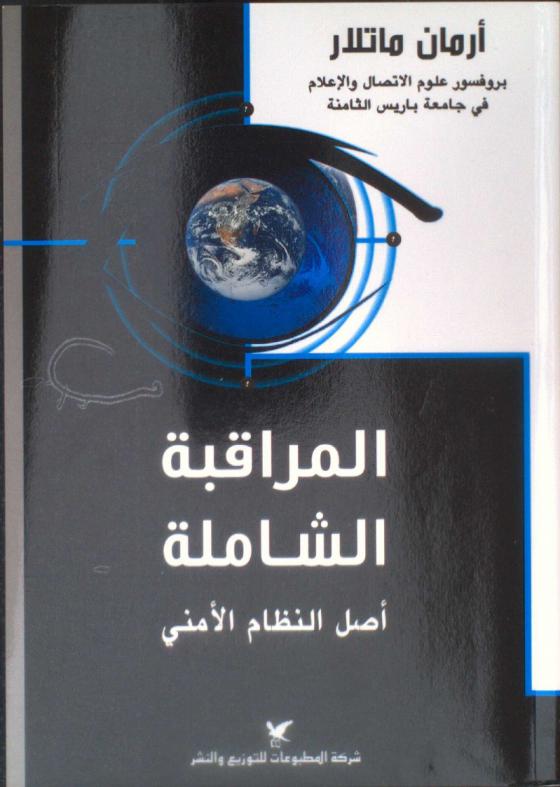
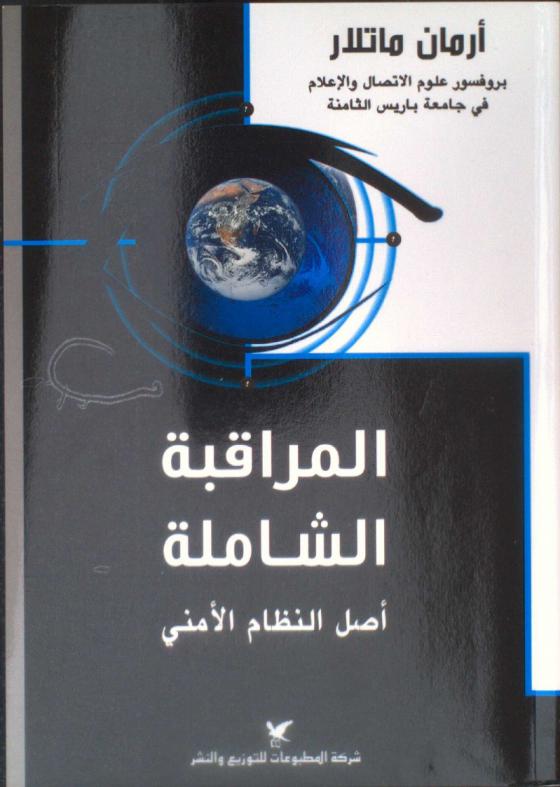
المراقبة الشاملة أساس النظام الأمني
هذا الكتاب يرصد النظريات الأمنية بدءا بالأنثروبومترية في القرن التاسع عشر مرورا بمشروع إليكون العالمي للتجسس وصولا إلى قانون باتريوت في الولايات المتحدة. ويتوقف عند أعمال فلاسفة كبار من مثل ميشيل فوكو، وجيل دولوز، وغيرهما. يصور تنامي الأمن وأجهزته وأنماط رجالته وأساليبهم في المراقبة والملاحقة والاعتقال والتعذيب بمواكبة أحدث نظريات علم الجريمة. ويتابع كيف يفضي تطور المجرم وتطويره لأساليب الإجرام إلى تطوير وسائل المكافحة في المحاصرة والمداهمة. ويغطي ميادين الأمن كافة من أمن غذائي وأمن اقتصادي وأمن سياسي وأمن ذاتي وأمن قومي.
BOOK