
Catalogue Search | MBRL


Are you sure you want to remove the book from the shelf?

{{itemTitle}}
259
result(s) for
"McGinty, Brian"
Sort by:

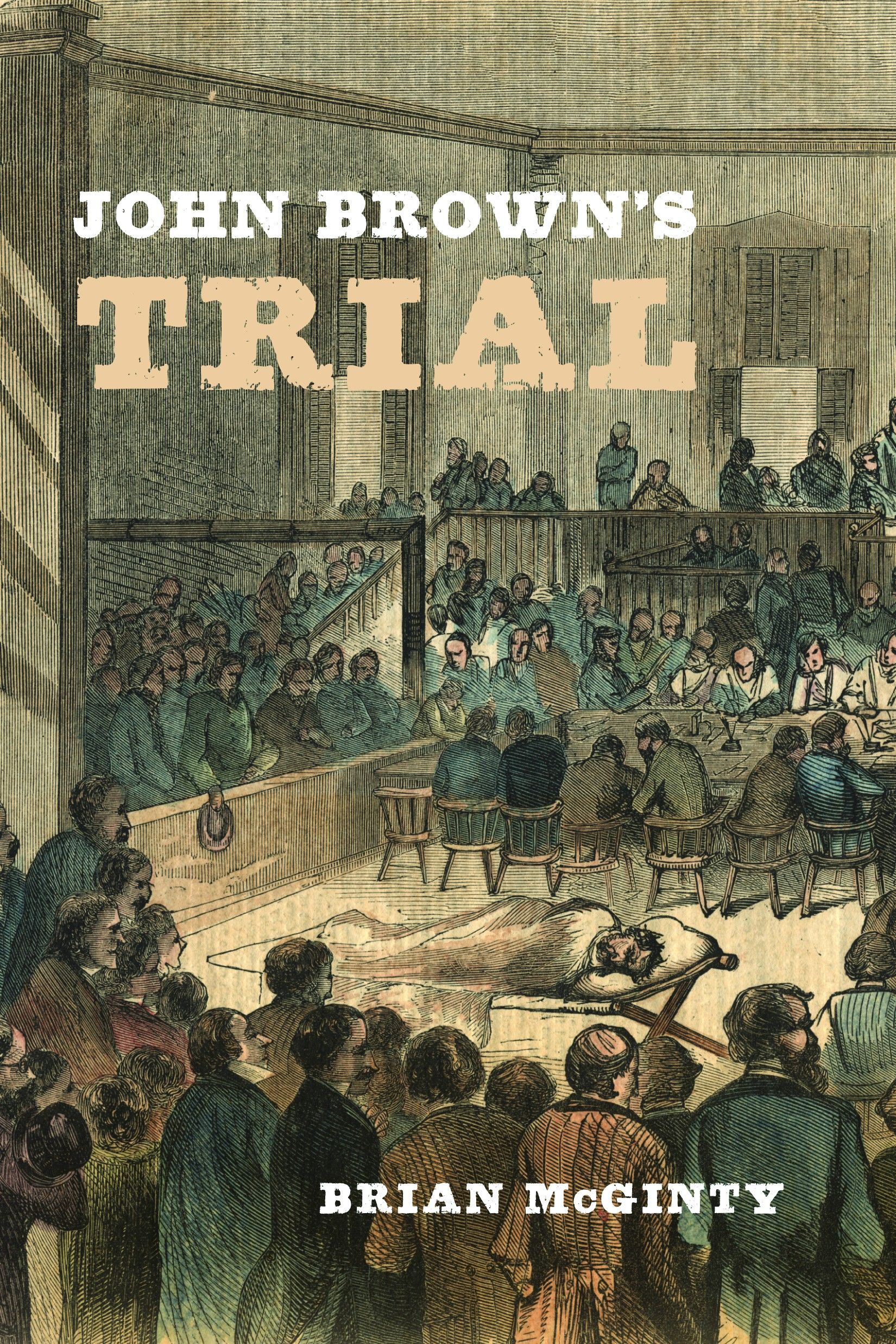
JOHN BROWN'S TRIAL
Mixing idealism with violence, abolitionist John Brown cut a wide swath across the United States before winding up in Virginia, where he led an attack on the U.S. armory and arsenal at Harpers Ferry. Supported by a \"provisional army\" of 21 men, Brown hoped to rouse the slaves in Virginia to rebellion. But he was quickly captured and, after a short but stormy trial, hanged on December 2, 1859. Brian McGinty provides the first comprehensive account of the trial, which raised important questions about jurisdiction, judicial fairness, and the nature of treason under the American constitutional system.
eBook

Lincoln's greatest case : the river, the bridge, and the making of America
Examines the case of the steamboat Effie Afton, which barreled into a pillar of the Rock Island Bridge in May of 1856, and the role of trial lawyer Abraham Lincoln.
Book

The body of John Merryman : Abraham Lincoln and the suspension of habeas corpus
In April 1861, President Abraham Lincoln suspended the writ of habeas corpus along the military line between Washington, D.C., and Philadelphia. This allowed army officers to arrest and indefinitely detain persons who were interfering with military operations in the area. When John Merryman, a wealthy Marylander suspected of burning bridges to prevent the passage of U.S. troops to Washington, was detained in Fort McHenry, the chief justice of the Supreme Court, Roger Taney, declared the suspension of habeas corpus unconstitutional and demanded Merryman's immediate release. Lincoln defied Taney's order, offering his own forceful counter-argument for the constitutionality of his actions. Thus the stage was set for one of the most dramatic personal and legal confrontations the country has ever witnessed.
The Body of John Merryman is the first book-length examination of this much-misunderstood chapter in American history. Brian McGinty captures the tension and uncertainty that surrounded the early months of the Civil War, explaining how Lincoln's suspension of habeas corpus was first and foremost a military action that only subsequently became a crucial constitutional battle. McGinty's narrative brings to life the personalities that drove this uneasy standoff and expands our understanding of the war as a legal—and not just a military, political, and social—conflict. The Body of John Merryman is an extraordinarily readable book that illuminates the contours of one of the most significant cases in American legal history—a case that continues to resonate in our own time.
eBook

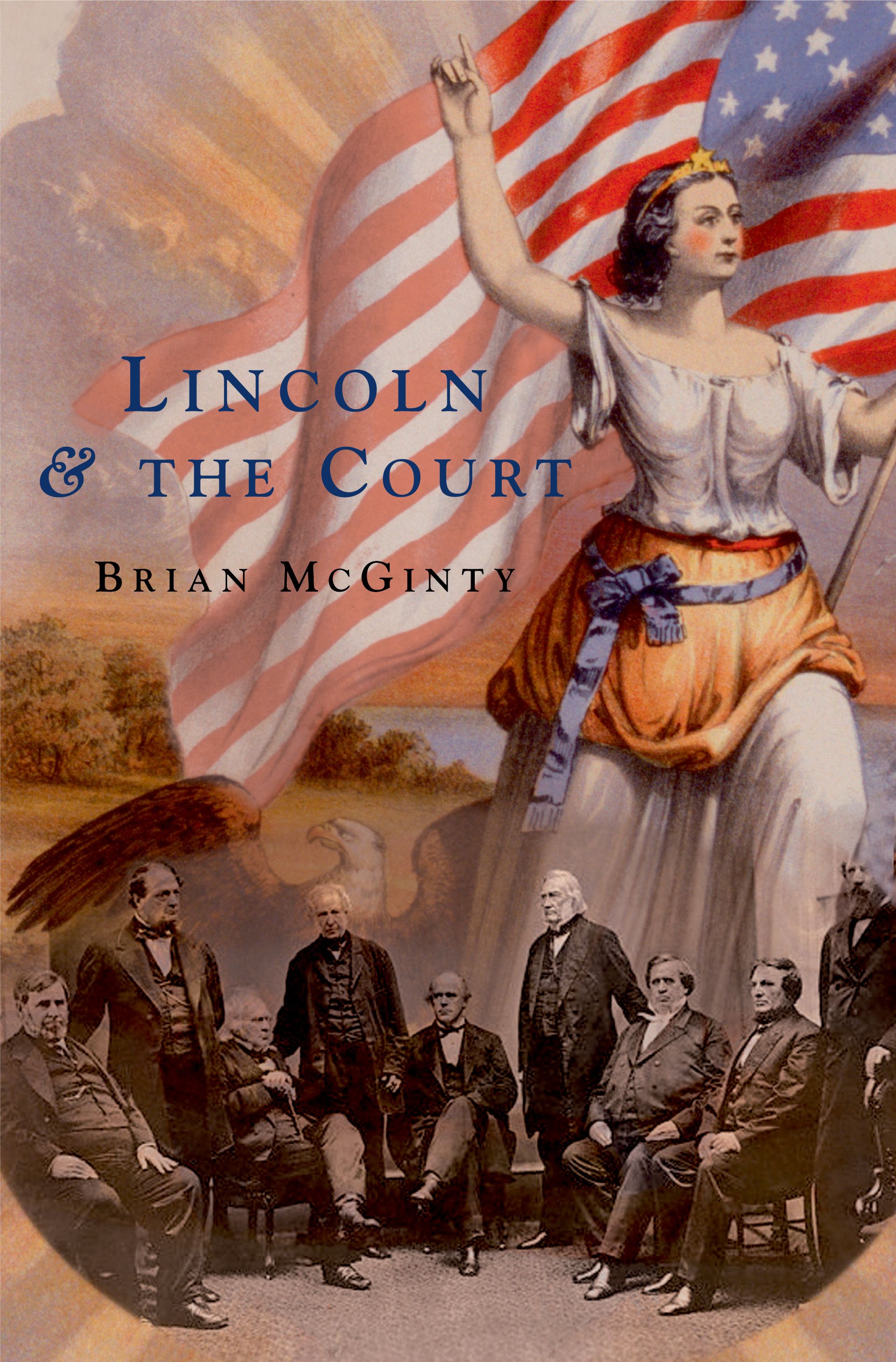
Lincoln and the Court
In a meticulously researched and engagingly written narrative, McGinty rescues the story of Abraham Lincoln and the Supreme Court from long and undeserved neglect, recounting the compelling history of the Civil War president's relations with the nation's highest tribunal and the role it played in resolving the agonizing issues raised by the conflict.
eBook

Gauging the value of education for disenfranchised youth : flexible learning options
\"Disengagement of youth from schooling is an issue of significant national and international concern, and is a key driver of educational policy and reform that look to maximise school retention for the benefit of both students and the wider community. In Australia, Flexible Learning Options (FLOs) have arisen as a response to the premature disengagement from schooling of a sizeable number of Australian youth. FLOs attend to the educational, social and well-being needs of young people experiencing complex life circumstances, yet empirical evidence of their value to date has been largely anecdotal. The significance of this book lies in its innovative approach to gauging the value of FLOs--to young people themselves, as well as the wider Australian community. Drawing on past research and new findings from a national investigation, the authors provide novel insight into the pressures pushing young people out of schools and the mechanisms at work in FLOs to re-engage them in education. The varied contributions of this book elucidate many of the measurable impacts of FLOs on the life trajectories of disenfranchised youth, including improved economic integration, mental and emotional wellbeing, and myriad other outcomes. The significance of this project lies in its exploration of how young people and staff understand the transformative nature of the FLO experience, with an analysis that brings to light the wider value of this type of educational intervention in terms of long term community benefit\"-- Provided by publisher.
Book

The Body of John Merryman
When Chief Justice Taney declared Lincoln’s suspension of habeas corpus unconstitutional and demanded the release of John Merryman, Lincoln defied the order, offering a forceful counter-argument for the constitutionality of his actions. The result was one of the most significant cases in American legal history—a case that resonates in our own time.
eBook
ALL THE LAWS BUT ONE
The clerk of the circuit court in Baltimore delivered the papers inEx parte Merrymanto the White House, apparently by mail.¹ TheNew York Heraldreported that the president then wrote a personal letter to Taney, but the letter was not made public and no copy of it has survived.² In their multivolume history of Lincoln published more than thirty years later, the president’s personal secretaries, John Nicolay and John Hay, claimed that “no attention was of course paid to the transmitted papers.”³ If this was the case, however, it must have been due to the press of other
Book Chapter
THE WRIT AND THE SUSPENSION
Within a few hours after Merryman was brought to Fort McHenry, the doors of the fort were opened and three men who had urgent business with the prisoner were admitted. One was later identified in court papers as Merryman’s brother-in-law, though his name was not noted (Maryland’s wealthy old families were typically large and there were many brothers-and sisters-in-law).¹ The two others were lawyers with connections to Baltimore’s power establishment. George M. Gill was fifty-eight years old and noted as one of Baltimore’s most prominent courtroom advocates when he answered the call to Fort McHenry. Born in the city in
Book Chapter