
Catalogue Search | MBRL


Are you sure you want to remove the book from the shelf?

{{itemTitle}}
7,736
result(s) for
"McLaughlin, Tom"
Sort by:

Up, up and away
What does it take to build your very own planet? Orson is about to find out. He takes: A cup full of rocks. A dash of water. A sprinkling of metal. A lot of nothingness. A big bang. And before long, boom! He has it a tiny planet with rings around it, right there in his bedroom! But it seems that building a planet is the easy bit; taking care of it is a different thing altogether. Over time, Orson realises that his planet needs to be free and that sometimes you have to let go of the things that you love the most.
Book

Physical Characteristics Explain Ball-Carrying Capability in Sub-Elite Rugby Union Players
Purpose
The aims of the present study were two-fold: (i) to investigate the relationship between physical characteristics and the game statistics associated with ball-carrying capability amongst sub-elite rugby union players, and (ii) to predict the level of change in these physical characteristics required to improve the associated game statistic via regression analysis.
Methods
Thirty-eight senior professional players (forwards,
n
= 22; backs,
n
= 16) were assessed for body mass (BM), back squat (BS) single-repetition maximum (1RM) normalised to BM (1RM/BM), 10 m sprint velocity (S10), 10 m sprint momentum (SM10), and the game statistics from 22 games within the 2019/20 RFU Championship season. The relationship between these measures and the predicted level of change in a physical measure required to improve the total number of the associated game statistic by one were assessed by Pearson’s correlation coefficient and simple regression analyses.
Results
In forwards, an ~ 11.5% reduction in BM, an ~ 11.8% improvement in BS 1RM/BM, or an ~ 11.5% increase in S10 was required to improve the game statistics associated with ball-carrying capability. In backs, a ~ 19.3% increase in BM or a ~ 15.6% improvement in SM10 was required.
Conclusions
These findings demonstrate that improvements in lower-body relative strength, acceleration performance, and position-specific alterations in body mass are required to maximise the ball-carrying capability and therefore match outcome of sub-elite rugby union players.
Journal Article
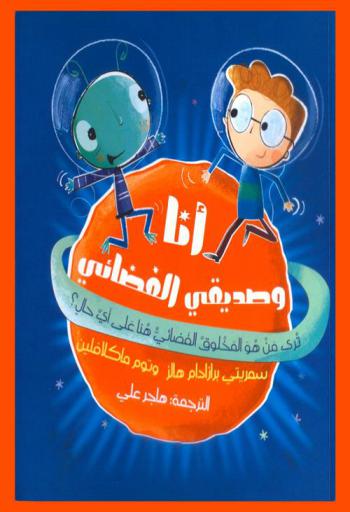
أنا وصديقي الفضائي
يعد هذا الكتاب أنا وصديقي الفضائي وهي قصة مخصصة للأطفال تستهدف الطفولة المبكرة وتعمل على استثمار الطفل في بناء المهارات المختلفة المرتبطة بالخيال والابتكار وقوة الشخصية والبحث عن حلول إبداعية ويستمد الطفل من خلالها الكثير من العلم والمعرفة والمعلومات ويعد من المنهج السلوكي التربوي رائع يعلم الطفل كيف يستخلص من مشكلاته.
BOOK

37 Improving Bronchiolitis Management at B.C. Children’s Hospital: Standardizing Care Through a Pre-printed Order
Introduction/Background Bronchiolitis is the most common cause of hospital admissions during the first year of life. There is significant variation in the management of this disease. Despite supportive care being the hallmark of treatment, investigations and other treatments are commonly prescribed. Standardizing care for bronchiolitis leads to decreased resource utilization and improved patient outcomes. Pre-printed orders can standardize care and improve compliance with evidence-based medicine. Objectives To determine whether a pre-printed order (PPO) would influence length of stay and specific medication use (corticosteroids, antibiotics, bronchodilators) for patients admitted to B.C. Children’s Hospital (BCCH) with a diagnosis of bronchiolitis. Design/Methods We implemented a pre-printed order (PPO) for inpatient management of bronchiolitis at B.C. Children’s Hospital (BCCH), then conducted a retrospective chart review of children admitted to BCCH with a discharge diagnosis of bronchiolitis. We compared primary and secondary outcomes between the pre-PPO (November 24, 2017 to December 31, 2019) and post-PPO (September 22, 2021 to April 12, 2022) periods. The primary outcome was length of stay (LOS) in days, and secondary outcomes included the prescription of specific medications. Results A total of 584 patients were included in the retrospective chart review: 436 patients were from the pre-PPO period and 148 patients were from the post-PPO period. There was no difference in the LOS between the pre-PPO and post-PPO periods: median LOS was 3.00 days (2.00 to 5.00 days) and 3.00 days (2.00 to 5.00 days) in the pre- and post-PPO periods, respectively (p = 0.88). There was a decrease in prescribed antibiotics, from 36.7% to 24.7% (OR = 0.56, 95% CI = 0.37 to 0.86, p = 0.01). Additionally, there was a decrease in prescribed salbutamol, from 41.5% to 29.3% (OR = 0.58, 95% CI = 0.39 to 0.87, p = 0.01). There was no significant difference in rates of PICU admission between the pre- and post-PPO periods (23.6% vs. 26.4%, OR = 1.16, 95% CI = 0.75 to 1.76, p = 0.5). Conclusion The implementation of a PPO for inpatient management of bronchiolitis did not affect length of stay or PICU admissions. However, there was significant reduction in prescribed antibiotics and salbutamol (both reduced in the post-PPO period). Our results suggest that a pre-printed order can improve antimicrobial stewardship and reduce unnecessary medication use, when managing a common paediatric disease. Graph Example for antibiotic/salbutamol and PICU
Journal Article

The rate of sexually transmitted infections in ED patients with vaginal bleeding
Early diagnosis of sexually transmitted infections (STI) such as
Chlamydia trachomatis (CT) and
Neisseria gonorrhoea (NG) is crucial in reducing complications. Vaginal bleeding (VB) has been suggested as a possible presentation of STI.
To identify the rate of STI in sexually active women presenting to the emergency department (ED) with VB.
Prospective observational study of females 18-55 years-old presenting to two affiliated urban EDs with VB (convenience sample). Patients with recent STI or antibiotic use (< 3 months) were excluded. To estimate the background rate of STI, we enrolled women with no genitourinary complaints as controls. Specimens for CT and NG were obtained during speculum exam from cases and by self administered vaginal swab in controls. All specimens were analyzed by polymerase chain reaction. Continuous data was presented as mean ± standard deviation and categorical data as percentages with 95% confidence intervals CI). Fisher's exact test was used to compare the rate of STI between the groups.
From 09.06 to 08.07 a total 273 subjects were enrolled (174 VB and 99 controls, mean age: 33 ± 10). Groups were similar with regards to baseline characteristics. The majority of STI cases were due to CT: 5.8% in VB group (95% CI, 3.2%-10.4%) vs. 7.1% in controls (95% CI, 3.5%-14.0%). The STI rate was 6.3% (95% CI, 3.5%-11.1%) in VB patients and 8% (95% CI, 3.9%-15.3%) in controls.
Our ED patients with and without vaginal bleeding had comparable rate of STI.
Journal Article

Re-Animating Post-Digital Cinema: Animated Fluidity and Hybrid Aesthetics in Tomm Moore’s Celtic Trilogy
Tomm Moore’s Celtic Trilogy, consisting of The Secret of Kells (2009), Song of the Sea (2014), and WolfWalkers (2020), displays an inter-medial hybridity and synergy of commercial and experimental elements that encourage a redefinition of animation with a focus on the innate qualities of fluidity in animated aesthetics. This fluidity in visual aesthetics and narratology honors the legacy of studio animation over the past century, while reintroducing technological and creative experimentation. This freedom further allows for authentic cultural (self-)representation of Celtic traditions in film.Paralleling a history of cinematic theories by Arnheim, Cholodenko and Manovich projects a shared space for (live action) cinema and the animated film, which even predates the digital era. This discussion is complicated by the total conflation of live action and animated elements with the advent of digital cinema technology. This thesis introduces photo-realistic and iconic animation as new terminology to discuss animation with an emphasis on the visual qualities driving the medium as cinematic art form.A thorough analysis of Moore’s Celtic Trilogy reveals an evolution of animated aesthetics throughout the films, which includes the use of Art as tool and meta-language capable of reshaping the reality of the films, and a focus on fluidity in character and world design. The digital processing space is presented as hybrid medium between physical and digital reality by reintroducing simulated physical stimuli and textures.The culmination of the Celtic Trilogy presents animation as existential toolset to link the physical and metaphysical layers of the cinematic experience and projects the creative possibilities for animated texts of the future in a post-digital world that unites both analogue and digital art forms in a fluid interplay.
Dissertation

Patient, Caregiver, and Clinician Participation in Prioritization of Research Questions in Pediatric Hospital Medicine
The research agenda in pediatric hospital medicine has seldom considered the perspectives of young people, parents and caregivers, and health care professionals. Their perspectives may be useful in identifying questions on topics for research.
To prioritize unanswered research questions in pediatric hospital medicine from the perspectives of young people, parents/caregivers, and health care professionals.
Between August 4, 2020, and August 19, 2021, two online surveys and a virtual workshop were conducted, using modified Delphi technique and nominal group technique. Young people, parents/caregivers, and health care professionals with experiences in pediatric hospital medicine in Canada were included.
The established James Lind Alliance Priority Setting Partnership method was used. In phase 1, a survey collected unanswered questions regarding pediatric hospital medicine via 3 open-ended questions. Survey responses were used to develop summary questions that went through an evidence-checking process. Unanswered questions were brought to a phase 2 interim prioritization survey. The top 10 unanswered research questions in pediatric hospital medicine were established at the final priority setting workshop.
Survey responses, top 10 research questions.
The phase 1 survey was completed by 188 participants (148 of 167 [89%] females; 17 of 167 [10%] males; mean [SD] age, 39.5 [12.4] years) and generated 495 unanswered research questions and comments, of which 58 were deemed out of scope. The remaining 437 responses were grouped into themes (eg, communication, shared decision-making, health service delivery, and health service management) and then refined to 75 unanswered research questions. Of these 75, only 4 questions had sufficient evidence. To make the number of questions in phase 2 manageable, 21 questions submitted by only 1 respondent were eliminated. Fifty unanswered research questions were included in the phase 2 survey, which was completed by 201 participants (165 of 186 [89%] females; 19 of 186 [10%] males; mean [SD] age, 40.0 [11.0] years). A short list of 16 questions-the top 10 questions from patient partners (youths, parents/caregivers) and clinicians-was presented at the final priority setting workshop and the top 10 questions were prioritized. The top 10 questions focused on the care of special inpatient populations (eg, children with medical complexity), communication, shared decision-making, support strategies in the hospital, mental health supports, shortening length of stay, and supporting Indigenous patients, parents/caregivers, and families.
This patient-oriented pediatric hospital medicine priority setting partnership identified the most important unanswered research questions focused on the care of children in the hospital. These questions provide a possible roadmap for research on areas deemed important to young people, parents/caregivers, and clinicians.
Journal Article
Pharmacare in Canada: The paediatric perspective
Abstract
Canada’s drug insurance system is one of the most expensive in the world, yet millions of Canadians still struggle to access necessary medications. As a result, provincial, territorial, and federal governments are considering public pharmacare policy proposals to ensure that all Canadians can access the medications they need. Pharmacare policies offer an opportunity to prioritize children and youth, whose unique drug needs have long been neglected. Prescription drug use is common in this population, with approximately half of Canadian children and youth requiring at least one prescription in any given year. Drug use remains concentrated, however, among those with complex, chronic, and serious diseases. Children and youth rely heavily on compounded and off-label prescription drugs, which impacts safety, efficacy, palatability, and cost. Reimbursement decision-making bodies do not appropriately value the unique benefits of paediatric drugs, including child-friendly formulations, improved quality of life for children and families, and cost-savings outside the healthcare system. Regardless of the pharmacare model ultimately implemented, ensuring universal, comprehensive, and portable prescription drug coverage for all children and youth is essential. To accomplish this, paediatric drug experts should develop a national, evidence-informed formulary of paediatric drugs. Health Canada should also improve processes to make commercial paediatric drugs and child-friendly formulations more available and accessible. The federal government must also support paediatric drug research and development to this end.
Journal Article

Enhancing respiratory virus surveillance among hospitalised children: a machine learning-based predictive model
BackgroundViral respiratory tract infections (vRTIs) are a leading cause of paediatric hospitalisation and healthcare utilisation. Existing syndromic surveillance tools, including the WHO Severe Acute Respiratory Infection definition, demonstrate limited diagnostic accuracy in children whose symptom profiles vary widely. This study aimed to develop a machine learning (ML) model to predict microbiologically confirmed vRTIs in hospitalised children and to evaluate performance across age groups and viral pathogens.MethodsWe conducted a retrospective cross-sectional study of 2050 paediatric patients (<18 years) admitted with acute respiratory infections to two tertiary paediatric hospitals in Canada. Predictors included age, sex, hospital transfer status, chronic comorbidity status and 22 presenting symptoms. The primary outcome was microbiologically confirmed vRTI, determined by multiplex PCR or rapid antigen testing. Six ML algorithms were trained and the best-performing model, identified by area under the receiver operating characteristic curve (auROC), was tested on age subgroups, viral pathogens and sites.ResultsAmong 2050 patients (median (IQR) age 2.4 (0.8–5.2) years), 1831 (89.3%) tested positive, most commonly for respiratory syncytial virus (RSV) (38.7%) and enterovirus/rhinovirus (32.8%). Logistic regression with L2 regularisation demonstrated the best performance (auROC, 0.754; 95% CI 0.697 to 0.808; sensitivity, 69.2%; specificity, 69.9%), with greatest performance among children <1 year (auROC, 0.763) and RSV cases (auROC, 0.727).ConclusionsAn ML-based logistic regression model using admission data accurately predicted paediatric vRTIs, outperforming traditional syndromic surveillance definitions, especially among infants <1 year. By integrating ML models into hospital electronic medical records, healthcare systems can achieve enhanced respiratory virus surveillance, faster outbreak detection, greater diagnostic efficiency and improved pandemic preparedness.
Journal Article