
Catalogue Search | MBRL


Are you sure you want to remove the book from the shelf?

{{itemTitle}}
3
result(s) for
"McNeely, Ian F., 1971-"
Sort by:


The emancipation of writing
The Emancipation of Writing is the first study of writing in its connection to bureaucracy, citizenship, and the state in Germany. Stitching together micro- and macro-level analysis, it reconstructs the vibrant, textually saturated civic culture of the German southwest in the aftermath of the French Revolution and Napoleon's invasions. Ian F. McNeely reveals that Germany's notoriously oppressive bureaucracy, when viewed through the writing practices that were its lifeblood, could also function as a site of citizenship. Citizens, acting under the mediation of powerful local scribes, practiced their freedoms in written engagements with the state. Their communications laid the basis for civil society, showing how social networks commonly associated with the free market, the free press, and the voluntary association could also take root in powerful state institutions.
eBook
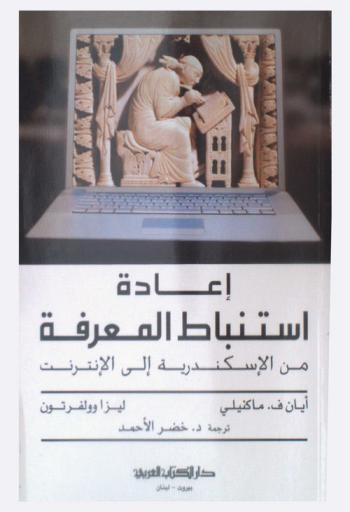
إعادة استنباط المعرفة من الإسكندرية إلى الإنترنت
يسرد الكتاب تاريخ مؤسسات المعرفة. إنه يصنف بتسلسل زمني المؤسسات الست التي هيمنت على الحياة الفكرية الغربية منذ الأزمنة القديمة، وهي: المكتبة، الدير، الجامعة، دولة الآداب، فروع المعرفة، والمختبر. هذا كتاب فكري إستثنائي يخرج عن المألوف في بنيته وأسلوبه، وهو مقدمة رائعة للمؤسسات الرئيسية التي صاغت المعرفة في الغرب، ينقلنا عرضه المحكم، الذي يتسم بالأناقة والظرف، عبر نقاط مفصلية للتغير المؤسساتي والتحول الثقافي، من الحقبة الكلاسيكية إلى عصرنا الراهن، فنتوصل إلى فهم كامل للتغيرات الواسعة التي انتهت إلى عالم المعرفة الحالي. يبدأ المؤلفان كتابهما بأخذنا إلى ساحات أثينا الديمقراطية، حيث اتخذت المعرفة الصيغة الشفهية، لأن الكتابة كانت تعد وسيلة من مرتبة أدنى للوصول إلى الحقيقة؛ وقد حدث تحول المعرفة إلى الأسلوب الكتابي في عهد أرسطوطاليس وتلميذه الإسكندر، وصار هذا الأسلوب يمثل المركز الكبير للعلم الهيليني في الإسكندرية، وكان لمكتبة الإسكندرية أثر فعال في حفظ نسخ موثوقة لملاحم هوميروس، وفي الترجمة اليونانية للعهد القديم الذي كان مكتوبا بالعبرية، وبعد أن أصبحت المعرفة اليونانية قابلة للنقل، حملتها إمبراطورية الإسكندر إلى العالم غير اليوناني. بعد إنهيار الإمبراطورية الرومانية، برز الدير بصفته المؤسسة الرئيسية للمعرفة، وإستطاع صون الثقافة المكتوبة، وإيجاد أطر عمل لفهم الوقت وترتيبه، وقد أفرز إنبعاث المدن والتجارة في أواخر العصور الوسطى مؤسسات من الطلبة والمدرسين، سميت جامعات، كانت هذه المؤسسات العلمية قلاعا للمعرفة المكتوبة تولي في توسيع الكلمة المحكية ومناقشة النصوص إهتماما خاصا. وقد أسهمت المراسلات الكثيفة التي كانت تجري في دولة الأدب.
Book