
Catalogue Search | MBRL


Are you sure you want to remove the book from the shelf?

{{itemTitle}}
411
result(s) for
"Michael Dodds"
Sort by:


The effect of gum chewing on xerostomia and salivary flow rate in elderly and medically compromised subjects: a systematic review and meta-analysis
Background
Xerostomia negatively affects quality of life. Symptoms include oral dryness; thirst; difficulty speaking, chewing, and swallowing food; oral discomfort; mouth soft tissue soreness and infections; and rampant tooth decay. The objective of this systematic review and meta-analysis was to investigate if gum chewing is an intervention that results in objective improvements in salivary flow rates and subjective relief from xerostomia.
Method
We searched electronic databases including Medline, Scopus, Web of Science, Embase, Cochrane Library (CDSR and Central), Google Scholar and the citations of review papers (last searched 31/03/23). The study populations included: 1) elderly people with xerostomia (> 60 years old, any gender, and severity of xerostomia), and 2) medically compromised people with xerostomia. The intervention of interest was gum chewing. Comparisons included gum chewing vs. no gum chewing. The outcomes included salivary flow rate, self-reported xerostomia, and thirst. All settings and study designs were included. We conducted a meta-analysis on studies where measurements of unstimulated whole salivary flow rate for both a gum chewing, and no gum chewing intervention (daily chewing of gum for two weeks or longer) were reported. We assessed risk of bias using Cochrane’s RoB 2 and ROBINS-I tools.
Results
Nine thousand six hundred and two studies were screened and 0.26% (
n
= 25) met the inclusion criteria for the systematic review. Two of the 25 papers had a high overall risk of bias. Of the 25 papers selected for the systematic review, six met the criteria to be included in the meta-analysis which confirmed a significant overall effect of gum on saliva flow outcomes compared to control (SMD = 0.44, 95% CI: 0.22—0.66;
p
= 0.00008; I
2
= 46.53%).
Conclusions
Chewing gum can increase unstimulated salivary flow rate in elderly and medically compromised people with xerostomia. Increasing the number of days over which gum is chewed increases the improvement in the rate of salivation. Gum chewing is linked with improvements in self-reported levels of xerostomia (although it is noted that no significant effects were detected in five of the studies reviewed). Future studies should eliminate sources of bias, standardise methods to measure salivary flow rate, and use a common instrument to measure subjective relief from xerostomia.
Study registration
PROSPERO CRD42021254485.
Journal Article

Unmodified rabies mRNA vaccine elicits high cross-neutralizing antibody titers and diverse B cell memory responses
Licensed rabies virus vaccines based on whole inactivated virus are effective in humans. However, there is a lack of detailed investigations of the elicited immune response, and whether responses can be improved using novel vaccine platforms. Here we show that two doses of a lipid nanoparticle-formulated unmodified mRNA vaccine encoding the rabies virus glycoprotein (RABV-G) induces higher levels of RABV-G specific plasmablasts and T cells in blood, and plasma cells in the bone marrow compared to two doses of Rabipur in non-human primates. The mRNA vaccine also generates higher RABV-G binding and neutralizing antibody titers than Rabipur, while the degree of somatic hypermutation and clonal diversity of the response are similar for the two vaccines. The higher overall antibody titers induced by the mRNA vaccine translates into improved cross-neutralization of related lyssavirus strains, suggesting that this platform has potential for the development of a broadly protective vaccine against these viruses.
Here the authors show that in non-human primates two doses of an mRNA-based rabies vaccine induce higher levels of vaccine-specific B cells and cross-neutralizing antibodies compared to two doses of a licensed whole inactivated virus vaccine.
Journal Article
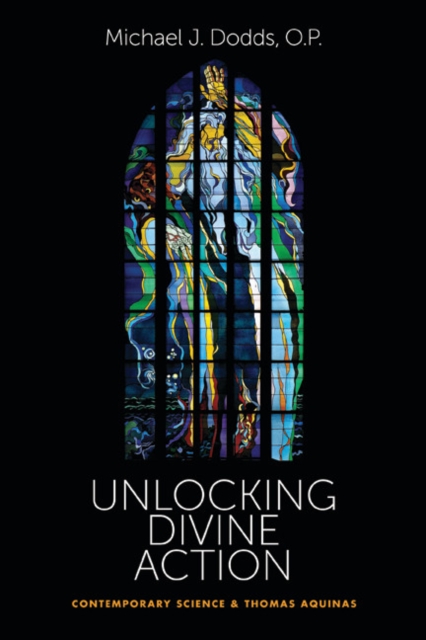
Unlocking divine action : contemporary science & Thomas Aquinas
Provides a sustained account of how the thought of Aquinas may be used in conjunction with contemporary science to deepen our understanding of divine action and address such issues as creation, providence, prayer, and miracles.
eBook

Factors That Influence the Extensional Rheological Property of Saliva
The spinnbarkeit of saliva reflects the ability of saliva to adhere to surfaces within the mouth, thereby serving as a protective role and aiding in lubrication. Therefore, alterations in the extensional rheology of saliva may result in the loss in adhesiveness or the ability to bind onto surfaces. Mucin glycoproteins and their structures are known to be important factors for the extensional rheological properties of saliva. The conformation of mucin depends on factors such as pH and ionic strength. Chewing is one of the main stimuli for salivary secretion but creates significant sheer stress on the salivary film which could influence mouthfeel perceptions. The current study investigates the possible factors which affect the extensional rheological properties of saliva by comparing submandibular/sublingual saliva with different oral stimuli within the same group of subjects. Unstimulated and stimulated saliva (chew, smell and taste) salivas were collected primarily from submandibular/sublingual glands. The saliva samples were measured for Spinnbarkeit followed by the measuring mucin, total protein, total calcium and bicarbonate concentrations. The results indicated correlations between rheological properties and mucin/ion concentrations. However, chewing stimulated submandibular/sublingual saliva is shown to have significantly lower Spinnbarkeit, but factors such as mucin, protein and calcium concentrations did not account for this variation. Analysis of the concentration of bicarbonate and pH appears to suggest that it has a prominent effect on extensional rheology of saliva.
Journal Article


Comparative pharmacokinetics of porcine and human anti-influenza hemagglutinin monoclonal antibodies in outbred pigs and minipigs
Assessing the pharmacokinetics of monoclonal antibodies (mAbs) in relevant animal models is essential for designing improved formulations and developing mAb delivery platforms. We have established the pig, a large natural host animal for influenza with many similarities to humans, as a robust model for testing the therapeutic efficacy of anti-influenza mAbs and evaluating mAb delivery platforms. Here, we compared the pharmacokinetic characteristics of two anti-influenza hemagglutinin mAbs, human 2-12C and porcine pb27, in Göttingen minipigs and Landrace × Large White outbred pigs. Minipigs offer the advantage of a more stable weight, whereas outbred pigs are more readily available but exhibit rapid growth. Outbred pigs and minipigs showed similar pharmacokinetics and a similar porcine pb27 half-life (half-life of 15.7 days for outbred pigs and 16.6 days for minipigs). In contrast, the half-life of human 2-12C was more rapid in two of the minipigs but not in the outbred pigs, correlating with the development of antidrug antibodies in the two minipigs. Our results demonstrate that both outbred pigs and minipigs are appropriate models for pharmacokinetic studies and the evaluation of mAb delivery platforms, potentially bridging the gap between small animals and human trials.
Journal Article

Evaluation of the dual mTOR/PI3K inhibitors Gedatolisib (PF-05212384) and PF-04691502 against ovarian cancer xenograft models
This study investigated the antitumour effects of two dual mTOR/PI3K inhibitors, gedatolisib (WYE-129587/PKI-587/PF-05212384) and PF-04691502 against a panel of six human patient derived ovarian cancer xenograft models. Both dual mTOR/PI3K inhibitors demonstrated antitumour activity against all xenografts tested. The compounds produced tumour stasis during the treatment period and upon cessation of treatment, tumours re-grew. In several models, there was an initial rapid reduction of tumour volume over the first week of treatment before tumour stasis. No toxicity was observed during treatment. Biomarker studies were conducted in two xenograft models; phospho-S6 (Ser235/236) expression (as a readout of mTOR activity) was reduced over the treatment period in the responding xenograft but expression increased to control (no treatment) levels on cessation of treatment. Phospho-AKT (Ser473) expression (as a readout of PI3K) was inhibited by both drugs but less markedly so than phospho-S6 expression. Initial tumour volume reduction on treatment and regrowth rate after treatment cessation was associated with phospho-S6/total S6 expression ratio. Both drugs produced apoptosis but minimally influenced markers of proliferation (Ki67, phospho-histone H3). These results indicate that mTOR/PI3K inhibition can produce broad spectrum tumour growth stasis in ovarian cancer xenograft models during continuous chronic treatment and this is associated with apoptosis.
Journal Article