
Catalogue Search | MBRL


Are you sure you want to remove the book from the shelf?

{{itemTitle}}
235
result(s) for
"Miner, Steven"
Sort by:

Failed states and fragile societies : a new world disorder?
\"Since the end of the Cold War, a new dynamic has arisen within the international system, one that does not conform to established notions of the state's monopoly on war. In this changing environment, the global community must decide how to respond to the challenges posed to the state by military threats, political and economic decline, and social fragmentation. This insightful work considers the phenomenon of state failure and asks how the international community might better detect signs of state decay at an early stage and devise legally and politically legitimate responses. This collection of essays brings military and social historians into conversation with political and social scientists and former military officers. In case studies from the former Yugoslavia, Somalia, Iraq, and Colombia, the distinguished contributors argue that early intervention to stabilize social, economic, and political systems offers the greatest promise, whereas military intervention at a later stage is both costlier and less likely to succeed\"-- Provided by publisher.
Book

Fractional Flow Reserve–Guided PCI as Compared with Coronary Bypass Surgery
In this trial involving patients with three-vessel coronary artery disease, PCI guided by assessment of fractional flow reserve was not noninferior to CABG with respect to the composite end point of death, myocardial infarction, stroke, or repeat revascularization at 1 year. The incidence of this composite end point was higher among those assigned to FFR-guided PCI than among those assigned to CABG.
Journal Article

Outcomes after fractional flow reserve-guided percutaneous coronary intervention versus coronary artery bypass grafting (FAME 3): 5-year follow-up of a multicentre, open-label, randomised trial
Long-term outcomes following percutaneous coronary intervention (PCI) or coronary artery bypass grafting (CABG) might be changing because of improved techniques and better medical therapy. This final prespecified analysis of the Fractional Flow Reserve (FFR) versus Angiography for Multivessel Evaluation (FAME) 3 trial aimed to reassess their comparative effectiveness at 5 years.
FAME 3 was a multicentre, randomised trial comparing FFR-guided PCI using current-generation zotarolimus-eluting stents versus CABG in patients with three-vessel coronary artery disease not involving the left main coronary artery. 48 hospitals in Europe, USA and Canada, Australia, and Asia participated in the trial. Patients (aged ≥21 years with no cardiogenic shock, no recent ST segment elevation myocardial infarction, no severe left ventricular dysfunction, and no previous CABG) were randomly assigned to either PCI or CABG using a web-based system. At 1 year, FFR-guided PCI did not meet the prespecified threshold for non-inferiority for the outcome of death, stroke, myocardial infarction, or repeat revascularisation versus CABG. The primary endpoint for this intention-to-treat analysis was the 5-year incidence of the prespecified composite outcome of death, stroke, or myocardial infarction. The trial was registered at ClinicalTrials.gov, NCT02100722, and is completed; this is the final report.
Between Aug 25, 2014 and Nov 28, 2019, 757 of 1500 participants were assigned to PCI and 743 to CABG. 5-year follow-up was achieved in 724 (96%) patients assigned to PCI and 696 (94%) assigned to CABG. At 5 years, there was no significant difference in the composite of death, stroke, or myocardial infarction between the two groups, with 119 (16%) events in the PCI group and 101 (14%) in the CABG group (hazard ratio 1·16 [95% CI 0·89−1·52]; p=0·27). There were no differences in the rates of death (53 [7%] vs 51 [7%]; 0·99 [0·67−1·46]) or stroke (14 [2%] vs 21 [3%], 0·65 [0·33−1·28]), but myocardial infarction was higher in the PCI group than in the CABG group (60 [8%] vs 38 [5%], 1·57 [1·04−2·36]), as was repeat revascularisation (112 [16%] vs 55 [8%], 2·02 [1·46−2·79]).
At the 5-year follow-up, there was no significant difference in a composite outcome of death, stroke, or myocardial infarction after FFR-guided PCI versus CABG, although myocardial infarction and repeat revascularisation were higher with PCI. These results provide contemporary evidence to allow improved shared decision making between physicians and patients.
Medtronic and Abbott Vascular.
Journal Article

Standard exercise stress testing attenuates peripheral microvascular function in patients with suspected coronary microvascular dysfunction
Background
The effect of exercise on the microvasculature of patients with suspected coronary microvascular dysfunction (CMD), assessed by reactive hyperemia peripheral arterial tonometry (RH-PAT; EndoPAT), is unknown. The present study aimed to determine if standard clinical exercise stress testing (GXT) affected peripheral microvascular function, as determined by the reactive hyperemia index (RHI and LnRHI), in patients with suspected CMD.
Methods
In a cross-sectional study, patients (
n
= 76) were grouped based on whether the GXT was performed; 1) prior to (exercisers;
n
= 30), or 2) after the vascular assessment (non-exercisers;
n
= 46). Patients with an adenosine index of microvascular resistance > 25, adenosine coronary flow reserve (CFR) < 2.0, and/or acetylcholine CFR < 1.5 were considered to have CMD (
n
= 42). RHI and LnRHI quantified finger pulse amplitude hyperemia following 5 min of forearm ischemia.
Results
LnRHI was lower in patients with CMD compared to patients without CMD, while LnRHI was also lower in exercisers compared to non-exercisers (LnRHI: CMD Non-Exercisers: 0.63 ± 0.25; CMD Exercisers: 0.54 ± 0.19; No CMD Non-Exercisers: 0.85 ± 0.23; No CMD Exercisers: 0.63 ± 0.26; Condition and Exercise Main Effects: Both
P
< 0.01). In patients who did not exercise prior to the vascular assessment, the receiver operating characteristic curve (ROC) for LnRHI to predict CMD was 0.76 (95% CI: 0.62–0.91;
P
< 0.01). However, in patients who performed exercise prior to the vascular assessment, the ROC for LnRHI to predict CMD was 0.60 (95% CI: 0.40–0.81;
P
= 0.34).
Conclusions
CMD is associated with impaired peripheral microvascular function and preceding acute exercise is associated with further reductions of LnRHI. Further, acute exercise abolished the capacity for RH-PAT to predict the presence of CMD in patients with chest pain and non-obstructive coronary arteries. RH-PAT measurements in patients with suspected CMD should not be conducted after exercise has been performed.
Journal Article

N-acetylcysteine reduces contrast-associated nephropathy but not clinical events during long-term follow-up
Contrast-associated nephropathy (CAN) is associated with increased morbidity and mortality following percutaneous coronary intervention (PCI). N-acetylcysteine (NAC) has been shown to reduce the risk of nephropathy; however, the impact of NAC on long-term clinical outcomes has not been assessed.
This randomized, double-blind, placebo-controlled trial enrolled 180 patients with moderate renal dysfunction undergoing PCI or coronary angiography with a high likelihood of ad hoc PCI; 171 patients completed the clinical follow-up. Patients received oral NAC (2000 mg/dose, n = 95) or placebo (n = 85) twice a day for 3 doses if randomized the night prior to the procedure, and 2 doses if randomized the day of the procedure. The primary end point was the incidence of a ≥25% increase in serum creatinine level 48 to 72 hours after PCI. Secondary end points were the inhospital incidence of death, nonfatal myocardial infarction, or urgent dialysis, and the 9-month incidence of death, nonfatal myocardial infarction, need for dialysis, or repeat hospitalization for cardiac reasons.
CAN occurred in 9.6% of patients assigned to NAC and 22.2% of patients assigned to placebo (
P = .04); 1 patient receiving NAC required urgent dialysis. The inhospital composite end point occurred in 7 (7.4%) NAC-treated and 3 (3.5%) placebo-treated patients,
P = NS. At 9 months, the composite end point occurred in 23 (24.2%) NAC-treated patients and 18 (21.2%) placebo-treated,
P = NS.
Although high-dose NAC prevented periprocedural CAN, this benefit did not translate into a decrease in adverse outcomes over 9 months. Further studies to determine the clinical utility of this drug are required.
Journal Article

Prehospital diagnosis and triage of ST-elevation myocardial infarction by paramedics without advanced care training
Prehospital triage of ST-elevation myocardial infarction (STEMI) for primary percutaneous coronary intervention (PCI) reduces treatment times. Prehospital triage and transport of STEMI patients have traditionally been undertaken in emergency medical service systems with Advanced Care Paramedics (ACPs). However, ACPs are not available in many regions. A pilot study was conducted to determine the feasibility of prehospital STEMI triage in a region with only Primary Care Paramedics.
Hemodynamically stable patients with chest pain and suspected STEMI were brought directly to a catheterization laboratory for primary PCI. End points included accuracy of prehospital STEMI identification, complications during transfer, and treatment times.
One hundred thirty-four consecutive patients with suspected STEMI were triaged for primary PCI. Only 1 patient developed complications during transport (rapid atrial flutter) that required ACP skills. One hundred thirty-three patients underwent urgent angiography, and 105 patients underwent PCI. Based on physician interpretation of the prehospital electrocardiogram, there was agreement with triage decision for 121 (90%) of the 134 cases. The final diagnosis based on the angiogram and cardiac markers was true STEMI for 106 patients and false positive for 28 patients. The median first medical contact to balloon time was 91 (81-115) minutes.
Hemodynamically stable patients with suspected STEMI can be safely and effectively transported directly for primary PCI by paramedics without advanced care training. Prehospital STEMI triage for primary PCI can be extended to regions that have few or no paramedics with advanced care training.
Journal Article
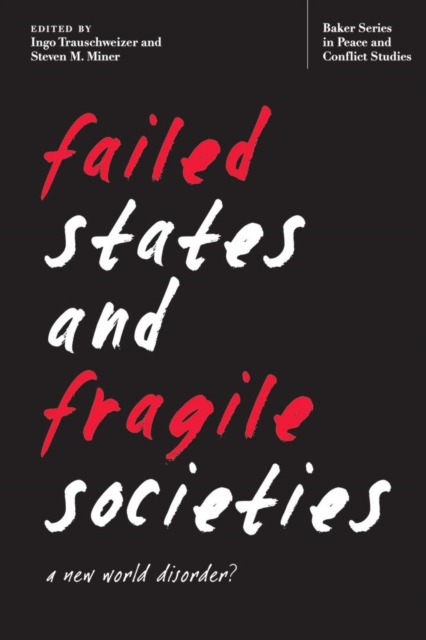
Failed States and Fragile Societies
Since the end of the Cold War, a new dynamic has arisen within the international system, one that does not conform to established notions of the state’s monopoly on war. In this changing environment, the global community must decide how to respond to the challenges posed to the state by military threats, political and economic decline, and social fragmentation. This insightful work considers the phenomenon of state failure and asks how the international community might better detect signs of state decay at an early stage and devise legally and politically legitimate responses. This collection of essays brings military and social historians into conversation with political and social scientists and former military officers. In case studies from the former Yugoslavia, Somalia, Iraq, and Colombia, the distinguished contributors argue that early intervention to stabilize social, economic, and political systems offers the greatest promise, whereas military intervention at a later stage is both costlier and less likely to succeed. Contributors: David Carment, Yiagadeesen Samy, David Curp, Jonathan House, James Carter, Vanda Felbab-Brown, Robert Rotberg, and Ken Menkhaus.
eBook

Risk scores do not adjust for aggressive, evidence-based changes in percutaneous coronary intervention practice patterns
Public reporting of procedural outcomes leads to risk averse behavior because physicians do not believe the scores account for patient risk. We investigated the effects of more aggressive percutaneous coronary intervention (PCI) practice on risk-adjusted mortality.
8935 PCI were performed. Risk adjustment was performed with the New York State PCI risk score. The cohort was divided into two eras based on programs implemented to promote more aggressive care. Between eras, overall adjusted mortality ratios rose from 0.66 to 0.90 (observed/predicted, p = 0.02), despite evidence supporting consistent procedural quality.
Evidence-based changes in PCI practice were associated with worsening risk-adjusted procedural mortality. These data are consistent with physician beliefs regarding risk-adjusted outcome measures.
Journal Article
Borderline left ventricles in prenatally diagnosed atrioventricular septal defect or double outlet right ventricle: Echocardiographic predictors of biventricular repair
Atrioventricular septal defect (AVSD) and double outlet right ventricle (DORV) with normally related great arteries and normal ventricular sizes are associated with a good long-term prognosis after biventricular (BV) repair. The outcome of cases with a borderline small left ventricle (bLV) is unclear. The purpose of the study was to retrospectively determine echocardiographic predictors of successful BV repair in fetuses with AVSD or DORV with a bLV.
From 1991 to 2004, 24 fetuses with AVSD plus bLV and 24 with DORV plus bLV were identified. Fetal echocardiographic parameters comparing BV repair versus single ventricle (SV) palliation were obtained, including the presence or absence of an apex-forming bLV was recorded. A bLV was defined as a right ventricular/left ventricular end-diastolic dimension ratio between 2 and 4 SDs for gestational age. The overall survival from fetal diagnosis was 21% (5/24) for AVSD/bLV and 13% (3/24) for DORV/bLV. Of 11 liveborns with AVSD/bLV and 8 liveborns with DORV/bLV, 6 underwent BV repair (5 survivors), 7 SV palliation (3 survivors), and 1 cardiac transplant. Five infants receiving compassionate care only were excluded from the analysis. Parameters such as ratio of valve annuli, ventricular end-diastolic dimensions, degree of valve regurgitation, and the presence of endocardial fibroelastosis were not too predictive of outcome. The presence of an apex-forming bLV was the only predictor of BV repair (6/6 BV repair vs 2/8 SV palliation,
P < .05).
Prenatally diagnosed AVSD or DORV with bLV has a very poor prognosis. An apex-forming bLV predicts successful BV repair and is an important prognostic indicator.
Journal Article

Stalin's holy war : religion, nationalism, and alliance politics, 1941-1945
Stalin's Holy War: Religion, Nationalism, and Alliance Politics, 1941-1945.
eBook