
Catalogue Search | MBRL


Are you sure you want to remove the book from the shelf?

{{itemTitle}}
632,745
result(s) for
"Moore, A S"
Sort by:


Tunneling Nanotubes Provide a Unique Conduit for Intercellular Transfer of Cellular Contents in Human Malignant Pleural Mesothelioma
Tunneling nanotubes are long, non-adherent F-actin-based cytoplasmic extensions which connect proximal or distant cells and facilitate intercellular transfer. The identification of nanotubes has been limited to cell lines, and their role in cancer remains unclear. We detected tunneling nanotubes in mesothelioma cell lines and primary human mesothelioma cells. Using a low serum, hyperglycemic, acidic growth medium, we stimulated nanotube formation and bidirectional transfer of vesicles, proteins, and mitochondria between cells. Notably, nanotubes developed between malignant cells or between normal mesothelial cells, but not between malignant and normal cells. Immunofluorescent staining revealed their actin-based assembly and structure. Metformin and an mTor inhibitor, Everolimus, effectively suppressed nanotube formation. Confocal microscopy with 3-dimensional reconstructions of sectioned surgical specimens demonstrated for the first time the presence of nanotubes in human mesothelioma and lung adenocarcinoma tumor specimens. We provide the first evidence of tunneling nanotubes in human primary tumors and cancer cells and propose that these structures play an important role in cancer cell pathogenesis and invasion.
Journal Article
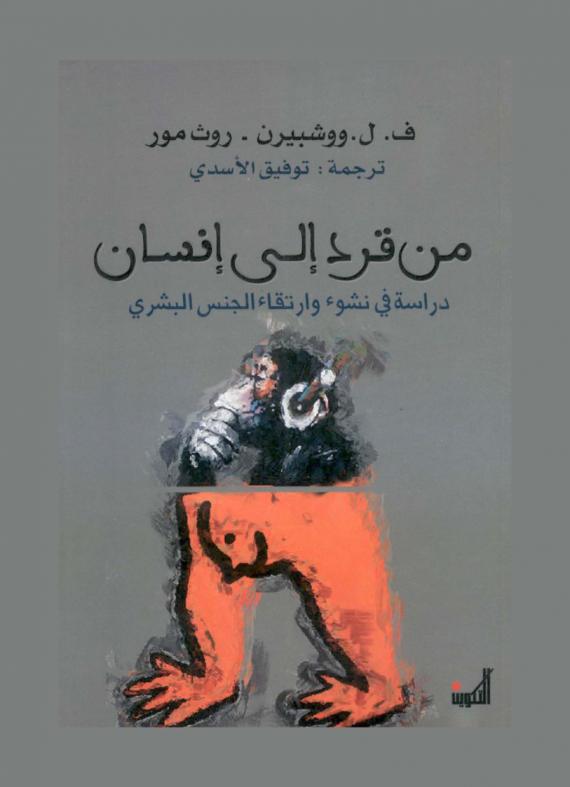
من قرد إلى إنسان : دراسة في نشوء وارتقاء الجنس البشري
يساعد هذا الكتاب على توضيح التطورات الجديدة بأن يورد ما تعلمناه وبأن يشير إلى العمل الجديد قيد الإنجاز وهذا الكتاب الذي قصدنا منه أن يكون مفيدا في نطاق واسع متعلق بالمقررات التعليمية في علم الأنثروبولوجيا، يزودنا بلمحة عن وجهة النظر المتغيرة في نشوء وإرتقاء الإنسان والمصادر الأساسية لوجهة النظر تلك هي اكتشافات وتأريخات وأدوات حجرية تساعدنا على وصف الماضي ودراسات حقلية عن الرئيسات الحية التي تنبئنا بحالة أقرب أقربائنا إلينا وكذلك ما جرى من إنجازات في مجال البيولوجيا الجزيئية وكيمياء المناعة والتي تنير علاقاتنا مع الرئيسات الأخرى في الماضي والحاضر.
BOOK

Erythropoietin Derived by Chemical Synthesis
Erythropoietin is a signaling glycoprotein that controls the fundamental process of erythropoiesis, orchestrating the production and maintenance of red blood cells. As administrated clinically, erythropoietin has a polypeptide backbone with complex dishomogeneity in its carbohydrate domains. Here we describe the total synthesis of homogeneous erythropoietin with consensus carbohydrate domains incorporated at all of the native glycosylation sites. The oligosaccharide sectors were built by total synthesis and attached stereospecifically to peptidyl fragments of the wild-type primary sequence, themselves obtained by solid-phase peptide synthesis. The glycopeptidyl constructs were joined by chemical ligation, followed by metal-free dethiylation, and subsequently folded. This homogeneous erythropoietin glycosylated at the three wild-type aspartates with N-linked high-mannose sialic acid-containing oligosaccharides and O-linked glycophorin exhibits Procrit-level in vivo activity in mice.
Journal Article
Increased cell size, structural complexity and migration of cancer cells acquiring fibroblast organelles by cell-projection pumping
We recently described a hydrodynamic mechanism for cytoplasmic transfer between cells, termed cell-projection pumping (CPP). Earlier image analysis related altered SAOS-2 osteosarcoma cell morphology, to what we now recognize as CPP uptake of fibroblast cytoplasm. We here examine SAOS-2 phenotype following co-culture with human dermal fibroblasts (HDF) in which organelles were pre-labelled with a fluorescent lipophilic marker. Fluorescence activated cell sorting (FACS) analysis was performed of HDF and SAOS-2, cultured either alone or together. FACS forward scatter is proportionate to cell size, and increased for SAOS-2 with high levels of HDF fluorescence uptake (p < 0.004). FACS side scatter is proportionate to internal cell complexity, and increased in SAOS-2 with increasing uptake of HDF fluorescence (p < 0.004), consistent with uptake of HDF organelles. Scratch migration assays revealed that HDF migrated more quickly than SAOS-2 in both isolated cell culture, and following co-culture (p < 0.004). Notably, SAOS-2 with high levels of HDF labelling migrated faster compared with SAOS-2 with low HDF labelling (p < 0.008). A slight and unconvincing reduction in SAOS-2 proliferation was seen (p < 0.02). Similar results were obtained in single additional experiments with A673 and H312 cancer cells. Forward and side scatter results suggest organellar transfer by CPP increases cancer cell morphological diversity. This may contribute to histological pleomorphism relevant to cancer diagnosis and prognosis. Also, increased migration of sub-populations of cancer cells with high CPP organellar uptake, may contribute to invasion and metastasis in-vivo. We thus suggest relevance of CPP to cancer diagnosis and progression.
Journal Article

Cell salvage and donor blood transfusion during cesarean section: A pragmatic, multicentre randomised controlled trial (SALVO)
Excessive haemorrhage at cesarean section requires donor (allogeneic) blood transfusion. Cell salvage may reduce this requirement.
We conducted a pragmatic randomised controlled trial (at 26 obstetric units; participants recruited from 4 June 2013 to 17 April 2016) of routine cell salvage use (intervention) versus current standard of care without routine salvage use (control) in cesarean section among women at risk of haemorrhage. Randomisation was stratified, using random permuted blocks of variable sizes. In an intention-to-treat analysis, we used multivariable models, adjusting for stratification variables and prognostic factors identified a priori, to compare rates of donor blood transfusion (primary outcome) and fetomaternal haemorrhage ≥2 ml in RhD-negative women with RhD-positive babies (a secondary outcome) between groups. Among 3,028 women randomised (2,990 analysed), 95.6% of 1,498 assigned to intervention had cell salvage deployed (50.8% had salvaged blood returned; mean 259.9 ml) versus 3.9% of 1,492 assigned to control. Donor blood transfusion rate was 3.5% in the control group versus 2.5% in the intervention group (adjusted odds ratio [OR] 0.65, 95% confidence interval [CI] 0.42 to 1.01, p = 0.056; adjusted risk difference -1.03, 95% CI -2.13 to 0.06). In a planned subgroup analysis, the transfusion rate was 4.6% in women assigned to control versus 3.0% in the intervention group among emergency cesareans (adjusted OR 0.58, 95% CI 0.34 to 0.99), whereas it was 2.2% versus 1.8% among elective cesareans (adjusted OR 0.83, 95% CI 0.38 to 1.83) (interaction p = 0.46). No case of amniotic fluid embolism was observed. The rate of fetomaternal haemorrhage was higher with the intervention (10.5% in the control group versus 25.6% in the intervention group, adjusted OR 5.63, 95% CI 1.43 to 22.14, p = 0.013). We are unable to comment on long-term antibody sensitisation effects.
The overall reduction observed in donor blood transfusion associated with the routine use of cell salvage during cesarean section was not statistically significant.
This trial was prospectively registered on ISRCTN as trial number 66118656 and can be viewed on http://www.isrctn.com/ISRCTN66118656.
Journal Article

Habitat selection of resident and non-resident gray wolves: implications for habitat connectivity
Habitat selection studies facilitate assessing and predicting species distributions and habitat connectivity, but habitat selection can vary temporally and among individuals, which is often ignored. We used GPS telemetry data from 96 Gray wolves (
Canis lupus
) in the western Great Lakes region of the USA to assess differences in habitat selection while wolves exhibited resident (territorial) or non-resident (dispersing or floating) movements and discuss implications for habitat connectivity. We used a step-selection function (SSF) to assess habitat selection by wolves exhibiting resident or non-resident movements, and modeled circuit connectivity throughout the western Great Lakes region. Wolves selected for natural land cover and against areas with high road densities, with no differences in selection among wolves when resident, dispersing, or floating. Similar habitat selection between resident and non-resident wolves may be due to similarity in environmental conditions, when non-resident movements occur largely within established wolf range rather than near the periphery or beyond the species range. Alternatively, non-resident wolves may travel through occupied territories because higher food availability or lower human disturbance outweighs risks posed by conspecifics. Finally, an absence of differences in habitat selection between resident and non-resident wolf movements may be due to other unknown reasons. We recommend considering context-dependency when evaluating differences in movements and habitat use between resident and non-resident individuals. Our results also provide independent validation of a previous species distribution model and connectivity analysis suggesting most potential wolf habitat in the western Great Lakes region is occupied, with limited connectivity to unoccupied habitat.
Journal Article

Effectiveness of wheelchair skills training for improving manual wheelchair mobility in children and adolescents: protocol for a multicenter randomized waitlist-controlled trial
Background
Self-directed mobility during childhood can influence development, social participation, and independent living later in life. For children who experience challenges with walking, manual wheelchairs (MWCs) provide a means for self-directed mobility. An effective MWC skills training program exists for adults, but controlled trials have not yet been documented in children and adolescents. This paper outlines the protocol for a multi-centre randomized wait-list controlled trial. The primary objective is to test the hypothesis that children and adolescents who receive MWC skills training will have higher MWC skills capacity compared to children and adolescents in the control group who receive usual care. The secondary objectives are to explore the influence of MWC skills training in children and adolescents (MWC use self-efficacy and satisfaction with participation in meaningful activities), and parents (perceived MWC skills); and to measure retention three months later.
Methods
A multi-centre, parallel-group, single-blind randomized wait-list controlled trial will be conducted. A sample of 60 children and adolescents who use MWCs will be recruited in rehabilitation centres, specialized schools, and the communities of three Canadian cities. Participants will be randomized (1:1) to the experimental (Wheelchair Skills Training Program [WSTP]) or wait-list control group (usual care). Performance-based and self-report measures will be completed at baseline (T1), three months (post-intervention, T2), and three months post-intervention (T3). The primary outcome will be MWC skills capacity post-intervention. Secondary outcomes will be MWC use self-efficacy and satisfaction with participation of the child/adolescent, and parent-perceived MWC skills. The WSTP will consist of 12 sessions, 45–60 min each, delivered 1–2 times per week by trained personnel with health professions education. Training will be customized according to the child’s baseline skills and participation goals that require the use of the MWC. The wait-list control group will receive usual care for 3 months and then receive the WSTP after completing T2 evaluations. Data will be analysed using ANCOVA (controlling for baseline scores).
Discussion
MWC skills training may be one way to improve self-directed mobility and related outcomes for children and adolescents. The results of this multi-centre randomized wait-list controlled trial will allow for the effectiveness of the intervention to be evaluated in a variety of clinical contexts and geographical regions.
Trial registration
ClinicalTrials.gov: NCT05564247, Version October 3, 2022.
Journal Article

Clinical characteristics of canine fibrocartilaginous embolic myelopathy (FCE): a systematic review of 393 cases (1973–2013)
Fibrocartilaginous embolic myelopathy (FCE) is common in dogs; however, there is conflicting information in the veterinary literature regarding clinical characteristics and data on recovery in severe cases is sparse. A systematic review of canine FCE was performed to delineate the natural history of this disease. 322 previously reported cases and 71 previously unreported cases were identified for inclusion. Source publications were identified via PubMed central search and by references from review articles. Previously unreported cases were identified via computerised medical records search at two veterinary institutions. FCE was most common in middle-aged large breed dogs (30 per cent); however, the miniature schnauzer was the most frequently reported individual breed and small breeds comprised 24 per cent of all reported cases. The most common neuroanatomical localisation was a T3-L3 myelopathy (33.1 per cent). Prognosis for recovery of ambulation was good to excellent with 85 per cent of cases regaining the ability to walk unassisted, most within 3 weeks. Persistent neurological deficits were common in patients that recovered ambulation (49.1 per cent). When nociception was absent in the affected limbs at initial presentation, rate of recovery was lower (10 per cent); however, this data is likely biased by limited follow-up in more severe cases. Future prospective studies should evaluate prognosis for more severely affected patients.
Journal Article

The independent and interactive associations of physical activity intensity and vitamin D status with bone mineral density in prepubertal children: the PANIC Study
SummaryIt is unclear how physical activity intensity and vitamin D status are related to bone health in prepubertal children. We found positive associations between vitamin D status and moderate-to-vigorous physical activity with bone in boys and girls. This highlights the importance of lifestyle factors for skeletal health prepuberty.IntroductionThe sex-specific independent and interactive associations of physical activity (PA) intensity and serum 25-hydroxyvitamin D (25(OH)D) levels with areal bone mineral density (aBMD) were investigated in prepubertal children.MethodsThe participants were 366 prepubertal Finnish children (190 boys, 176 girls) aged 6–8 years. Linear regression analysed the associations of sedentary time (ST), light PA (LPA), moderate PA (MPA), moderate-to-vigorous PA (MVPA) and vigorous PA (VPA) measured by accelerometery, and serum 25(OH)D with total body less head (TBLH) and lower-limb aBMD, measured by dual-energy X-ray absorptiometry.ResultsThere was no interaction between PA intensity or serum 25(OH)D and sex with aBMD. MPA and MVPA were positively associated with TBLH and lower-limb aBMD (β = 0.11, 95% CI 0.02–0.20, p = 0.01). Serum 25(OH)D was positively associated with TBLH and lower-limb aBMD (β = 0.09, 95% CI 0.01–0.18, p = 0.03). There were no interactions between PA intensity and serum 25(OH)D with aBMD.ConclusionVitamin D status, MPA and MVPA levels in active prepubertal children were positively associated with aBMD. The influence of MVPA is due to the MPA component, though our findings regarding the role of VPA should be interpreted with caution, as shorter accelerometer epochs are needed to more accurately assess VPA. This study adds evidence to the promotion of MPA and behaviours to encourage optimal vitamin D status in supporting skeletal health in childhood, though these need not be used in conjunction to be beneficial, and a sex-specific approach is not necessary in prepubertal children.Trial registration numberNCT01803776. Date of registration: 4/03/2013
Journal Article