
Catalogue Search | MBRL


Are you sure you want to remove the book from the shelf?

{{itemTitle}}
425
result(s) for
"Morales, Maria Moreno"
Sort by:

Brain Volumetric Analysis Using Artificial Intelligence Software in Premanifest Huntington’s Disease Individuals from a Colombian Caribbean Population
Background and objectives: The premanifest phase of Huntington’s disease (HD) is characterized by the absence of motor symptoms and exhibits structural changes in imaging that precede clinical manifestation. This study aimed to analyze volumetric changes identified through brain magnetic resonance imaging (MRI) processed using artificial intelligence (AI) software in premanifest HD individuals, focusing on the relationship between CAG triplet expansion and structural biomarkers. Methods: The study included 36 individuals descending from families affected by HD in the Department of Atlántico. Sociodemographic data were collected, followed by peripheral blood sampling to extract genomic DNA for quantifying CAG trinucleotide repeats in the Huntingtin gene. Brain volumes were evaluated using AI software (Entelai/IMEXHS, v4.3.4) based on MRI volumetric images. Correlations between brain volumes and variables such as age, sex, and disease status were determined. All analyses were conducted using SPSS (v. IBM SPSS Statistics 26), with significance set at p < 0.05. Results: The analysis of brain volumes according to CAG repeat expansion shows that individuals with ≥40 repeats evidence significant increases in cerebrospinal fluid (CSF) volume and subcortical structures such as the amygdalae and left caudate nucleus, along with marked reductions in cerebral white matter, the cerebellum, brainstem, and left pallidum. In contrast, those with <40 repeats show minimal or moderate volumetric changes, primarily in white matter and CSF. Conclusions: These findings suggest that CAG expansion selectively impacts key brain regions, potentially influencing the progression of Huntington’s disease, and that AI in neuroimaging could identify structural biomarkers long before clinical symptoms appear.
Journal Article

Association of Total Sarnat Score with brain injury and neurodevelopmental outcomes after neonatal encephalopathy
We examined the association of Total Sarnat Score (TSS) with brain injury on neonatal magnetic resonance (MR) and adverse neurodevelopmental outcome (NDO) (death or moderate or severe disability) at 2 years of age in 145 infants undergoing therapeutic hypothermia for neonatal encephalopathy. TSS was associated with basal ganglia/thalamic injury on conventional MR (p=0.03) and thalamic N-acetyl aspartate on MR spectroscopy (R2=0.16, p=0.004) at 2 weeks of age, and Bayley Composite Cognitive (R2=0.18, p=0.01), Motor (R2=0.15, p=0.02) and Language (R2=0.11, p=0.01) Scores at 2 years of age after adjustment for seizures at the time of neurological assessment. The accuracy of TSS (area under the curve (AUC)=0.71) for predicting adverse NDO was similar to the modified Sarnat staging (AUC=0.72). TSS of >12 within 6 hours of birth indicated high risk of adverse NDO, while TSS of <4 indicated intact survival and was reassuring of a good outcome among cooled infants.
Journal Article

Effect of intra-partum Oxytocin on neonatal encephalopathy: a systematic review and meta-analysis
Background
Oxytocin is widely used for induction and augmentation of labour, particularly in low- and middle-income countries (LMICs). In this systematic review and meta-analysis, we examined the effect of intra-partum Oxytocin use on neonatal encephalopathy.
Methods
The protocol for this study was registered with PROSPERO (ID: CRD42020165049). We searched Medline, Embase and Web of Science Core Collection databases for papers published between January 1970 and May 2021. We considered all studies involving term and near-term (≥36 weeks’ gestation) primigravidae and multiparous women. We included all randomised, quasi-randomised clinical trials, retrospective studies and non-randomised prospective studies reporting intra-partum Oxytocin administration for induction and/or augmentation of labour. Our primary outcome was neonatal encephalopathy. Risk of bias was assessed in non-randomised studies using the Risk Of Bias In Non-randomised Studies of Interventions (ROBINS-I) tool. The RoB 2.0 tool was used for randomised studies. A Mantel-Haenszel statistical method and random effects analysis model were used for meta-analysis. Odds ratios were used to determine effect measure and reported with 95% confidence intervals.
Results
We included data from seven studies (6 Case-control studies, 1 cluster-randomised trial) of which 3 took place in high-income countries (HICs) and 4 in LMICs. The pooled data included a total of 24,208 women giving birth at or after 36 weeks; 7642 had intra-partum Oxytocin for induction and/or augmentation of labour, and 16,566 did not receive intra-partum Oxytocin. Oxytocin use was associated with an increased prevalence of neonatal encephalopathy (Odds Ratio 2.19, 95% CI 1.58 to 3.04;
p
< 0.00001).
Conclusions
Intra-partum Oxytocin may increase the risk of neonatal encephalopathy. Future clinical trials of uterotonics should include neonatal encephalopathy as a key outcome.
Journal Article
Early and extended erythropoietin monotherapy after hypoxic ischaemic encephalopathy: a multicentre double-blind pilot randomised controlled trial
ObjectiveTo examine the feasibility of early and extended erythropoietin monotherapy after hypoxic ischaemic encephalopathy (HIE).DesignDouble-blind pilot randomised controlled trial.SettingEight neonatal units in South Asia.PatientsNeonates (≥36 weeks) with moderate or severe HIE admitted between 31 December 2022 and 3 May 2023.InterventionsErythropoietin (500 U/kg daily) or to the placebo (sham injections using a screen) within 6 hours of birth and continued for 9 days. MRI at 2 weeks of age.Main outcomes and measuresFeasibility of randomisation, drug administration and assessment of brain injury using MRI.ResultsOf the 154 neonates screened, 56 were eligible; 6 declined consent and 50 were recruited; 43 (86%) were inborn. Mean (SD) age at first dose was 4.4 (1.2) hours in erythropoietin and 4.1 (1.0) hours in placebo. Overall mortality at hospital discharge occurred in 5 (19%) vs 11 (46%) (p=0.06), and 3 (13%) vs 9 (40.9%) (p=0.04) among those with moderate encephalopathy in the erythropoietin and placebo groups. Moderate or severe injury to basal ganglia, white matter and cortex occurred in 5 (25%) vs 5 (38.5%); 14 (70%) vs 11 (85%); and 6 (30%) vs 2 (15.4%) in the erythropoietin and placebo group, respectively. Sinus venous thrombosis was seen in two (10%) neonates in the erythropoietin group and none in the control group.ConclusionsBrain injury and mortality after moderate or severe HIE are high in South Asia. Evaluation of erythropoietin monotherapy using MRI to examine treatment effects is feasible in these settings.Trial registration number NCT05395195.
Journal Article

Erythropoietin monotherapy for neuroprotection after neonatal encephalopathy in low-to-middle income countries: a systematic review and meta-analysis
ObjectiveWe examined whether erythropoietin monotherapy improves neurodevelopmental outcomes in near-term and term infants with neonatal encephalopathy (NE) in low-middle income countries (LMICs).MethodsWe searched Pubmed, Embase, and Web of Science databases to identify studies that used erythropoietin (1500–12,500 units/kg/dose) or a derivative to treat NE.ResultsFive studies, with a total of 348 infants in LMICs, were retrieved. However, only three of the five studies met the primary outcome of death or neuro-disability at 18 months of age or later. Erythropoietin reduced the risk of death (during the neonatal period and at follow-up) or neuro-disability at 18 months or later (p < 0.05). Death or neuro-disability occurred in 27.6% of the erythropoietin group and 49.7% of the comparison group (risk ratio 0.56 (95% CI: 0.42–0.75)).ConclusionThe pooled data suggest that erythropoietin monotherapy may improve outcomes after NE in LMICs where therapeutic hypothermia is not available.
Journal Article

Lived experiences of healthcare personnel in supporting parents around neonatal death: encounters, challenges and meaning
ObjectiveTo explore healthcare personnel’s (HCP) lived experiences of caring for dying newborns and supporting bereaved parents in neonatal intensive care unit (NICU), drawing on relational, ethical and organisational factors.DesignQualitative study using hermeneutic phenomenology. Semistructured, in-depth interviews analysed thematically to interpret the meanings embedded in participants’ narratives.SettingThree tertiary NICUs in the UK.ParticipantsEight female HCP (five nurses, three doctors) with 3–20 years’ (median=12 years) NICU experience.ResultsExperiences were strongly shaped by temporality and clinical trajectory. Expected deaths (gradual decline) enabled preparation, continuity of carer and opportunities for closeness and memory-making, whereas unexpected deaths (sudden deterioration) heightened moral distress, complicated communication and constrained what could be offered to families. Four themes described how optimal experiences were pursued: (1) facilitating parent–infant closeness, (2) providing comprehensive family support, (3) communication and interpersonal engagement and (4) an emotionally intense experience for HCPs.The study revealed an overarching phenomenon—creating an optimal experience for parents as an implicit coping mechanism for HCP. As they cared for a dying newborn and its family, it helped them achieve a sense of accomplishment as well as the strength to power through the distress and anguish.ConclusionsThe study highlights the relational foundation of neonatal end-of-life care, showing that HCPs’ well-being and quality of parental support and care provided are closely linked. Recognising this interdependence may inform training, supervision and organisational design to strengthen compassionate and sustainable NICU bereavement care.
Journal Article

Parental and professional perceptions of informed consent and participation in a time-critical neonatal trial: a mixed-methods study in India, Sri Lanka and Bangladesh
IntroductionTime-critical neonatal trials in low-and-middle-income countries (LMICs) raise several ethical issues. Using a qualitative-dominant mixed-methods design, we explored informed consent process in Hypothermia for encephalopathy in low and middle-income countries (HELIX) trial conducted in India, Sri Lanka and Bangladesh.MethodsTerm infants with neonatal encephalopathy, aged less than 6 hours, were randomly allocated to cooling therapy or usual care, following informed parental consent. The consenting process was audio-video (A-V) recorded in all cases. We analysed A-V records of the consent process using a 5-point Likert scale on three parameters—empathy, information and autonomy. In addition, we used exploratory observation method to capture relevant aspects of consent process and discussions between parents and professionals. Finally, we conducted in-depth interviews with a subgroup of 20 parents and 15 healthcare professionals. A thematic analysis was performed on the observations of A-V records and on the interview transcripts.ResultsA total of 294 A-V records of the HELIX trial were analysed. Median (IQR) score for empathy, information and autonomy was 5 (0), 5 (1) and 5 (1), respectively. However, thematic analysis suggested that the consenting was a ceremonial process; and parental decision to participate was based on unreserved trust in the treating doctors, therapeutic misconception and access to an expensive treatment free of cost. Most parents did not understand the concept of a clinical trial nor the nature of the intervention. Professionals showed a strong bias towards cooling therapy and reported time constraints and explaining to multiple family members as key challenges.ConclusionDespite rigorous research governance and consent process, parental decisions were heavily influenced by situational incapacity and a trust in doctors to make the right decision on their behalf. Further research is required to identify culturally and context-appropriate strategies for informed trial participation.
Journal Article
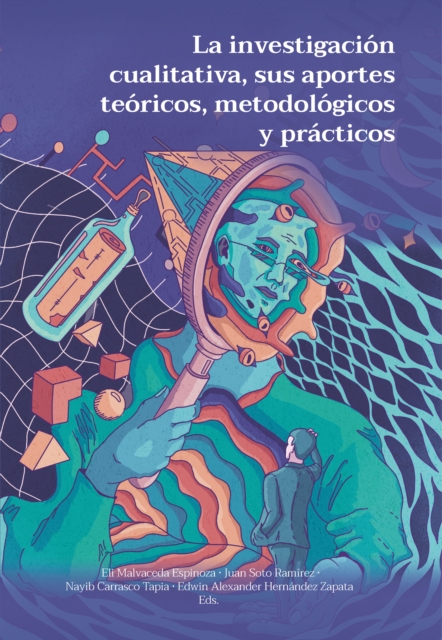
La investigación cualitativa, sus aportes teóricos, metodológicos y prácticos
La investigación científica se ha encontrado circunscrita a los parámetros de la investigación cuantitativa. Sin embargo, es claro que, frente a los paradigmas dominantes, otros se fueron consolidando y pusieron en evidencia las controversias paradigmáticas en relación con su naturaleza axiomática. Actualmente, la investigación cualitativa ha desarrollado sólidas líneas de indagación relacionadas con enfoques dirigidos a puntos de vista subjetivos, descripción de la creación de situaciones sociales y análisis hermenéutico de las estructuras subyacentes. En cierto sentido, se fue definiendo un estándar sobre qué decía, cómo y con qué conceptos se debía conocer. A mediados del siglo xx, se fortaleció lo que podríamos denominar hoy la revolución cualitativa, la cual no solo ha dado frutos, sino que también se ha consolidado como un estilo que se ha nutrido de una ontología, de una epistemología y de una metodología particulares más allá de la conmensurabilidad. Con el ánimo de posicionar la investigación cualitativa en el centro del debate, la reflexión y el quehacer, la Asociación Peruana de Investigación Cualitativa (apic), fundada en el 2019, decidió organizar el Primer Seminario Internacional de Investigación Cualitativa; este seminario virtual contó con ponentes de Perú, México, Colombia, Argentina y España, así como con más de 1600 personas inscritas provenientes de quince países, básicamente, de América Latina. Este libro de investigación recoge en once capítulos algunos de esos trabajos presentados para este Seminario. Gracias a las gestiones realizadas por la Universidad Cooperativa de Colombia (ucc) y la Sociedad Mexicana de Psicología Social (Somepso), se construyó esta obra, con colaboración de investigadores de distintos países. Este manuscrito tiene el objetivo de dar a conocer un conjunto de trabajos que sirvan tanto de apoyo como inspiración a los investigadores en formación, a los jóvenes investigadores y a los investigadores consolidados, en el quehacer de la investigación cualitativa. En tal sentido, el libro se compone de capítulos metodológicos y empíricos. En los primeros se presentan aquellas reflexiones metodológicas propuestas por los autores y que pueden servir de guía, inspiración y discusión para realizar una investigación cualitativa. Este apartado comprende teorizaciones inéditas preparadas para el seminario. En la segunda sección se presentan experiencias de investigación cualitativa que permiten reflejar el quehacer investigativo. Todos los trabajos que aquí se presentan son inéditos y fueron preparados específicamente para este libro.
eBook

Treatment of canine leishmaniasis with marbofloxacin in dogs with renal disease
Treatment of canine leishmaniasis (CanL) represents a challenge. Due to the high prevalence of renal disease associated to CanL, it is important to find an effective drug that does not damage the kidneys. Marbofloxacin has been shown to be effective and well tolerated in non-azotemic dogs with leishmaniasis. To evaluate the safety and efficacy of marbofloxacin in dogs with leishmaniasis and decreased renal function, 28 dogs suffering from leishmaniasis and chronic kidney disease (CKD) were treated with oral marbofloxacin at 2 mg/Kg/day for 28 days. During treatment dogs were assessed by performing weekly physical exams, measuring blood pressure and evaluating blood and urine parameters. Lymph node aspirations were also obtained at days 0 and 28. The global clinical score decreased significantly, from 6.2±3.4 to 4.7±3.1 (p = 0.0001), after treatment. Marbofloxacin also decreased parasitic load in 72% of the dogs. No significant differences in plasma creatinine, urine specific gravity, urinary concentrations of cystatin C, ferritin and urinary protein loss were detected during treatment. A transient but significant decrease in blood pressure was detected up to day 14 (from 180.1±36.6 to 166.0±32.7 mmHg; p = 0.016). Moreover, dogs showed a significant increase in plasma albumin concentration (from 15.0±5.2 to 16.6±3.9 g/L; p = 0.014) and a significant decrease in globulin concentration (from 59.0±18.1 to 54.1±18.0 g/L; p = 0.005). The results demonstrate that, in addition to being effective for treatment of CanL, marbofloxacin is a very safe drug in dogs with CKD and leishmaniasis.
Journal Article