
Catalogue Search | MBRL


Are you sure you want to remove the book from the shelf?

{{itemTitle}}
435
result(s) for
"Morgan, Sue"
Sort by:
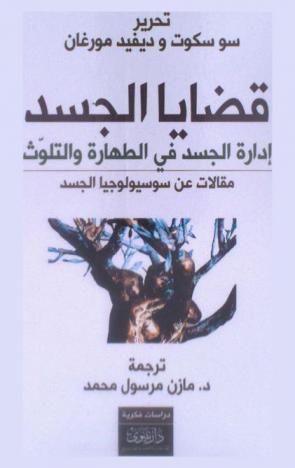
قضايا الجسد : مقالات عن سوسيولوجيا الجسد
هذا الكتاب موجه لطلاب الجامعيين وطلاب الدراسات العليا، والمحاضرين في علم الاجتماع، الدراسات الثقافية، الدراسات النسوية والجندرية ويقوم المؤلفان بتفحص الروابط اللاحقة للقيود اليومية، ألا وهي الجسد الذكري وإخصائيات العلاج الطبيعي الإناث، لاعبو كمال الأجسام ومستشارو العلاقات الزوجية والجنسية، العاملون بالجنس وجميعهم يقدمون نتائج أبحاث جديدة أو حديثة حول جوانب من الجسد، مختلفة عن ما يرى تقليديا بأنه طبيعي، ويتم النظر والتساؤل حول أوجه الصورة الذاتية مقابل توقعات المجتمع وعدد من التطورات في النقاش الدائر عن الجسد حول مواضيع مثل الفكر النسوي، دراسة الصحة والمرض والنظرية الثقافية يتم تقديمها في سلسة مقالات تستعرض تعدد الاهتمامات الواردة سابقا.
Book

Transition of young people from children’s into adults’ services: what works for whom and in what circumstances – protocol for a realist synthesis
IntroductionThe process of transitioning young people from children’s or adolescents’ health services into adults’ services is a crucial time in the lives and health of young people and has been reported to be disjointed rather than a process of preparation in which they are involved. Such transitions not only fail to meet the needs of young people and families at this time of significant change, but they may also result in a deterioration in health, or disengagement with services, which can have deleterious long-term consequences. Despite the wealth of literature on this topic, there has yet to be a focus on what works for whom, in what circumstances, how and why, in relation to all young people transitioning from children’s into adults’ services, which this realist synthesis aims to address.Methods and analysisThis realist synthesis will be undertaken in six stages: (1) the scope of the review will be defined; (2) initial programme theories (IPTs) developed; (3) evidence searched; (4) selection and appraisal; (5) data extraction and synthesis; and (6) finally, refine/confirm programme theory. A theory-driven, iterative approach using the ‘On Your Own Feet Ahead’ theoretical framework, will be combined with an evidence search including a review of national transition policy documents, supplemented by citation tracking, snowballing and stakeholder feedback to develop IPTs. Searches of EMBASE, EMCARE, Medline, CINAHL, Cochrane Library, Web of Science, Scopus, APA PsycINFO and AMED will be conducted from 2014 to present, supplemented with grey literature, free-text searching (title, abstract and keywords) and citation tracking. Data selection will be based on relevance and rigour and extracted and synthesised iteratively with the aim of identifying and exploring causal links between contexts, mechanisms and outcomes. Results will be reported according to the Realist And Meta-narrative Evidence Syntheses: Evolving Standards Quality and Publication Standards.Ethics and disseminationThis realist synthesis forms part of the National Transition Evaluation Study, which has received ethical and regulatory approval (IRAS ID: 313576). Results will be disseminated through peer-review publication, conference presentations and working with healthcare organisations, stakeholder groups and charities.Trial registration numberNCT05867745.PROSPERO registration numberCRD42023388985.
Journal Article

Writing programs, collaborations, and partnerships : transcending boundaries
\"This book demonstrates how to develop and engage in successful academic collaborations that are both practical and sustainable across campuses and within local communities. Authored by experienced writing program administrators, this edited collection includes a wide range of information addressing collaborative partnerships and projects, theoretical explorations of collaborative praxis, and strategies for sustaining collaborative initiatives. Contributors offer case studies of writing program collaborations and honestly address both the challenges of academic collaboration and the hallmarks of successful partnerships.\"--Publisher description.
Book

The support and information needs of adolescents and young adults with cancer when active treatment ends
Background
The end of active treatment is a period of high stress for young people with cancer, but limited literature exists about their information and support needs during this phase. This study aimed to understand the needs of young people with cancer, how these needs are currently being met, and how best to provide information and support at the end of active treatment.
Methods
This was a multi-stage, mixed methods study exploring the end of treatment experience from the perspectives of young people, and the healthcare professionals caring for them. Semi-structured interviews were undertaken with healthcare professionals, which informed a survey administered nationally. Subsequently, semi-structured interviews were conducted with young people. These combined results informed a co-design workshop to develop recommendations.
Results
Telephone interviews were conducted with 12 healthcare professionals and 49 completed the online survey. A total of 11 young people aged 19–26 years (female = 8; 73%) were interviewed. The stakeholder workshop was attended by both healthcare professionals (
n
= 8) and young people (
n
= 3). At the end of treatment young people experience numerous ongoing physical issues including pain, fatigue and insomnia; in addition to a range of psychosocial and emotional issues including anxiety, fear of recurrence and isolation. The top three priorities for end of treatment care were: earlier provision and preparation around on-going impact of cancer and cancer treatment; standardised and continued follow-up of young people’s emotional well-being; and development of more information and resources specific to young people.
Conclusion
The access and availability of appropriate information and sources of support at the end of treatment is variable and inequitable. Young people’s needs would be more effectively met by timely, structured and accessible information, and support provision at the end of treatment to both prepare and enable adaptation across their transition to living with and beyond cancer. This will require both organisational and practical adjustments in care delivery, in addition to a renewed and updated understanding of what the ‘end of treatment’ transition process means.
Journal Article

Bringing Young People, Health and Social Care Professionals, Transition Champions and Policymakers Together Through Hybrid Methods of Participation: Creating a Space for Shared Understanding of What Is Required to Improve Young People's Healthcare Transition
Introduction A multi‐stakeholder conference was held in 2023, celebrating the achievements of the Burdett National Transition Nursing Network (BNTNN). The BNTNN had been implemented across England in 2020 to map the current state of young people's healthcare transition into adult services across England, and work with key stakeholders to coach them through making sustainable quality improvements to young people's transition services. This work was funded by the Burdett Trust for Nursing, following the success of an exemplar Model for Quality Improvement (QI) for Transition, which had been developed at a Teaching Hospital in England. The BNTNN consisted of a National Lead Nurse, four Regional Nurse Advisors based in host organisations in the four main regions of England, and an Expert Advisor for the care of young people. A research team was appointed to evaluate the impact of the BNTNN, leading the National Transition Evaluation Study. The BNTNN Lead Nurse worked in partnership with NHS England to provide national solutions to high‐level barriers to the implementation of transition pathways. Methods Young people with long‐term conditions have participated and engaged with the BNTNN since its inception, throughout the QI project and research through membership to the Transition Advisory Group. Young people, professionals, staff members and policymakers were included in our hybrid conference in March 2023. The BNTNN and research team brought these groups together to share learning from the 3‐year project, celebrating and showcasing achievements in each region as a result of the expert advice and support from the network. Young people contributed their experiences of transition journeys into adult services, and policymakers reflected upon national developments. Provider organisations from each region showcased their transition transformation journeys, sharing successes and challenges encountered during the QI process. The research team provided an update, and was responsible for capturing content and discussions on the day. Results With 405 attendees, the conference provided peer support and guidance, and enabled connections between young people, health and social care professionals, transition champions and policymakers. The primary aim was to forge long‐lasting collaborations for the benefit of improving health services and outcomes for young people. Conclusion In this article we highlight how it is possible to bring key stakeholders together through hybrid methods of participation, and how this enabled a shared understanding and a combined commitment to progress young people's transition services for the future. Patient or Public Contribution Young people who are experts by experience have been involved throughout this 3‐year project and in the ongoing evaluation. Here we highlight the importance of involving young people, professionals, staff members and policymakers when creating a space for shared understanding of what is required to improve services for young people transitioning into adult healthcare services. Trial Registration NCT05867745 [ClinicalTrials.gov].
Journal Article
Research priorities for young people with cancer: a UK priority setting partnership with the James Lind Alliance
ObjectivesTo conduct a UK-wide survey of young people who have experienced cancer, carers and professionals, to identify and prioritise research questions to inform decisions of research funders and support the case for research with this unique cancer population.DesignJames Lind Alliance Priority Setting Partnership.SettingUK health service and community.MethodsA steering group oversaw the initiative and partner organisations were recruited. Unanswered questions were collected in an online survey. Evidence searching verified uncertainties. An interim survey was used to rank questions prior to a final prioritisation workshop.ParticipantsYoung people aged 13–24 years with a current or previous cancer diagnosis, their families, friends, partners and professionals who work with this population.ResultsTwo hundred and ninety-two respondents submitted 855 potential questions. Following a refining process and removal of ‘out of scope’ questions, 208 unique questions remained. Systematic evidence checking identified seven answered questions and 16 were the subject of ongoing studies. The interim survey was completed by 174 participants. The top 30 questions were prioritised at a workshop attended by 25 young people, parents and multidisciplinary professionals. The top three priorities are: (1) What psychological support package improves psychological well-being, social functioning and mental health during and after treatment? (2) What interventions, including self-care, can reduce or reverse adverse short-term and long-term effects of cancer treatment? (3) What are the best strategies to improve access to clinical trials? The remaining questions reflect the complete cancer pathway: new therapies, life after cancer, support, education/employment, relapse and end-of-life care.ConclusionsWe have identified shared research priorities for young people with cancer using a rigorous, person-centred approach involving stakeholders typically not involved in setting the research agenda. The breadth of priorities suggest future research should focus on holistic and psychosocial care delivery as well as traditional drug/biology research.
Journal Article
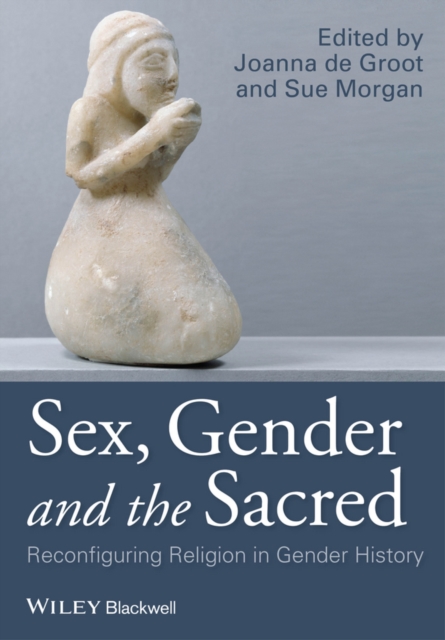
Sex, gender, and the sacred : reconfiguring religion in gender history
Sex, Gender and the Sacred presents a multi-faith, multi-disciplinary collection of essays that explore the interlocking narratives of religion and gender encompassing 4,000 years of history.
* Contains readings relating to sex and religion that encompass 4,000 years of gender history
* Features new research in religion and gender across diverse cultures, periods, and religious traditions
* Presents multi-faith and multi-disciplinary perspectives with significant comparative potential
* Offers original theories and concepts relating to gender, religion, and sexuality
* Includes innovative interpretations of the connections between visual, verbal, and material aspects of particular religious traditions
eBook
Reporting the whole story: Analysis of the ‘out‐of‐scope’ questions from the James Lind Alliance Teenage and Young Adult Cancer Priority Setting Partnership Survey
Objective We conducted a UK‐wide survey to identify the top 10 research questions for young people's cancer. We conducted secondary analysis of questions submitted, which were ‘out‐of‐scope’ of the original survey aim. We sought to disseminate these questions, to inform practice, policy and the development of potential interventions to support young people with cancer. Design James Lind Alliance Priority Setting Partnership. Participants Young people aged 13‐24 with a current/previous cancer diagnosis, their families/friends/partners and professionals who work with this population. Methods Eight hundred and fifty‐five potential research questions were submitted, and 326 were classified as ‘out‐of‐scope’. These questions, along with 49 ‘free‐text’ comments, were analysed using thematic analysis. Results The 375 out‐of‐scope questions and comments were submitted by: 68 young people, 81 family members/partners/friends and 42 professionals. Ten overarching themes were identified: diagnostic experience; communication; coordination of care; information needs and lack of information; service provision; long‐term effects and aftercare support; family support; financial impact; end‐of life care; and research methods and current research. Conclusions The need to tailor services, information and communication is a striking thread evidenced across the ‘out‐of‐scope’ questions. Gaps in information highlight implications for practice in revisiting information needs throughout the cancer trajectory. We must advocate for specialist care for young people and promote the research priorities and these findings to funding bodies, charities, young people and health and social care policymakers, in order to generate an evidence base to inform effective interventions across the cancer trajectory and improve outcomes. Patient/public contributions Patients and carers were equal stakeholders throughout.
Journal Article

Online information and support needs of young people with cancer: a participatory action research study
The Internet is a fully integrated part of young people's life and it is pivotal that online resources are developed to maximize the potential of the Internet to support those living with and beyond cancer. We sought to understand how young people with a cancer diagnosis use the Internet and to what extent information and support needs are met by existing online resources.
This was a participatory action research study involving 21 young people participating in workshops and individual interviews. Participants aged 13-24 years were diagnosed with a range of cancers. Young people were on treatment or had completed treatment; some had experienced relapse. Workshops consisted of participatory methods including focus group discussions, interactive activities, and individual thought, encompassing online resources used; when, how and what they were searching for, whether resources were helpful and how they could be improved.
Young people reported using communication platforms, entertainment sites, social media, medical websites, charity websites, and search engines to find information and support. Different online use and needs were described throughout their cancer timeline and online use was generally driven by negative emotions. Seven factors influenced access and engagement: 1) where young people were on their cancer timeline; 2) external influencing factors, such as family and environments; 3) emotional drivers; 4) what young people search for online; 5) resources, websites, and digital platforms used by young people; 6) availability, accessibility, and assessment of online information and resources; 7) emotional responses to using online resources.
The way young people access and engage with online resources is complex with multiple influencing factors including powerful emotional drivers and responses to Internet searching. There is a need to develop resources that support the holistic needs of young people and this should be done in collaboration with young people.
Journal Article

Involving young people in BRIGHTLIGHT from study inception to secondary data analysis: insights from 10 years of user involvement
Plain English summary
Young people with cancer are often described as ‘hard to reach’, ‘difficult to engage’ and/or ‘vulnerable’. Consequently, they are often over looked for patient and public involvement activities. We set out to involve young people with cancer to work as co-researchers in the design of the largest ever study of young people with cancer, called BRIGHTLIGHT. In the 10 years since the BRIGHTLIGHT feasibility work began we have involved more than 1200 young people as co-researchers, collaborators, consultants and dissemination partners. We chronicle the key points of this 10-year journey, sharing our success, describing our challenges and the solutions we put in place; sharing also what worked and did not work. Here we share some of these experiences of involving young people in this research and offer some practical advice for those looking to do the same.
Background
Young people with cancer, broadly those aged 13–24 years at diagnosis, warrant special attention; physiological and psychological growth creates complex psychosocial needs which neither adult nor child systems are suitably designed to deal with. Resulting from these needs, they are often described as ‘vulnerable’, ‘hard to reach’ and ‘difficult to engage’, and consequently are often over looked for patient and public involvement/engagement (PPIE) roles. In our study ‘BRIGHTLIGHT’, we set out to evaluate whether specialist care for young people adds value, ensuring young people were central to our PPIE activities. We believe that BRIGHTLIGHT is unique as a very large study of young people with cancer which has successfully overcome the challenges of including young people in the research process so we are confident that they have influenced every aspect of study design, conduct and dissemination.
Methods
We chronicle a period of 10 years, over which we describe our approach and our methods to involving young people in PPIE activities in BRIGHTLIGHT. We describe the feasibility work, study set up, conduct and dissemination of our findings, and weave through our story of PPIE to illustrate its benefits. Through the narration of our experience we highlight significant points that both influenced and changed our direction of travel. We reflect on our experiences and offer some practical advice for those looking to do the same.
Results
In the 10 years since the BRIGHTLIGHT feasibility work began we have involved more than 1200 young people. Their contributions have been isolated and mapped over a 10-year period. We begin at an early step of identifying what research questions to prioritize, we then plot PPIE activities for one of these research priorities, place of care, which evolved into BRIGHTLIGHT. We document steps along the way to evidence the impact of this involvement.
Conclusions
Young people can make a valuable contribution to healthcare research given adequate support from the research team. Although some challenges exist, we propose that the benefits to young people, researchers and the study considerably outweigh these challenges and PPIE with young people should be integrated in all similar research studies.
Journal Article