
Catalogue Search | MBRL


Are you sure you want to remove the book from the shelf?

{{itemTitle}}
56
result(s) for
"Napp, Sebastian"
Sort by:
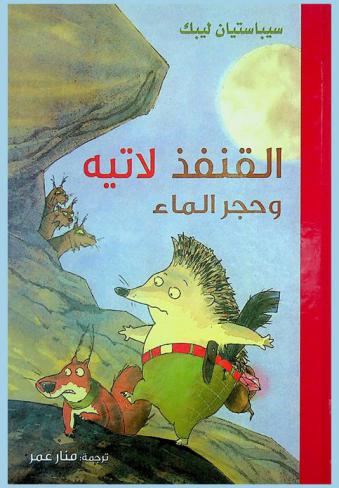
القنفذ لاتيه وحجر الماء
سار القنفذ لآتيه في الغابة وقد كسا الحزن وجهه، يا له من تحول في أحوال الغابة خلال الآونة الأخيرة. قال القنفذ : أيتها الغابة المسكينة إلام سوف يؤول حالك إن لم تمطر قريبا ؟ سوف تموتين بكل تأكيد ؟. غابة القنفذ مظلمة ومعدومة المياه، حتى بحيرة الأسماك جفت. يروي الغراب أنه وجد حجر ماء غريب، سيعيد الماء إلى الغابة، فيمضي القنفذ باحثا عنه.
Book

Hotspot of Crimean-Congo Hemorrhagic Fever Virus Seropositivity in Wildlife, Northeastern Spain
We conducted a serosurvey for Crimean-Congo hemorrhagic fever virus antibodies in various wildlife species in Catalonia, northeastern Spain. We detected high seroprevalence in southern Catalonia, close to the Ebro Delta wetland, a key stopover for birds migrating from Africa. Our findings could indicate that competent virus vectors are present in the region.
Journal Article

The Role of Birds of Prey in West Nile Virus Epidemiology
Reported human cases of West Nile virus (WNV) in Europe increased dramatically in 2018. Lineage 1 strains had been circulating in Euro-Mediterranean countries since the early 1990s. The subsequent introduction of WNV lineage 2 has been responsible for the remarkable upsurge of European WNV outbreaks since 2004, including the dramatic increase in human cases observed since 2018. The virus exists in a natural cycle between mosquitoes and wild birds, with humans and horses acting as dead-end hosts. As the key vertebrate hosts in the transmission cycle of WNV, avian species have been the focus of surveillance across many countries. Raptors appear particularly susceptible to WNV infection, resulting in higher prevalence, and in some cases exhibiting neurological signs that lead to the death of the animal. In addition, birds of prey are known to play an important role as WNV reservoir and potentially amplifying hosts of infection. Importantly, raptor higher susceptibility/prevalence may indicate infection through predation of infected prey. Consequently, they are considered important target species when designing cost-effective surveillance for monitoring both seasonal WNV circulation in endemic countries and its emergence into new areas, where migrating raptors may play a critical role in virus introduction. This review summarizes the different aspects of the current knowledge of WNV infection in birds of prey and evaluates their role in the evolution of the epizootic that is spreading throughout Europe.
Journal Article
Evidence of Prolonged Crimean-Congo Hemorrhagic Fever Virus Endemicity by Retrospective Serosurvey, Eastern Spain
We conducted a retrospective serosurvey for antibodies against Crimean-Congo hemorrhagic fever virus in wild ungulates along the eastern Mediterranean Coast of Spain. The virus has been endemic in this region since 2010 but is mainly restricted to geographic clusters with extremely high seropositivity associated with high density of bovids.
Journal Article

Feed additives for the control of post-weaning Streptococcus suis disease and the effect on the faecal and nasal microbiota
Medicated feed is a common strategy to control the occurrence of
Streptococcus suis
disease in swine production, but feed additives may constitute an alternative to metaphylaxis. In a farm with post-weaning
S. suis
disease, the following additives were tested: lysozyme (Lys), medium chain fatty acids plus lysozyme (FA + Lys), FA plus a natural anti-inflammatory (FA + antiinf) and amoxicillin (Amox). During the course of the study, FA + antiinf and Amox groups showed lower prevalence of clinical signs compatible with
S. suis
disease than the rest of the groups. Piglets from the FA + antiinf group showed high diversity and richness in their nasal and faecal microbiota. Diet supplements did not have major effects on the faecal microbiota, where the genus
Mitsuokella
was the only differentially present in the FA + Lys group. In the nasal microbiota, piglets from FA + antiinf presented higher differential abundance of a sequence variant from
Ruminococcaceae
and lower abundance of an unclassified genus from
Weeksellaceae
. In general, we detected more significant changes in the nasal than in the feacal microbiota, and found that parity of the dams affected the microbiota composition of their offspring, with piglets born to gilts exhibiting lower richness and diversity. Our results suggest that additives could be useful to control post-weaning disease when removing antimicrobials in farms.
Journal Article

Understanding the legal trade of cattle and camels and the derived risk of Rift Valley Fever introduction into and transmission within Egypt
Rift Valley Fever (RVF) is a mosquito-borne zoonosis, which may cause significant losses for the livestock sector and have serious public health implications. Egypt has been repeatedly affected by RVF epidemics, mainly associated to the importation of animals from sub-Saharan countries, where the disease is endemic. The objective of our study was the improvement of the surveillance and control strategies implemented in Egypt. In order to do that, first we evaluated the legal trade of live animals into and within Egypt. Then, we assessed the risk of Rift Valley Fever virus (RVFV) transmission within the country using a multi-criteria evaluation approach. Finally, we combined the animal trade and the risk of RVFV transmission data to identify those areas and periods in which the introduction of RVFV is more likely. Our results indicate that the main risk of RVFV introduction is posed by the continuous flow of large number of camels coming from Sudan. The risk of RVFV transmission by vectors is restricted to the areas surrounding the Nile river, and does not vary significantly throughout the year. Imported camels are taken to quarantines, where the risk of RVFV transmission by vectors is generally low. Then, they are taken to animal markets or slaughterhouses, many located in populated areas, where the risk of RVFV transmission to animals or humans is much higher. The measures currently implemented (quarantines, vaccination or testing) seem to have a limited effect in reducing the risk of RVFV introduction, and therefore other (risk-based) surveillance strategies are proposed.
Journal Article

Field-captured Aedes vexans (Meigen, 1830) is a competent vector for Rift Valley fever phlebovirus in Europe
Background
Aedes vexans
(Meigen) is considered a nuisance species in central Europe and the Mediterranean region. It is an anthropophilic and mammalophilic floodwater mosquito involved in the transmission of several arboviruses. Rift Valley fever (RVF) is a relevant mosquito-borne zoonosis, affecting mainly humans and ruminants, that causes severe impact in public health and economic loses. Due to globalization and climate change, the European continent is threatened by its introduction. The main purpose of the present study was to evaluate the vector competence of a European field-collected
Ae. vexans
population.
Methods
Aedes vexans
field-collected larvae were reared in the laboratory under field-simulated conditions. To assess the vector competence for Rift Valley fever phlebovirus (RVFV) transmission, adult F0 females were exposed to infectious blood meals containing the 56/74 RVFV strain. Additionally, intrathoracic inoculations with the same virus strain were performed to evaluate the relevance of the salivary gland barriers. Natural circulation of alphavirus, flavivirus and phlebovirus was also tested.
Results
To our knowledge, an autochthonous
Ae. vexans
population was experimentally confirmed as a competent vector for RVFV for the first time. This virus was capable of infecting and disseminating within the studied
Ae. vexans
mosquitoes. Moreover, infectious virus was isolated from the saliva of disseminated specimens, showing their capacity to transmit the virus. Additionally, a natural infection with a circulating Mosquito flavivirus was detected. The co-infection with the Mosquito flavivirus seemed to modulate RVFV infection susceptibility in field-collected
Ae. vexans
, but further studies are needed to confirm its potential interference in RVFV transmission.
Conclusions
Our results show that field-collected European
Ae. vexans
would be able to transmit RVFV in case of introduction into the continent. This should be taken into consideration in the design of surveillance and control programmes.
Journal Article

Epidemiological Investigation of Bovine Tuberculosis Herd Breakdowns in Spain 2009/2011
We analyzed the most likely cause of 687 bovine tuberculosis (bTB) breakdowns detected in Spain between 2009 and 2011 (i.e., 22% of the total number of breakdowns detected during this period). Seven possible causes were considered: i) residual infection; ii) introduction of infected cattle from other herds; iii) sharing of pastures with infected herds; iv) contiguous spread from infected neighbor herds; v) presence of infected goats in the farm; vi) interaction with wildlife reservoirs and vii) contact with an infected human. For each possible cause a decision tree was developed and key questions were included in each of them. Answers to these key questions lead to different events within each decision tree. In order to assess the likelihood of occurrence of the different events a qualitative risk assessment approach was used. For this purpose, an expert opinion workshop was organized and ordinal values, ranging from 0 to 9 (i.e., null to very high likelihood of occurrence) were assigned. The analysis identified residual infection as the most frequent cause of bTB breakdowns (22.3%; 95%CI: 19.4-25.6), followed by interaction with wildlife reservoirs (13.1%; 95%CI: 10.8-15.8). The introduction of infected cattle, sharing of pastures and contiguous spread from infected neighbour herds were also identified as relevant causes. In 41.6% (95%CI: 38.0-45.4) of the breakdowns the origin of infection remained unknown. Veterinary officers conducting bTB breakdown investigations have to state their opinion about the possible cause of each breakdown. Comparison between the results of our analysis and the opinion from veterinary officers revealed a slight concordance. This slight agreement might reflect a lack of harmonized criteria to assess the most likely cause of bTB breakdowns as well as different perceptions about the importance of the possible causes. This is especially relevant in the case of the role of wildlife reservoirs.
Journal Article

Widespread Circulation of Flaviviruses in Horses and Birds in Northeastern Spain (Catalonia) between 2010 and 2019
The surveillance for West Nile virus (WNV) in Catalonia (northeastern Spain) has consistently detected flaviviruses not identified as WNV. With the aim of characterizing the flaviviruses circulating in Catalonia, serum samples from birds and horses collected between 2010 and 2019 and positive by panflavivirus competition ELISA (cELISA) were analyzed by microneutralization test (MNT) against different flaviviruses. A third of the samples tested were inconclusive by MNT, highlighting the limitations of current diagnostic techniques. Our results evidenced the widespread circulation of flaviviruses, in particular WNV, but also Usutu virus (USUV), and suggest that chicken and horses could serve as sentinels for both viruses. In several regions, WNV and USUV overlapped, but no significant geographical aggregation was observed. Bagaza virus (BAGV) was not detected in birds, while positivity to tick-borne encephalitis virus (TBEV) was sporadically detected in horses although no endemic foci were observed. So far, no human infections by WNV, USUV, or TBEV have been reported in Catalonia. However, these zoonotic flaviviruses need to be kept under surveillance, ideally within a One Health framework.
Journal Article

Transmission of Similar Mcr-1 Carrying Plasmids among Different Escherichia coli Lineages Isolated from Livestock and the Farmer
Colistin use has mostly been stopped in human medicine, due to its toxicity. However, nowadays, it still is used as a last-resort antibiotic to treat hospital infections caused by multi-drug resistant Enterobacteriaceae. On the contrary, colistin has been used in veterinary medicine until recently. In this study, 210 fecal samples from pigs (n = 57), calves (n = 152), and the farmer (n = 1) were collected from a farm where E. coli harboring mcr-1–mcr-3 was previously detected. Samples were plated, and mcr-genes presence was confirmed by multiplex-PCR. Hybrid sequencing which determined the presence and location of mcr-1, other antibiotic resistance genes, and virulence factors. Eighteen colistin resistant isolates (13 from calves, four from pigs, and one from the farmer) contained mcr-1 associated with plasmids (IncX4, IncI2, and IncHI2), except for two that yielded mcr-1 in the chromosome. Similar plasmids were distributed in different E. coli lineages. Transmission of mcr-1 to the farmer most likely occurred by horizontal gene transfer from E. coli of calf origin, since plasmids were highly similar (99% coverage, 99.97% identity). Moreover, 33 virulence factors, including stx2 for Shiga toxin E. coli (STEC) were detected, highlighting the role of livestock as a reservoir of pathotypes with zoonotic potential.
Journal Article