
Catalogue Search | MBRL


Are you sure you want to remove the book from the shelf?

{{itemTitle}}
119
result(s) for
"Nash, Ron"
Sort by:

The interactive classroom : practical strategies for involving students in the learning process
\"Despite what we now know about how the brain works as it relates to learning, there continue to be too many educators who rely on lecture to enable them to \"cover the material.\" Standardized testing has increased the pressure to make students passive participants in what should be an active experience. Students of all ages need structured class time to process information and become actively engaged in the learning process. This book provides strategies for doing just that, as well as solid, effective presentation techniques that enhance educators' instructional and assessment skills and promote student learning. If you want the classroom experience to result in deeper understanding and engagement and the acquisition of new knowledge, then students must become active participants in the learning process. The Interactive Classroom covers many different topics related to how students learn best, including classroom management, participant interaction, relationship-building, and the use of music in the classroom. New to this edition is an emphasis on best uses of technology, project-based learning, and formative assessment. The tools and techniques can be used in classrooms from elementary through secondary and can also be utilized by school leaders in faculty meetings and workshops and by instructional specialists and coordinators in training seminars. The author emphasizes how the brain can be activated by using various senses, intelligences, and abilities\"-- Provided by publisher.
Book

Clinicopathological and pedigree investigation of a novel spinocerebellar neurological disease in juvenile Quarter Horses in North America
Abstract
Background
In 2020, a novel neurologic disease was observed in juvenile Quarter Horses (QHs) in North America. It was unknown if this was an aberrant manifestation of another previously described neurological disorder in foals, such as equine neuroaxonal dystrophy/equine degenerative myeloencephalopathy (eNAD/EDM).
Hypothesis/Objectives
To describe the clinical findings, outcomes, and postmortem changes with Equine Juvenile Spinocerebellar Ataxia (EJSCA), differentiate the disease from other similar neurological disorders, and determine a mode of inheritance.
Animals
Twelve neurologically affected QH foals and the dams.
Methods
Genomic DNA was isolated and pedigrees were manually constructed.
Results
All foals (n = 12/12) had a history of acute onset of neurological deficits with no history of trauma. Neurological deficits were characterized by asymmetrical spinal ataxia, with pelvic limbs more severely affected than thoracic limbs. Clinicopathological abnormalities included high serum activity of gamma-glutamyl transferase and hyperglycemia. All foals became recumbent (median, 3 days: [0–18 days]), which necessitated humane euthanasia (n = 11/12, 92%; the remaining case was found dead). Histological evaluation at postmortem revealed dilated myelin sheaths and digestion chambers within the spinal cord, most prominently in the dorsal spinocerebellar tracts. Pedigree analysis revealed a likely autosomal recessive mode of inheritance.
Conclusions and Clinical Importance
EJSCA is a uniformly fatal, rapidly progressive, likely autosomal recessive neurological disease of QHs <1 month of age in North America that is etiologically distinct from other clinically similar neurological disorders. Once the causative variant for EJSCA is validated, carriers can be identified through genetic testing to inform breeding decisions.
Journal Article

Connect : how to use data and experience marketing to create lifetime customers
\"Marketing is going through a revolution that rivals the impact of Gutenberg's printing press. Customers are in control and marketers have become an unnecessary annoyance. Smart marketers have learned to think in new ways, use new technology, and apply new processes. They've moved to a higher level that achieves their business objectives while being more relevant to the customer.In this \"age of the customer,\" a marketer's message must be personal, relevant, and accessible at all touch points throughout a customer's life cycle, both online and offline. This takes new ways of thinking and new processes to be relevant to individual customers, to be accessible through multiple online and offline channels, and to link digital goals and metrics to business objectives.It's a tough new world of marketing, but Owning the Customer Experience takes you inside this world to see how the winners are jumping ahead of their competitors. \"-- Provided by publisher.
Book
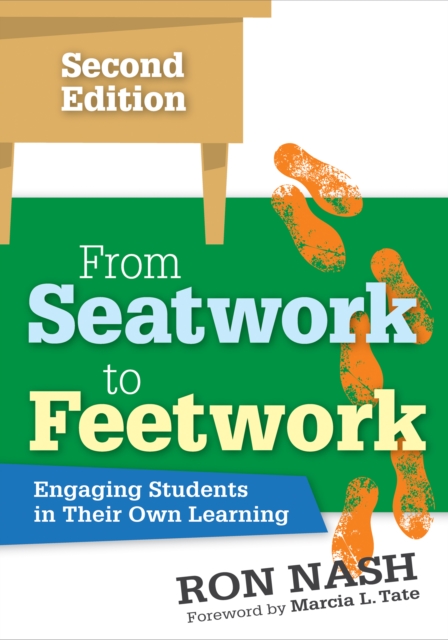
From Seatwork to Feetwork
• Expands on the role of exercise in learning and brain development. • Includes classroom examples at both the elementary and secondary levels. • Includes specific references to the Speaking and Listening Skills section of the CCSS. • Discusses John Hattie's research
eBook
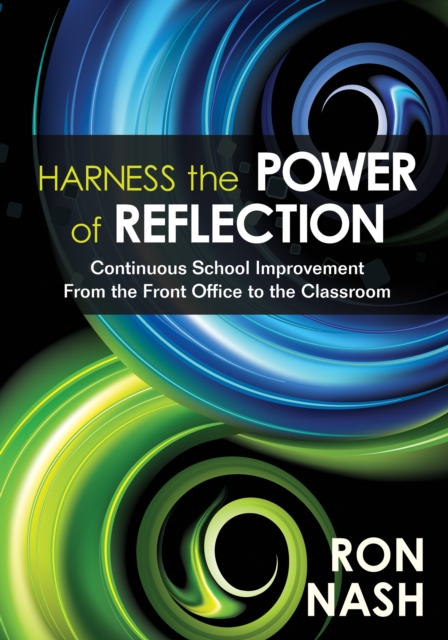
Harness the power of reflection
\"Harness the Power of Reflections aims to get students engaged and passionate about their own learning by first getting teachers and administrators involved in a continuous-improvement professional development program. Going beyond the classroom and into the offices of school personnel, this book stresses the importance of each educator's own continuous-improvement journey as a means of best serving the needs of students. This book provides a framework for evaluating a school organization and processes a school can implement in order to foster organizational dedication to ongoing, schoolwide improvement\"-- Provided by publisher.
eBook
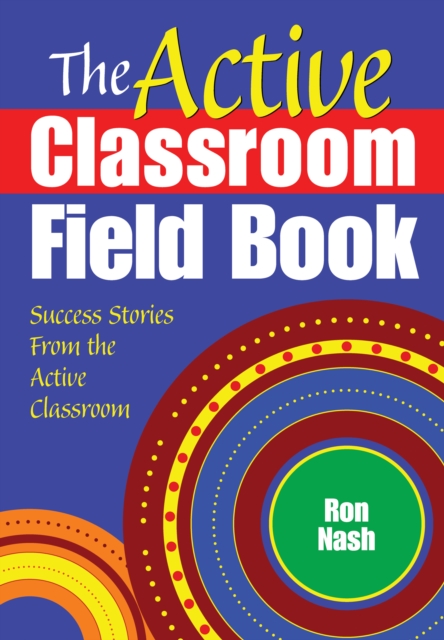
The active classroom field book
Expanding on the strategies in The Active Classroom, the author shares the stories of teachers who have successfully implemented active teaching methods in their classrooms to engage students in learning.
eBook
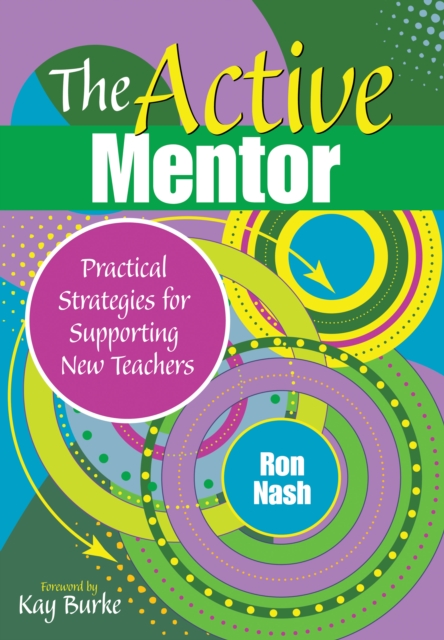
The active mentor
Ron Nash's The Active Mentor: Practical Strategies for Supporting New Teachers builds on his previous two books, The Active Classroom: Practical Strategies for Involving Students in the Learning Process and The Active Teacher: Practical Strategies for Maximizing Teacher Effectiveness. This latest resource demonstrates how county, school, and teacher leaders can build effective, active teacher mentoring programmes for new teachers. As an internationally known teaching coach, Nash builds on his teacher training expertise to show how teacher mentoring-when done well-holds promise for fostering teacher retention and increasing the effectiveness and satisfaction of new teachers. This book goes beyond topics commonly found in coaching and mentoring books to stress the importance of training new teachers to employ the active classroom principles that ensure student engagement and achievement.
eBook
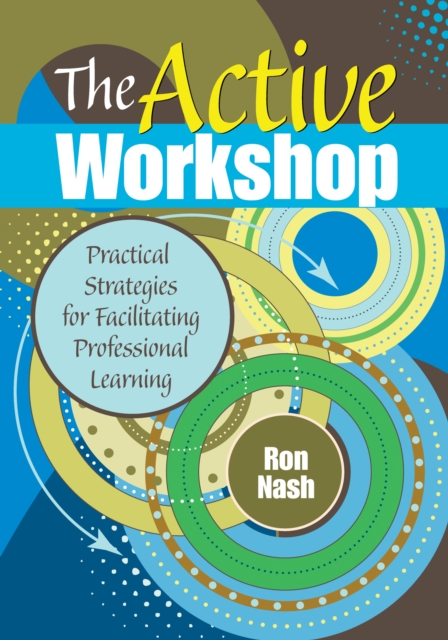
The active workshop
Today's students learn best by doing-as do most of us. The Active Workshop is designed for educators who need to \"show\" rather than \"tell\" in creating highly interactive workshops. Packed with anecdotes, brain-compatible strategies, and checklists, the book provides practical tools for engaging participants to talk, reflect, brainstorm, and stretch beyond their comfort zones. Highlights include: - Techniques for shifting 80% of the workshop's workload to participants - Keys to enhancing retention with storytelling and laughter - Methods for analyzing and evaluating your presentations for ongoing improvement - Tips for extending learning beyond the workshop The Active Workshop is ideal for seminar trainers, seminar facilitators, headteachers, and teacher leaders-anyone who works with primary, secondary and further education educators in a training capacity.
eBook
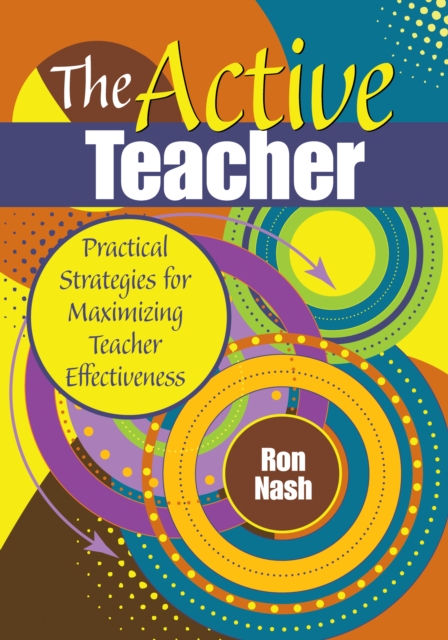
The active teacher
'Ron Nash brings the voice of reason and sanity to the field of education. With his clear, big-picture vision and his emphasis on routines, rules, and relationships, these practical and well-written ideas will help new teachers and veterans alike build connections with students and fellow staff members, keep their students engaged and involved in their own learning, and help them maintain their passion for teaching' - Jane Bluestein, Educational Consultant, Author, The Win-Win Classroom Engaging and inspiring students is central to effective teaching, but it can also be a teacher's greatest challenge. Written by nationally known teacher coach Ron Nash, this thought-provoking book shows how educators can build a partnership with their students and bring their teaching skills to a new level of excellence. Drawing on his 30 years' experience in teaching and staff development, Nash outlines a holistic approach to effective teaching, based on skillful planning and proven techniques for classroom management and facilitation. Emphasizing the 'three Rs' - routines, rules, and relationships - Nash helps teachers lead students in a clear, consistent manner that wins their trust and develops their personal responsibility. Readers will find guidance on: - Creating and sustaining a classroom community that promotes respect and achievement - Fully involving students in learning while addressing a wide range of cognitive styles - Collaborating with students, colleagues, and parents - Using feedback and assessment to develop professionally and improve students' academic performance
eBook
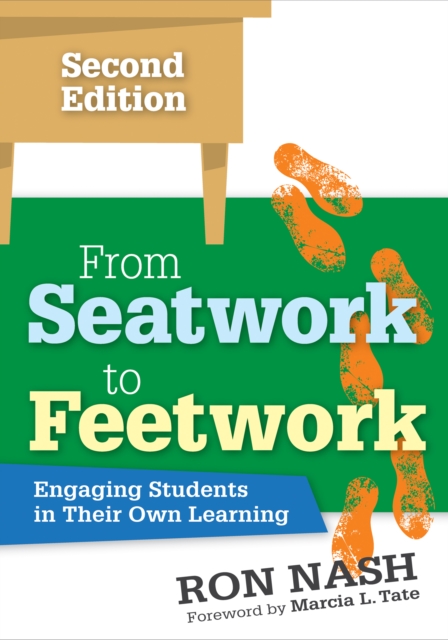
From seatwork to feetwork: shifting the classroom workload from teachers to students
Learning is not a spectator sport. That's the guiding principle behind Ron Nash's bestseller, which has helped thousands of teachers transform their classroom environments by energizing and engaging their students. In the newly revised edition, Nash offers proven strategies that involve students as active participants in their own learning. Teachers of all levels will benefit from The latest research on exercise, learning, and brain development New chapters on the value of empathy and the use of feedback versus praise Additional material on maximizing the use of classroom time and supporting speakers and listeners Even more classroom examples at both the elementary and secondary levels Novel teaching strategies that align with the Speaking and Listening Skills requirements of the Common Core State Standards
eBook