
Catalogue Search | MBRL


Are you sure you want to remove the book from the shelf?

{{itemTitle}}
88
result(s) for
"Nietzsche, Friedrich Wilhelm"
Sort by:

ديوان نيتشه
جيرد نيتشه في هذا الديوان تجربته الشعرية الفريدة تتراوح نصوصه بين قصائد الشباب الرومانسية وشذرات ناضجة ومتشائمة إلى أناشيد ديونيزوس التي تعبر عن التمرد والفردانية. يجدد أسلوبه الشعري عبر إيقاع داخلي وعبارات قوية، مستخدما رموزا مثل زرادشت والنسر والأسد لتمثيل عملية العبور نحو الذات والتأكيد على القوة، كما في قصائد الأمل والتحول. يكشف النص عن جانبه الفني والوجداني، موحدا بين الفلسفة والجمال، مستعرضا مراحل الإبداع، القوة، المعاناة، ثم الخلاص في إطلالة شاعرية تمثل فلسفته وتجربته العاطفية.
BOOK

Dawn of Day
When Nietzsche called his book The Dawn of Day, he was far from giving it a merely fanciful title to attract the attention of that large section of the public which judges books by their titles rather than by their contents. The Dawn of Day represents, figuratively, the dawn of Nietzsche's own philosophy. Hitherto he had been considerably influenced in his outlook, if not in his actual thoughts, by Schopenhauer, Wagner, and perhaps also Comte. Human, all-too-Human, belongs to a period of transition. After his rupture with Bayreuth, Nietzsche is, in both parts of that work, trying to stand on his own legs, and to regain his spiritual freedom; he is feeling his way to his own philosophy. The Dawn of Day, written in 1881 under the invigorating influence of a Genoese spring, is the dawn of this new Nietzsche. \"With this book I open my campaign against morality,\" he himself said later in his autobiography, the Ecce Homo.
eBook
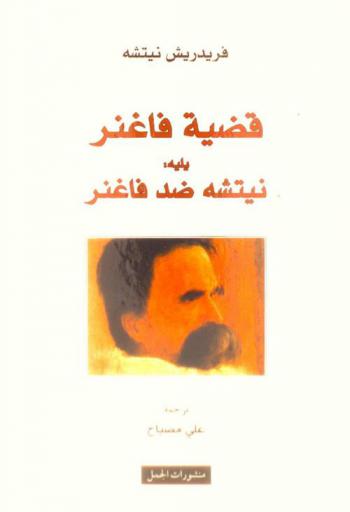
قضية فاغنر ؛ يليه نيتشه ضد فاغنر
وصف الفيلسوف الألماني فريدريك نيتشه الموسيقار ريتشارد فاغنر باعتباره الأمل والمخلص والمستقبل فيما يخص الموسيقى وفي عام 1888 أي بعد عشرين عاما من كتابه الأول ومن صداقته الوطيدة بفاغنر أيضا دشن نيتشة نهاية صداقته بفاغنر وهي نهاية لا تقل ملحمية عن صداقتهما حين أفرد كتابا كاملا لانتقاد موسيقى فاغنر وأسماه قضية فاغنر واصفا صديقه القديم باعتباره تجسيدا حيا للمرض يمتص كل مظاهر الحياة من الموسيقى الألمانية ويحمل الراية بدأب نحو الانحطاط الثقافي الذي رآه نيتشة متفشيا في المجتمع المعاصر.
BOOK

Ecce Homo -- How One Becomes What One Is & The Antichrist -- A Curse on Christianity
For some, the question remains: Why Nietzsche? Friedrich Nietzsche (1844-1900) was quite simply one of the most original and influential philosophers who ever lived; in addition, his writing style was brilliant, epigrammatic, idiosyncratic [\"It is my ambi.
eBook

الفجر
كتاب الفجر ليس في حقيقته كتابا سرديا كما اعتادت الكتب أن تكون، بل إنه ينتمي، شكلا، وربما مضمونا أيضا إلى معظم كتب نيتشه السابقة واللاحقة، في تألفه من 575 فقرة تتفاوت طولا وكثافة، يحاول الكاتب أن يعبر من خلالها عن مواقفه من الاخلاق، من الإنسان ومن الحياة. ولابد من الإشارة هنا إلى أن للكتاب عنوانا ثانويا هو تأملات حول الأفكار الأخلاقية المسبقة) أو الأحكام المسبقة. وعلى هذا النحو، بدءا من هذا العنوان يتضح لنا كيف أن نيتشه يضعنا مباشرة في قلب السجال الذي كان يهمه في ذلك الحين، ذلك أن العنوان-حتى وإن تغاضى كثر عن ذلك-يشير مباشرة إلى الأحكام المسبقة لا إلى الأخلاق في شكلها القيمي السلوكي. وهكذا لم يفت كبار شارحي نيتشه ومكملى عمله أن يشيروا بوضوح إلى أن هذا الكتاب على رغم أنه يبدأ الحملة التي خاضها نيتشه ضد أخلاقية المجتمع، لا يشن أي هجوم على الأخلاق نفسها ولا يرفضها. كل ما في الأمر أنه يدعو فيه إلى نوع من نقل الأخلاقية من أسس إلى أخرى وبالتالي الانتقال إلى أخلاق جديدة، وقيم جديدة، تنبع من الإنسان وتصب لديه.
Book

Human, All Too Human
German scholar and thinker Friedrich Nietzsche began his career as a linguist and philologist, but over time, his work became increasingly philosophical in its scope. He came to embrace a radical point of view that prized personal freedom and choice over virtually everything else. In
eBook
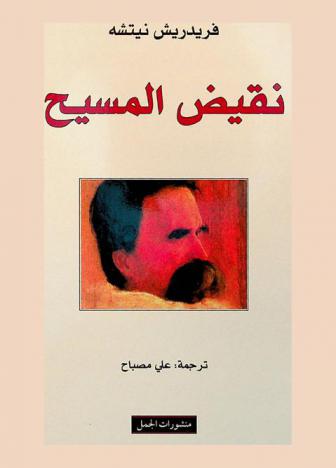
نقيض المسيح : مقال اللعنة على المسيحية
هذا الكتاب لقلة فقط من الناس وربما لم يولد أحد من هؤلاء القلة بعد قد يكونوا أيضاً من أولئك الذين استطاعوا أن يفهموا زرادشتى وكيف لى أن أخلط بينى وبين أولئك الذين تهيأ لهم منذ الآن آذان صاغية ؟ بعد غد فقط هو زمنى، فمن الناس من لا يولد إلا بعد الممات.
Book

Homer and Classical Philology
Although he later rose to prominence as an innovative and controversial philosopher whose ideas influenced everyone from existentialist thinkers to the Nazi movement, Friedrich Nietzsche was trained in philology and published his earliest works on that topic. This essay takes a look at the use of mythology and language in the ancient Greek poet's most important works,
eBook

غسق الأوثان، أو، كيف نتعاطى الفلسفة قرعا بالمطرقة
كتاب غسق الأوثان للمؤلف فريدريك نيتشه قدم لنشر أعمال نيتشه ذو القيمة العلمية العليا حيث يتناول هذا الكتاب حقيقة تقول بأن الرجال الذين سيولدون بعد الممات سيسوء فهمهم أكثر من المطابقين لعصرهم لكنه سيستمع إليهم بصفة أفضل ولنقلها بأكثر صرامة لن يكتب لنا أن نفهم البتة من هنا تكون سلطتنا للتعمق في تلك الحقيقة يمكن قراءة الكتاب بذهن متفتح وحس متعمق.
BOOK

Peacock and the Buffalo
The Peacock and the Buffalo presents the first complete English translation of the poetry of the celebrated and hugely influential German thinker, Friedrich Nietzsche (1844-1900).From his first poems, written at the age of fourteen, to his last extant writings, this definitive bi-lingual edition includes all his 275 poems and aphorisms.
eBook