
Catalogue Search | MBRL


Are you sure you want to remove the book from the shelf?

{{itemTitle}}
340
result(s) for
"Okun, L"
Sort by:

Poor sleep quality increases symptoms of depression and anxiety in postpartum women
This study evaluated the relationship between sleep quality and symptoms of depression and anxiety in women studied in pregnancy and postpartum. Scores on standardized measures of sleep (PSQI) at 6 months postpartum, and symptoms of anxiety and depression (OASIS, the PHQ9, and EPDS) were assessed by structured interviews in 116 women in pregnancy and/or postpartum. Poor sleep quality was significantly associated with greater symptoms of depression and anxiety. Women who had significantly higher OASIS (anxiety) scores (β = .530, p < .001), PHQ9 (depression) scores (β = .496, p < .001), and EPDS (postpartum depression and anxiety) scores (β = .585, p < .001) also had elevated total PSQI scores after adjustment for covariates, including prenatal depression and anxiety scores. Though inferences about causality are not feasible, these results support emerging research showing sleep quality is a risk factor for negative maternal affect in the postpartum period. Assessment of maternal sleep hygiene is worth consideration as a component of identifying women at risk for postpartum depression and anxiety.
Journal Article
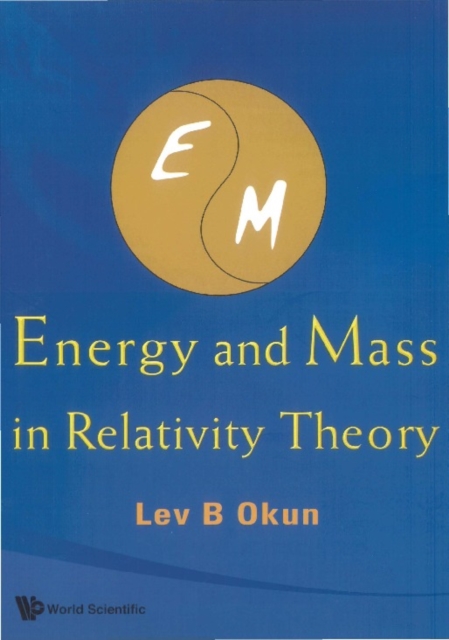
Energy and mass in relativity theory
Energy and Mass in Relativity Theory presents about 30 pedagogical papers published by the author over the last 20 years. They deal with concepts central to relativity theory: energy E, rest energy E0, momentum p, mass m, velocity v of particles of matter, including massless photons for which v = c. Other related subjects are also discussed.
eBook

Disturbed Sleep and Postpartum Depression
The perinatal period introduces a myriad of changes. One important but often overlooked change is an increased reporting of sleep disturbance. Although casually regarded as a consequence of pregnancy or postpartum, there is emerging evidence implicating significant sleep disturbance, characterized by insomnia symptoms and/or poor sleep quality, with adverse outcomes, such as an increase in depressive symptomatology or the development postpartum depression (PPD). Significant consequences may arise as a result including issues with maternal-infant bonding, effective care for the infant, and behavioral or emotional difficulties in the infant. This review discusses the relevant literature as to how disturbed sleep during pregnancy as well as in the postpartum may increase the risk for PPD.
Journal Article

Effects of Using a Smart Bassinet on the Mental Health of Military-Affiliated Pregnant Women: Protocol for a Randomized Controlled Sleep Health and Mood in Newly Expectant Military Mothers (SHINE) Trial
Postpartum mood and anxiety disorders (PMADs) are higher among pregnant military service women (26%) and military spouses (12.2%) compared to the civilian population (10%-15%). This is partly due to military-specific factors, including deployment, which are known to increase risk. Important risk factors for PMADs include sleep disturbances, defined as sleep deprivation, insomnia, or poor sleep quality, which are more are common among military-affiliated pregnant women.
This study describes a protocol for a new randomized controlled trial that aims to ameliorate the risk for PMADs through improving infant sleep or maternal sleep during the first 6 postdelivery months in a sample of military-affiliated women.
This study is a 6-month, parallel-arm, randomized controlled trial. Pregnant women (N=342) in the third trimester will be randomized at 1:1 ratio to use a smart bassinet (SB) or a standard commercially available bassinet (HALO BassiNest Swivel Sleeper 3.0; traditional bassinet [TB]) for up to 6 months after delivery. Participants will have their infants sleep in the bassinet, complete monthly web-based questionnaires, and record sleep data with diary and actigraphy for both the participants and their infants for 1 week each postpartum month. Blood samples will also be collected at baseline (late pregnancy) and at 3 months and 6 months post partum to assess immune functioning. The primary outcomes for this study will be postpartum mood (depressive and anxiety symptoms) and infant and maternal sleep. In addition, we are evaluating whether SB has a significant impact on immune functioning-a marker that physiologically connects sleep and mood symptoms.
Recruitment for this study began in January 2025. Six separate mixed 2 (treatment vs control) × 6 (assessment period) multivariate analysis of variance and analysis of variance models will be conducted to test the hypotheses that SB will have a greater impact on infant and maternal sleep than TB, SB will be associated with a greater reduction in postpartum mood symptoms than TB, and immune system function will be less dysregulated in birthing individuals using SB compared to those using TB. Lastly, we will evaluate whether the elevated risk demonstrated by previously identified postpartum depression epigenetic biomarkers in the TTC9B and HP1BP3 genes can be modified with an SB. We hypothesize that the elevated risk will be reduced in SB compared to that in TB.
At the conclusion of this project, we will have gained a thorough understanding of the capability of SB to positively affect infant and maternal sleep compared to the traditional sleep arrangement and its impact on maternal mood through 6 months post partum in military-affiliated women. The promotion of sleep health in both mothers and infants may be an accessible and amenable method to prevent PMADs.
ClinicalTrials.gov NCT06544941; https://clinicaltrials.gov/study/NCT06544941.
PRR1-10.2196/66439.
Journal Article

Minimal Effect of Daytime Napping Behavior on Nocturnal Sleep in Pregnant Women
Study Objectives:
To assess whether daytime naps negatively impact nocturnal sleep.
Design:
Longitudinal, prospective cohort design.
Participants:
161 pregnant women recruited and evaluated in early gestation (10–20 weeks).
Measurements and Results:
Daily sleep information was collected in three 2-week periods (10–12, 14–16, and 18–20 weeks gestation) with a daily sleep diary and an actigraph. The average number of naps, as well as the average length of each nap, were calculated from sleep diaries. Women were categorized first as non nappers (0 naps/2-week period), moderate nappers (1–3 naps/2-week period), or frequent nappers (≥ 4 naps/2-week period). Then, based on the average nap length, they were categorized as short (< 90 min) or long (≥ 90 min) nappers. Nocturnal sleep parameters included SOL, WASO, SE, and TST. SAS procedure MIXED was used for modeling the main effects of nap group and time, and time by nap group interactions. Women who took naps had a decrease in diary-assessed nocturnal TST, but not actigraphy-assessed TST. This observation was group- and time-specific. There were no other group differences. Women who napped ≥ 90 min had poorer diary-assessed SE and lower diary-assessed TST than those who took shorter naps. Length of nap was not associated with any other sleep measures.
Conclusions:
The number of daytime naps have minimal impact on nocturnal sleep parameters; however, long nappers did exhibit modestly impaired sleep continuity and sleep quality. Overall, we propose that daytime naps provide a beneficial countermeasure to the sleep disruption commonly reported by pregnant women. This may be clinically beneficial given that sleep continuity and quality are important correlates of pregnancy outcomes.
Commentary:
A commentary on this article appears in this issue on page 593.
Citation:
Ebert RM, Wood A, Okun ML. Minimal effect of daytime napping behavior on nocturnal sleep in pregnant women.
J Clin Sleep Med
2015;11(6):635–643.
Journal Article
Psychometric Evaluation of the Insomnia Symptom Questionnaire: a Self-report Measure to Identify Chronic Insomnia
Study Objectives:
The objective was to psychometrically evaluate the Insomnia Symptom Questionnaire (ISQ), a self-report instrument designed to establish a clinically relevant case definition of insomnia consistent with widely used insomnia classification criteria, using methods from classical test theory and item response theory (IRT).
Methods:
The ISQ was evaluated using IRT algorithms in a cohort of 362 pre-, peri- and post-menopausal women recruited for the SWAN (Study of Women’s Health Across the Nation) Sleep Study. This yielded a dichotomous outcome consistent with the presence/absence of insomnia. The internal consistency and criterion validity of the dichotomized ISQ were compared to traditional measures of sleep from sleep diaries, polysomnography, and the Pittsburgh Sleep Quality Index using kappa statistics, and indices of sensitivity, specificity, positive and negative predictive value (PPV), and likelihood ratio tests (LRs).
Results:
The ISQ identified 9.8% of the sample as meeting insomnia, consistent with established diagnostic criteria. Reliability was established with Cronbach α (α = 0.89). The ISQ had high specificity (> 90%), but sensitivity, PPV, NPV, and LRs varied according to which sleep measure was used. Concurrent validity was not confirmed with any of the traditional sleep summary measures (kappas < 0.30).
Conclusions:
The ISQ captures the multidimensionality of insomnia better than traditional sleep measures as it ascertains symptoms of insomnia that are based on DSM-IV and RDC criteria. The high specificities suggest that the ISQ has a high probability of correctly identifying those without insomnia and would be a cost-effective tool in large observational studies in which the prevalence of insomnia is likely to be about 10%. Further evaluation of the ISQ, including validation against clinical interviews, is warranted.
Citation:
Okun ML; Kravitz HM; Sowers MF; Moul DE; Buysse DJ; Hall M. Psychometric evaluation of the insomnia symptom questionnaire: a self-report measure to identify chronic insomnia.
J Clin Sleep Med 2009
;5(1):41–51.
Journal Article

ABC of physics
This little book concentrates on the foundations of modern physics (its \"ABC's\") and its most fundamental constants: c — the velocity of light and ℏ — the quantum of action. First of all, the book is addressed to professional physicists, but in order to achieve maximal concentration and clarity it uses the simplest (high school) mathematics. As a result many pages of the book will be useful to college students and may appeal to a more general audience.
eBook

Psychosocial impacts, preventive behaviours, and concerns associated with the COVID-19 pandemic for pregnant and non-pregnant women: A matched analysis from the International iCARE Study
Background: The COVID-19 pandemic negatively affected physical and psychological health worldwide. Pregnant women were likely more vulnerable to mental health difficulties due to the significant social, psychological, and hormonal changes they experience. During the pandemic, higher rates of antenatal depression and anxiety were observed compared to pre-pandemic rates. Increased mental health symptoms in pregnancy have been associated with adverse outcomes for child development. Understanding pandemic-specific preventive behaviours (i.e., mask use, physical distancing) and concerns may also be linked to maternal psychological well-being.Purpose: To compare matched pregnant and non-pregnant women (N = 474) to assess COVID-19 psychosocial impacts, preventive behaviours, and concerns.Methods: This study used a matched analysis of data collected by the International COVID-19 Awareness and Responses Evaluation (iCARE) Study. Participants were matched on several demographic factors and analyses were adjusted for chronic illness and psychiatric disorder.Results: Linear regression analyses indicated that pregnant women did not significantly differ from matched non-pregnant women for psychosocial impacts (B = 0.11, SE = 0.08, p = 0.178). Those who reported a chronic illness (B=-0.19, SE = 0.09, p = 0.036) or a psychiatric disorder (B=-0.28, SE = 0.09, p = 0.003) were more likely to report more significant psychosocial impacts. Logistic regression analyses indicated that pregnant women were more likely to report staying at home rather than going to work (OR = 2.01, 95% CI 1.31–3.08, p = 0.002) and being concerned about being infected (OR = 1.61, 95% CI 1.05–2.46, p = 0.028).Conclusions: Our findings in the context of the COVID-19 pandemic highlight the need to consider interventions targeting women, with chronic illnesses or psychiatric disorders, as they are often the most vulnerable.
Journal Article

Sleep Disturbance in Early Pregnancy, but Not Inflammatory Cytokines, May Increase Risk for Adverse Pregnancy Outcomes
BackgroundIt is unclear whether subjective or objective measures of sleep during pregnancy are more pertinent to pregnancy outcomes. Moreover, it is unclear as to whether subjective indices (i.e., those likely influenced by psychological thoughts and emotions) are more likely than objective measures to modify inflammatory cytokines.MethodSubjective and objective measures of sleep were collected from 166 pregnant women. Sleep data, both aggregate and variability measures, from diary and actigraphy, were ascertained for three 2-week periods during early gestation (10–20 weeks). A fasting morning blood sample was assayed for the cytokines (IL-6, IFN-γ, and TNF-α). Sleep, stress, and depression questionnaires were also collected. Repeated measures ANOVAs, regression models, and independent t tests were used to analyze the data.ResultsDiary-assessed total sleep time (p < .05) and actigraphy-assessed sleep latency (p = .05) were negatively associated with gestational age. Variability in actigraphy-assessed sleep latency (p < .01) was negatively associated with infant weight. None of the cytokines was associated with any of the outcomes. t tests revealed that those with a complication were older (p < .05) and had higher pre-pregnancy BMI (p < .05), higher self-reported stress (p < .05), and lower IFN-γ (p < .05).ConclusionFindings suggest that longer and more variable sleep latency, as well as shorter sleep duration, is associated with shorter gestational age or a lower birth weight infant. Overall, the findings suggest that among a low-risk, healthy sample of pregnant women, sleep disturbance does not pose a substantial risk for adverse delivery outcomes.
Journal Article

Brief Behavioral Interventions for Insomnia
Purpose of Review
For decades, cognitive behavioral treatment for insomnia (CBTI) has been successfully used to treat insomnia. The number of available providers remains insufficient for the 10–25% of the population who have insomnia. Brief behavioral treatment for insomnia (BBTI) is a 4-session manualized treatment paradigm administrable in medical settings by nonpsychologist health professionals.
Recent Findings
The effectiveness of BBTI in reducing symptoms of insomnia has been observed in a wide array of populations, such as older adults, people with depression, and military veterans. Recent technological advances have taken advantage of the easy and acceptable delivery of BBTI in order to reach more individuals. Delivery is done via telehealth, within primary care clinics, and myriad smart phone apps. BBTI is a viable option to treat people with insomnia on a broad scale.
Summary
Current evidence supports BBTI as an effective mid-level intervention in the context of a stepped care model ranging from self-help to individual CBTI provided by behavioral sleep medicine trained psychologist.
Journal Article