
Catalogue Search | MBRL


Are you sure you want to remove the book from the shelf?

{{itemTitle}}
62
result(s) for
"Oschema, Klaus"
Sort by:

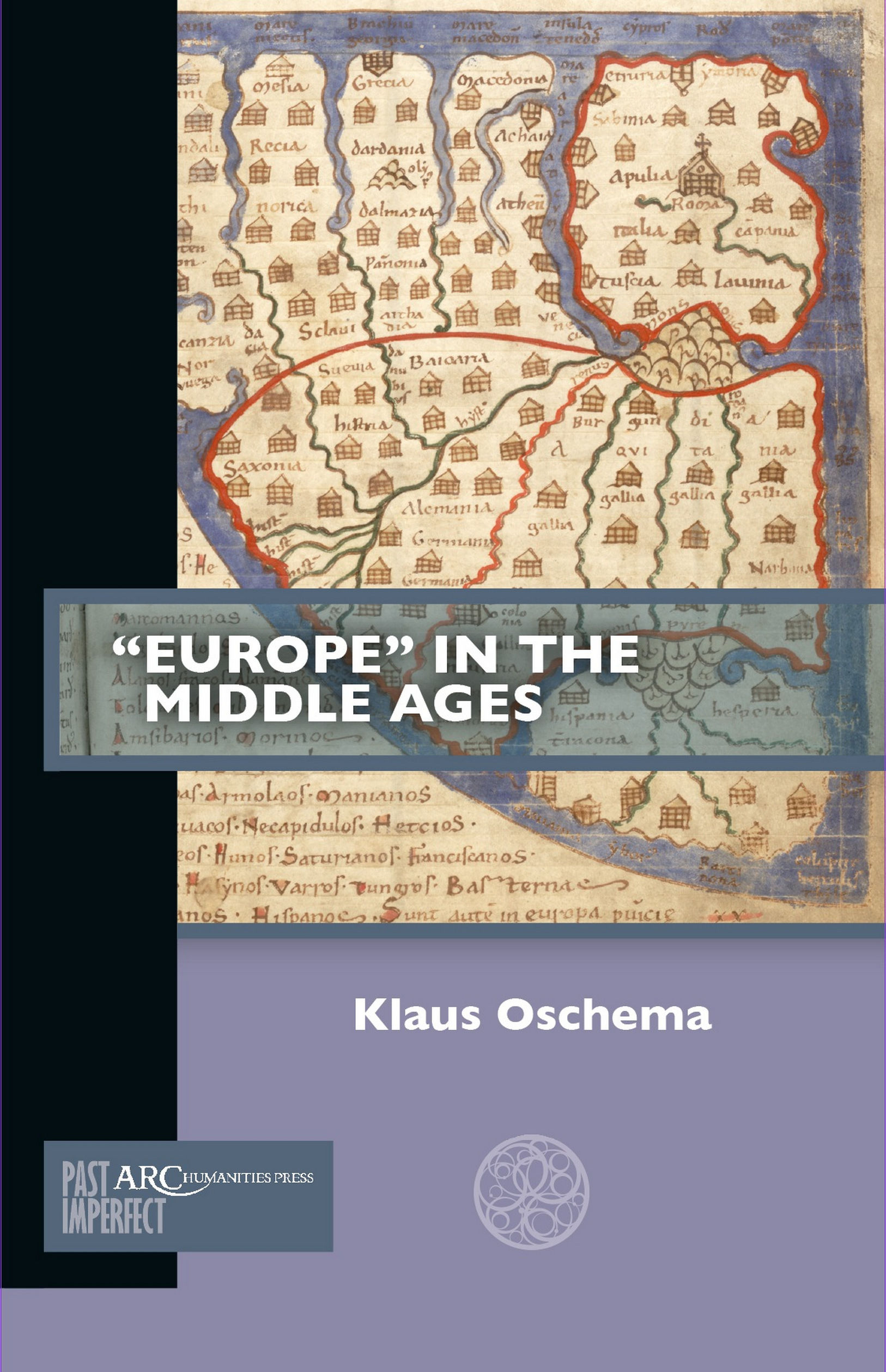
Europe\ in the Middle Ages
From the nineteenth century onwards, historians described the Middle Ages as the 'cradle' of the nation state-then, after World War II, they increasingly identified the period as the 'cradle' of Europe. A close look at the sources demonstrates that both interpretations are misleading: while 'Europe' was not a rare word, its use simply does not follow modern expectations. This volume contrasts modern historians' constructions of 'Europe in the Middle Ages' with a fresh analysis of the medieval sources and discourses. The results force us to recognize that medieval ideas of ordering the world differ from modern expectations, thereby inviting us to reflect upon the use and limits of history in contemporary political discourse.
eBook


Les études médiévales après le tournant global
Cette contribution cherche à évaluer l’influence du « tournant global » sur les études médiévales, et notamment sur le Moyen Âge européen. Développer des perspectives globales pour la période prémoderne constitue un véritable défi. Tout d’abord, la notion même de « Moyen Âge » est un concept eurocentrique dont application à des contextes non européens peut être critiquée. Ensuite, si l’observation de contacts et de réseaux d’échanges de grande envergure a ouvert de considérables voies de recherche en histoire prémoderne, l’importance quantitative de ces contacts reste difficile à évaluer. Enfin, il existe une tension permanente entre différentes visions de la fonction de l’histoire (médiévale) dans la société. Malgré ces problèmes, les récentes contributions au « Moyen Âge global » ont ouvert de nouvelles approches à des phénomènes qui sont tout aussi pertinents pour les études médiévales européennes. Si le tournant global ne remodèle pas entièrement l’histoire de l’Europe médiévale, il ajoute certainement des nuances importantes et de nouvelles perspectives à de nombreux sujets qui non seulement résonnent avec les intérêts actuels, mais ont longtemps été une préoccupation de l’histoire médiévale européenne, comme la migration, le commerce et la religion. En dépit des difficultés et des défis (méthodologiques, linguistiques, etc.) qu’il pose, le tournant global a le potentiel de contribuer au développement de nouvelles approches thématiques ainsi que de nouvelles formes de coopération dans le domaine des études médiévales. This contribution seeks to evaluate the influence of the “global turn” on medieval studies, with an accent on the European Middle Ages. Developing global perspectives for the premodern period constitutes a real challenge. First, the very notion of the “Middle Ages” is a Eurocentric concept and its application in non-European contexts can be criticized. Second, while the observation of far-ranging contacts and networks of exchange has opened important avenues for research in premodern history, the quantitative significance of those contacts remains difficult to evaluate. Third, there is an ongoing tension between different visions of (medieval) history’s function in society. Despite these problems, recent contributions to the “global Middle Ages” have opened up new approaches to phenomena that are equally pertinent for European medieval studies. While the global turn might not entirely reshape the history of medieval Europe, it certainly adds important layers and new perspectives to subjects that not only resonate with contemporary interests but have long been a concern of European medieval history, such as migration, commerce, and religion. In spite of the difficulties and challenges (methodological, linguistic, etc.) that it poses, the global turn has the potential to contribute to the development of new thematic approaches and new forms of cooperation in the field of medieval studies.
Journal Article

Les études médiévales après le tournant global
Cette contribution cherche à évaluer l’influence du « tournant global » sur les études médiévales, et notamment sur le Moyen Âge européen. Développer des perspectives globales pour la période prémoderne constitue un véritable défi. Tout d’abord, la notion même de « Moyen Âge » est un concept eurocentrique dont application à des contextes non européens peut être critiquée. Ensuite, si l’observation de contacts et de réseaux d’échanges de grande envergure a ouvert de considérables voies de recherche en histoire prémoderne, l’importance quantitative de ces contacts reste difficile à évaluer. Enfin, il existe une tension permanente entre différentes visions de la fonction de l’histoire (médiévale) dans la société. Malgré ces problèmes, les récentes contributions au « Moyen Âge global » ont ouvert de nouvelles approches à des phénomènes qui sont tout aussi pertinents pour les études médiévales européennes. Si le tournant global ne remodèle pas entièrement l’histoire de l’Europe médiévale, il ajoute certainement des nuances importantes et de nouvelles perspectives à de nombreux sujets qui non seulement résonnent avec les intérêts actuels, mais ont longtemps été une préoccupation de l’histoire médiévale européenne, comme la migration, le commerce et la religion. En dépit des difficultés et des défis (méthodologiques, linguistiques, etc.) qu’il pose, le tournant global a le potentiel de contribuer au développement de nouvelles approches thématiques ainsi que de nouvelles formes de coopération dans le domaine des études médiévales. This contribution seeks to evaluate the influence of the “global turn” on medieval studies, with an accent on the European Middle Ages. Developing global perspectives for the premodern period constitutes a real challenge. First, the very notion of the “Middle Ages” is a Eurocentric concept and its application in non-European contexts can be criticized. Second, while the observation of far-ranging contacts and networks of exchange has opened important avenues for research in premodern history, the quantitative significance of those contacts remains difficult to evaluate. Third, there is an ongoing tension between different visions of (medieval) history’s function in society. Despite these problems, recent contributions to the “global Middle Ages” have opened up new approaches to phenomena that are equally pertinent for European medieval studies. While the global turn might not entirely reshape the history of medieval Europe, it certainly adds important layers and new perspectives to subjects that not only resonate with contemporary interests but have long been a concern of European medieval history, such as migration, commerce, and religion. In spite of the difficulties and challenges (methodological, linguistic, etc.) that it poses, the global turn has the potential to contribute to the development of new thematic approaches and new forms of cooperation in the field of medieval studies.
Journal Article

Reviews
Overcoming the Trauma of Modernity? K. Patrick Fazioli, The Mirror of the Medieval: An Anthropology of the Western Historical Imagination (New York: Berghahn Books, 2017), ix + 195 pp. KLAUS OSCHEMA Transformations in Time and Space: Diaspora Stéphane Dufoix, The Dispersion: A History of the Word Diaspora (Leiden: Brill, 2017), 589 pp. METTE THUNØ Closing the Empathy Deficit in Philosophy and History Derek Matravers, Empathy (Malden, MA: Polity, 2017), 166 pp. EVAN KUEHN Links and Limits between Political Theory and Conceptual History Iain Hampsher-Monk, Concepts and Reason in Political Theory (Colchester, UK: ECPR Press, 2015), 254 pp. BLAKE EWING
Journal Article
Reviews
Overcoming the Trauma of Modernity? K. Patrick Fazioli, The Mirror of the Medieval: An Anthropology of the Western Historical Imagination (New York: Berghahn Books, 2017), ix + 195 pp. KLAUS OSCHEMATransformations in Time and Space: Diaspora Stéphane Dufoix, The Dispersion: A History of the Word Diaspora (Leiden: Brill, 2017), 589 pp. METTE THUNØClosing the Empathy Deficit in Philosophy and History Derek Matravers, Empathy (Malden, MA: Polity, 2017), 166 pp. EVAN KUEHNLinks and Limits between Political Theory and Conceptual History Iain Hampsher-Monk, Concepts and Reason in Political Theory (Colchester, UK: ECPR Press, 2015), 254 pp. BLAKE EWING
Journal Article