
Catalogue Search | MBRL


Are you sure you want to remove the book from the shelf?

{{itemTitle}}
12
result(s) for
"Ovid, 43 B.C.-17 A.D. or 18 A.D.. author"
Sort by:

Ovid on cosmetics : Medicamina faciei femineae and related texts
\"The Medicamina Faciei Femineae is a didactic elegy that showcases an early example of Ovid's trademark combination of poetic instruction and trivial subject matter. Exploring female beauty and cosmeceuticals, with particular emphasis on the concept of cultus, the poem presents five practical recipes for treatments for Roman women. Covering both didactic parody and pharmacological reality, this deceptively complex poem possesses wit and vivacity and provides an important insight into Roman social mores and day-to-day activities. The first full study in English devoted to this little-researched but multi-faceted poem, Ovid on Cosmetics includes an introduction that situates the poem within its literary heritage of didactic and elegiac poetry, its place in Ovid's oeuvre and its relevance to social values, personal aesthetics and attitudes to female beauty in Roman society. The Latin text is presented on parallel pages alongside a new translation, and all Latin words and phrases are translated for the non-specialist reader. Detailed commentary notes elucidate the text and individual phrases still further. Ovid on Cosmetics presents and explicates this witty, subversive yet significant poem. Its attention to the technicalities of cosmeceuticals and cosmetics, including detailed analyses of individual ingredients and the effects of specific creams and makeup, make this work a significant contribution to the beauty industry in antiquity\"-- Provided by publisher.
BOOK

The Offense of Love
Ovid's
Art of Love (
Ars Amatoria ) and its sequel
Remedies for Love (
Remedia Amoris ) are among the most notorious poems of the ancient world. In AD 8, the emperor Augustus exiled Ovid to the shores of the Black Sea for \"a poem and a mistake.\" Whatever the mistake may have been, the poem was certainly the
Ars Amatoria , which the emperor found a bit too immoral. In exile, Ovid composed
Sad Things (
Tristia ), which included a defense of his life and work as brilliant and cheeky as his controversial love manuals. In a poem addressed to Augustus (
Tristia 2), he argues, \"Since all of life and literature is one long, steamy sex story, why single poor Ovid out?\" While seemingly groveling at the emperor's feet, he creates an image of Augustus as capricious tyrant and himself as suffering artist that wins over every reader (except the one to whom it was addressed). Bringing together translations of the
Ars Amatoria ,
Remedia Amoris , and
Tristia 2, Julia Dyson Hejduk's
The Offense of Love is the first book to include both the offense and the defense of Ovid's amatory work in a single volume. Hejduk's elegant and accurate translations, helpful notes, and comprehensive introduction will guide readers through Ovid's wickedly witty poetic tour of the literature, mythology, topography, religion, politics, and (of course) sexuality of ancient Rome. Finalist, National Translation Award, American Literary Translators Association A Choice Outstanding Academic Book
eBook
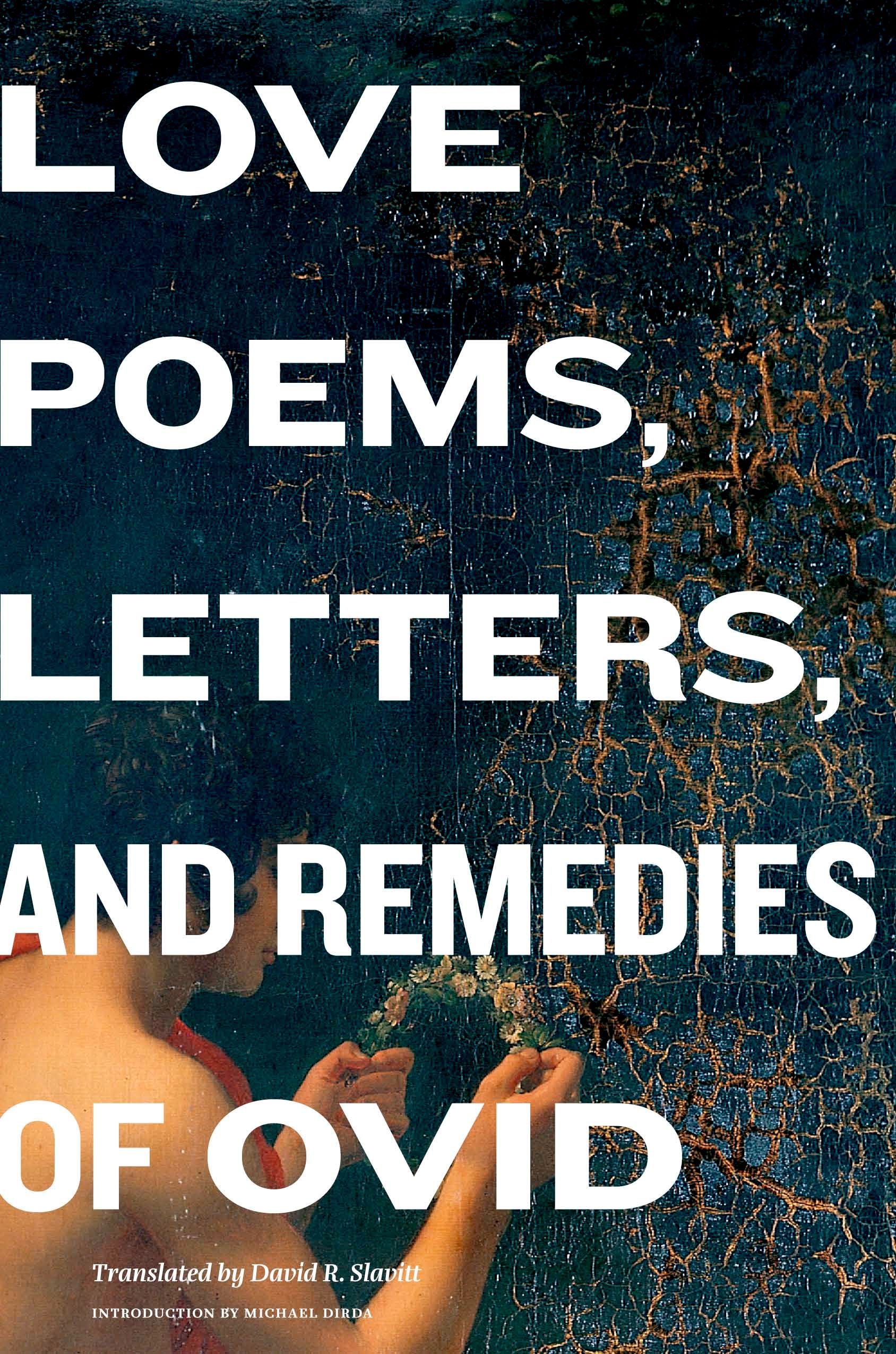
Love Poems, Letters, and Remedies of Ovid
Widely praised for his translations of Boethius and Ariosto, esteemed translator David R. Slavitt here returns to Ovid, once again bringing to the contemporary ear the spirited, idiomatic, audacious charms of this master poet. The love here described is of the anguished, ruinous kind, like a sickness, and Ovid prescribes cures.
eBook

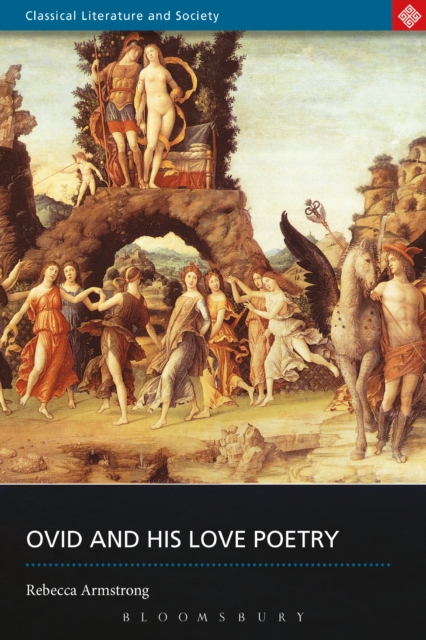
Ovid and His Love Poetry
Ovid devoted about half of his poetic career to the production of several collections of amatory verse, all composed in elegiac couplets. Indeed, his irrepressible interest in love, sex and elegiac poetry is one of the defining features of his entire output. Here Rebecca Armstrong offers a thematic examination of some important aspects of the Amores, Ars Amatoria and Remedia Amoris. Starting from an investigation of the narrator's self-creation and presentation of other characters within his amatory verse, she assesses the importance of mythical and contemporary reference, as well as the influence of the erotic on Ovid's later works. By looking at the Ars and Remedia alongside the Amores, the continuities and contradictions in the poet's elegiac outlook are revealed, and a complex picture is formed of the Ovidian world of love. Ovid's erotic works present the reader with a glimpse inside the minds of both poets and lovers, mediated through eyes which are frequently inclined to comedy and even cynicism, but always sharp, perceptive and above all fascinated by human behaviour.
eBook

P. Ovidius Naso, the Heroides
The Heroides, or Letters of Heroines, is a collection of twenty-one fictional letters composed by the famous Augustan poet Ovid (43 BC-AD 17/18). It is a widely read work of elegiac poetry which is of special interest to students of gender literature. The poems, which take the form of fifteen letters from heroines to their absent lovers and three pairs of letters to a lover with a reply, have frequently been edited and translated into English in both prose and verse. This volume presents a radically new text and translation of the whole collection. The text separates what we regard as the original core of the poem from what we take to be additional accretions to it. The translation is designed to facilitate an understanding of the original as an aid to interpretation. All students of Latin poetry are included in the intended readership.
eBook
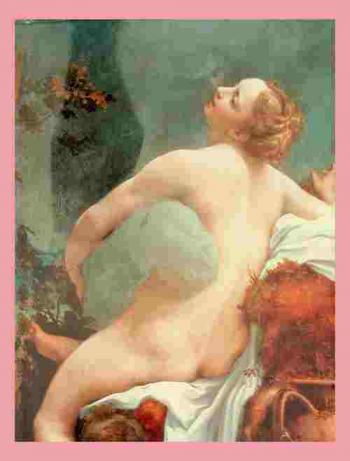

Ovid's Erotic Poems
The most sophisticated and daring poetic ironist of the early Roman Empire, Publius Ovidius Naso, is perhaps best known for his oft-imitatedMetamorphoses. But the Roman poet also wrote lively and lewd verse on the subjects of love, sex, marriage, and adultery-a playful parody of the earnest erotic poetry traditions established by his literary ancestors. TheAmores, Ovid's first completed book of poetry, explores the conventional mode of erotic elegy with some subversive and silly twists: the poetic narrator sets up a lyrical altar to an unattainable woman only to knock it down by poking fun at her imperfections.Ars Amatoriatakes the form of didactic verse in which a purportedly mature and experienced narrator instructs men and women alike on how to best play their hands at the long con of love.
Ovid's Erotic Poemsoffers a modern English translation of theAmoresandArs Amatoriathat retains the irreverent wit and verve of the original. Award-winning poet Len Krisak captures the music of Ovid's richly textured Latin meters through rhyming couplets that render the verse as playful and agile as it was meant to be. Sophisticated, satirical, and wildly self-referential,Ovid's Erotic Poemsis not just a wickedly funny send-up of romantic and sexual mores but also a sharp critique of literary technique and poetic convention.
eBook