
Catalogue Search | MBRL


Are you sure you want to remove the book from the shelf?

{{itemTitle}}
5
result(s) for
"Parasecoli, Fabio, author"
Sort by:

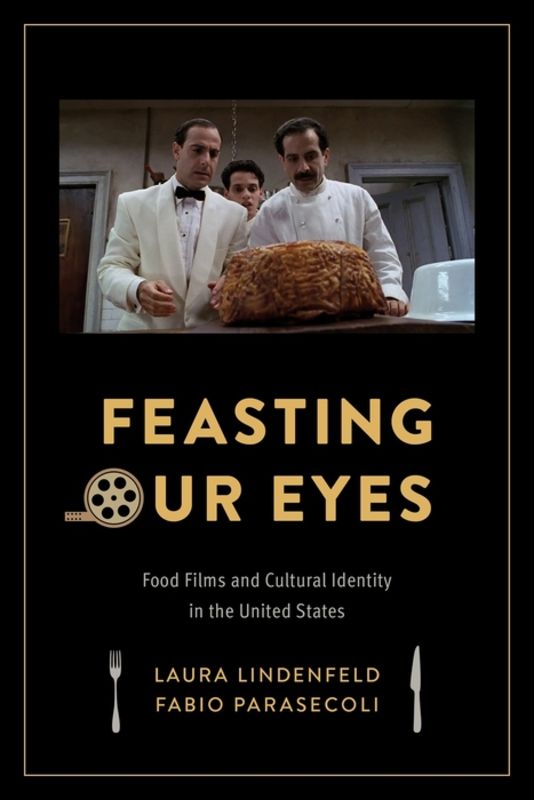
Feasting our eyes
Big Night(1996),Ratatouille(2007), andJulie and Julia(2009) are more than films about food-they serve a political purpose. In the kitchen, around the table, and in the dining room, these films use cooking and eating to explore such themes as ideological pluralism, ethnic and racial acceptance, gender equality, and class flexibility-but not as progressively as you might think.Feasting Our Eyestakes a second look at these and other modern American food films to emphasize their conventional approaches to nation, gender, race, sexuality, and social status. Devoured visually and emotionally, these films are particularly effective defenders of the status quo.
Feasting Our Eyeslooks at Hollywood films and independent cinema, documentaries and docufictions, from the 1990s to today and frankly assesses their commitment to racial diversity, tolerance, and liberal political ideas. Laura Lindenfeld and Fabio Parasecoli find women and people of color continue to be treated as objects of consumption even in these modern works and, despite their progressive veneer, American food films often mask a conservative politics that makes commercial success more likely. A major force in mainstream entertainment, American food films shape our sense of who belongs, who has a voice, and who has opportunities in American society. They facilitate the virtual consumption of traditional notions of identity and citizenship, reworking and reinforcing ingrained ideas of power.
eBook

Bite Me
Food is not only something we eat, it is something we use to define ourselves. Ingestion and incorporation are central to our connection with the world outside our bodies. Food's powerful social, economic, political and symbolic roles cannot be ignored - what we eat is a marker of power, cultural capital, class, ethnic and racial identity. Bite Me considers the ways in which popular culture reveals our relationship with food and our own bodies and how these have become an arena for political and ideological battles. Drawing on an extraordinary range of material - films, books, comics, songs, music videos, websites, slang, performances, advertising and mass-produced objects - Bite Me invites the reader to take a fresh look at today's products and practices to see how much food shapes our lives, perceptions and identities.
eBook
